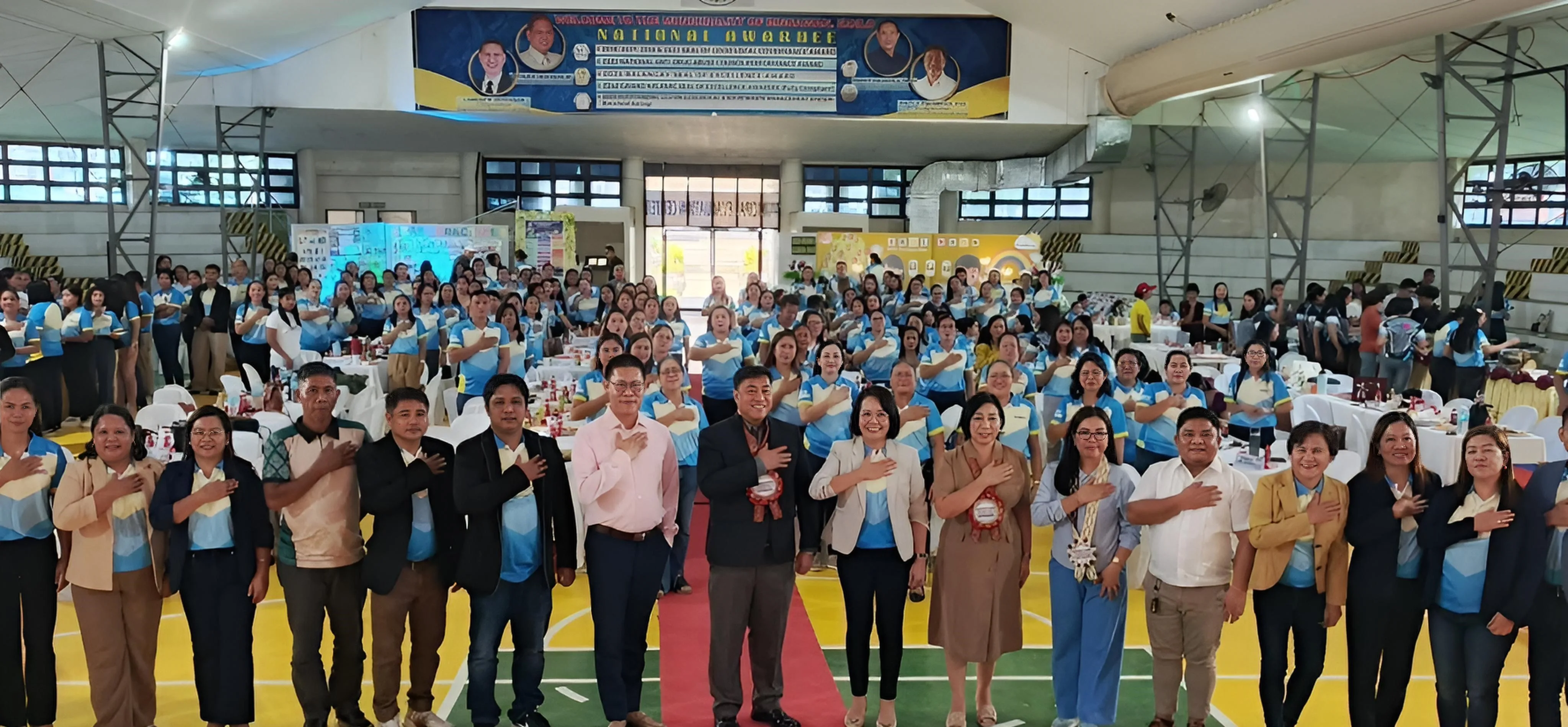
ILOILO — A local literacy program that began quietly in this municipality has now spread to 27 towns, and on July 4–5, 2026, the Bingawan Education Summit turned that momentum into a concrete roadmap. The gathering united provincial officials, educators, parents, and community leaders to lock in learning gains and target remaining gaps.
BES BASA: From Classroom Pilot to Provincial Movement
Provincial Administrator Raul Banias pointed to the Bulig Eskwela sa Pagbasa (BES BASA) initiative as proof that localized interventions work. The program started right here in Bingawan before catching the attention of Governor Arthur Defensor Jr., who folded it into the province’s wider Bulig Eskwela sang Probinsya framework.
This school year, BES BASA operates in 27 local government unit partners across Iloilo, a number that far exceeds early projections. Banias credited the expansion to rigorous teacher training, culturally relevant learning kits, and continuous progress monitoring that leaves no struggling reader behind.
Reading Proficiency Jumps from 30 to 90 Percent
Early data shared during the summit showed the program’s dramatic impact on Grade 3 learners. In pilot schools, reading proficiency rocketed from a precarious 30 percent to an outstanding 90 percent within a single academic year. Attendees greeted the figures with sustained applause.
The leap did not come from expensive technology but from methodical daily reading sessions and close mentorship. Teachers used assessment tools to identify specific gaps and then applied targeted exercises until each child gained fluency and comprehension. Banias called the results a powerful rebuttal to the narrative of irreversible learning poverty.
Legislators Pledge Budgets and Policy Muscle
Third District Board Members Jason Gonzales and Mark Palabrica attended the summit and committed the Sangguniang Panlalawigan to the roadmap. Gonzales said the provincial board would champion ordinances that strengthen school programs and empower classroom teachers with better resources and professional development.
Palabrica assured the community that Capitol funding would remain steady and predictable. He described the province’s role as an active partner rather than a distant funder, promising that no Bingawanon learner would slip through the cracks due to a lack of legislative support.
Five-Point Roadmap Targets Whole‑Child Development
The summit operated under the municipality’s “Bingawan sa Matatag at Masayang Pagtuturo at Pagkatuto” framework, which demands solutions tailored to local realities. Participants broke into working groups and emerged with a five‑point plan addressing foundational literacy, learner support services, classroom shortages, child protection and mental health, and school safety.
Each priority area carries concrete action steps with assigned timelines and responsible offices. The plan calls for immediate capital outlay to build additional classrooms, the deployment of guidance counselors to every school, and safety audits of all campus facilities before the year ends.
A Template for Regional Education Reform
Banias noted that Bingawan’s approach treats education as a shared accountability among mayors, councils, and communities rather than a sole mandate of the Department of Education. He urged other municipalities to adopt similar summits that produce locally owned blueprints instead of waiting for top‑down directives.
The roadmap is already generating inquiries from neighboring provinces seeking to replicate the BES BASA model. As the summit adjourned, organizers set a review checkpoint for December 2026 to measure early implementation progress and adjust strategies based on emerging data.