The Coastline Is Part of the Food Chain
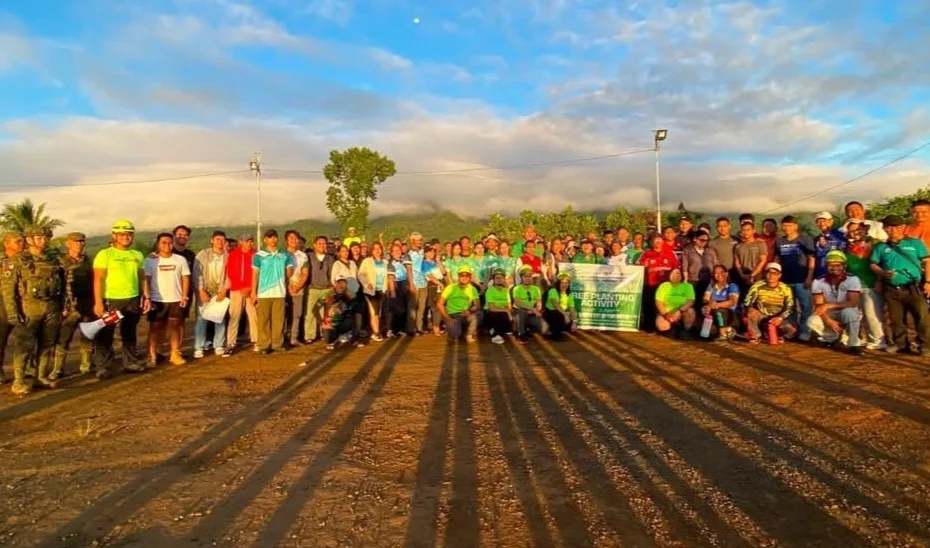
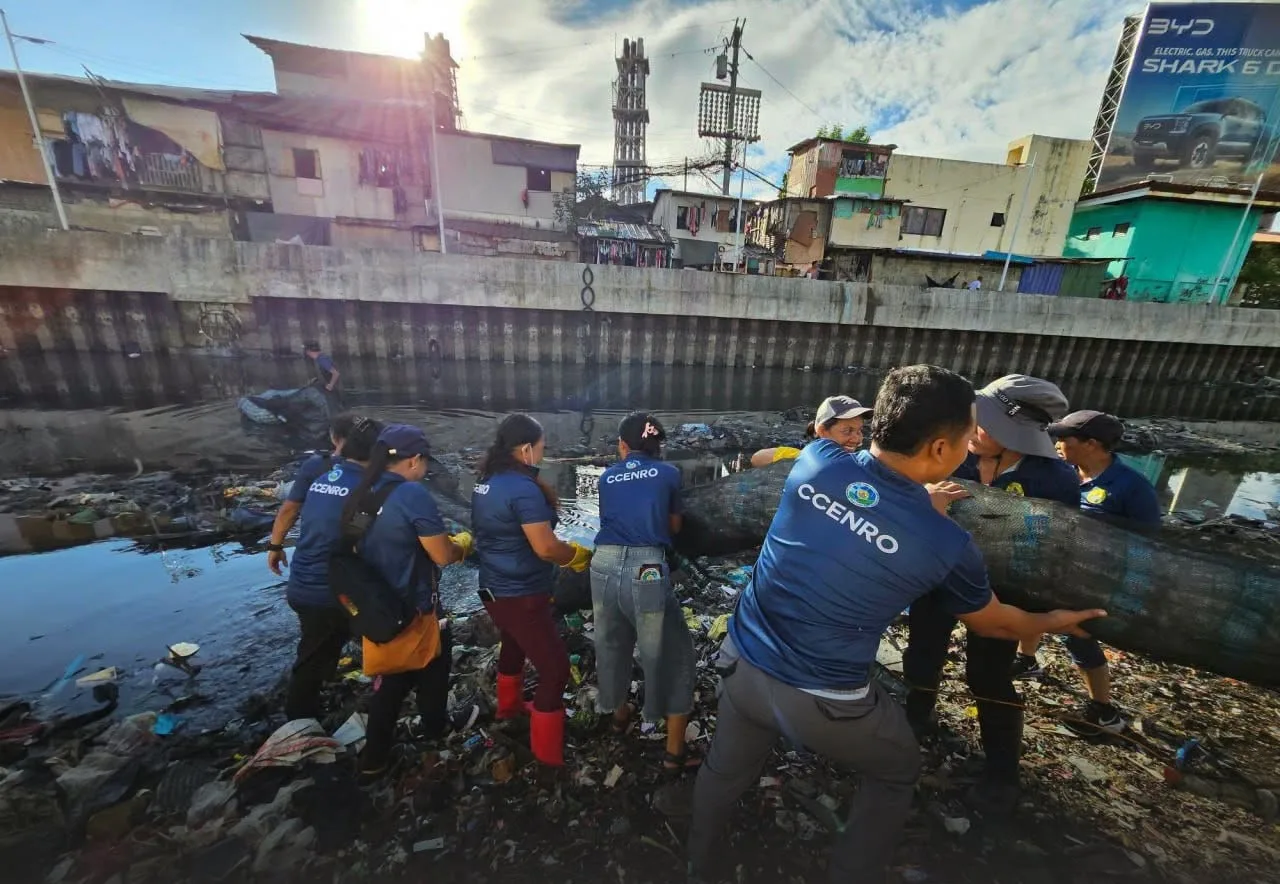
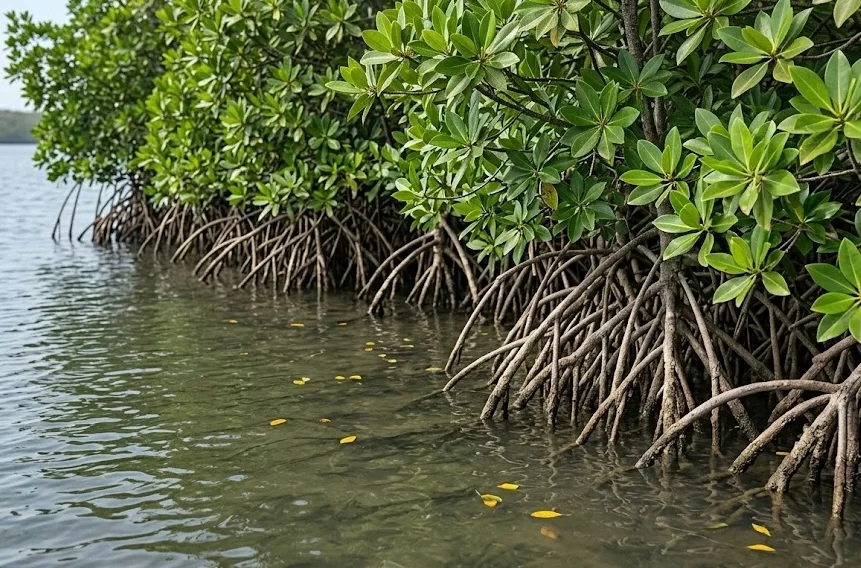
OZAMIZ CITY - A seafood economy begins far beyond fish markets. Coastal waters, mangrove forests, tidal flats, and estuaries provide habitats where many marine species feed, reproduce, and mature before entering local fisheries. These natural systems quietly perform essential ecological functions that are rarely noticed during an ordinary seafood meal. In June 2026, the DENR Community Environment and Natural Resources Office (CENRO) Ozamiz City organized a coastal cleanup and mangrove activity, highlighting the importance of protecting these environments. Such initiatives emphasize that maintaining healthy shorelines contributes to preserving the ecosystems upon which coastal communities and marine resources depend.
Small Community Actions With Lasting Importance
Environmental stewardship often happens through practical activities rather than large infrastructure projects. Removing plastic waste from beaches, caring for mangrove areas, and encouraging responsible coastal practices help reduce pressures on marine habitats over time. These efforts involve collaboration among government offices, volunteers, educational institutions, and community participants who share responsibility for protecting coastal resources. Although a single cleanup cannot transform an ecosystem overnight, repeated actions contribute to healthier shorelines that benefit both biodiversity and the communities connected to the sea. In many ways, consistency becomes one of the most valuable resources in coastal conservation.
Every Seafood Meal Has a Story Before It Reaches the Table
Whether enjoyed in a family kitchen or served in a local restaurant, seafood represents a chain of connections stretching from coastal ecosystems to consumers. Fisherfolk, seafood vendors, transport workers, market operators, and food establishments all depend, directly or indirectly, on healthy marine environments. Coastal conservation therefore becomes more than an environmental responsibility—it also supports the conditions that allow seafood traditions to continue. Visitors exploring Ozamiz City often remember the freshness of local seafood, yet that experience begins with shorelines, mangroves, and communities working quietly to care for the waters that sustain both livelihoods and local cuisine.