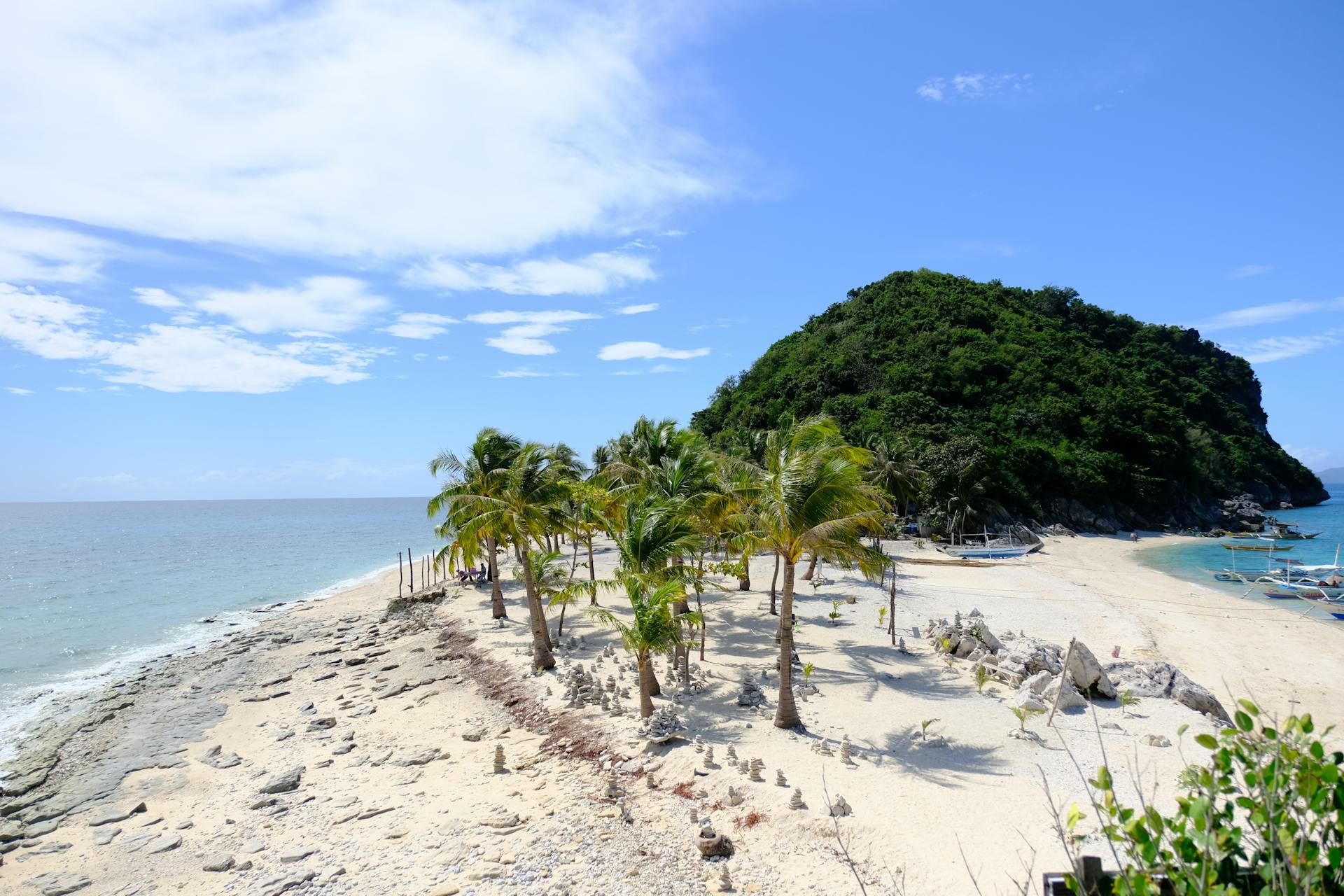
CARLES, ILOILO — Two hours north of Iloilo City, past the flat farmlands turning gold in the summer heat, a string of emerald islands is bobbing in the Visayan Sea with a kind of defiance. Islas de Gigantes is still a story whispered among backpackers and shutterbugs who know that the scallops are unlimited and the views unmistakable. In 2026, the secret is harder to keep. The province is wiring these remote island communities into a broader tourism circuit, and Carles, the sleepy coastal gateway, is about to see a lot more visitors. Visit now, while the rhythm is still an Ilonggo one.
Known to generations of fisherfolk simply as “Isla de Gigantes,” the archipelago draws its name from a folklore of giants buried in the island’s hills. Archaeological finds confirm that this area has been inhabited for centuries, long before the Spanish constructed watchtowers and lighthouses. The islands have a raw, Jurassic aesthetic that feels ancient and untouched, a landscape where limestone karsts, hidden lagoons, and white sandbars define the experience.
Carles Opens a Door: Ports, Training, and the New Iloilo Tourism Blueprint
Getting to Gigantes in 2026 now starts at a stronger gateway. The Iloilo Provincial Government, under Governor Arthur Defensor Jr.’s Executive Order No. 10, is building integrated tourism hubs at key ports, including Estancia, Carles, and Concepcion. These hubs will feature help desks, pasalubong centers, and food terminals serving fresh local dishes before visitors board their boats. Provincial Tourism Officer Aulynn Yue Sin has championed an approach where “tourists experience Iloilo not just through festivals but through food, culture, local life, and eco-tourism.”
The experience once you step off the boat is also getting sharper. In May 2026, local fisherfolk completed a packaging and labeling seminar run by the Iloilo Provincial Science and Technology Center, in partnership with the University of the Philippines Visayas and USAID Fish Right. They learned FDA-compliant packaging for scallop nuggets, scallop balls, and scallop lumpia—products that now carry proper nutritional analysis and labeling through the DOST VI Regional Standards and Testing Laboratory. The results of this training find their way into the lunch spread served by your bangkero, who now operates with a better understanding of food safety and market reach.
Tangke Lagoon and the Selfie Island Crown
Most island-hopping tours departing Bancal Port in Carles follow a tried-and-tested circuit: Cabugao Gamay Island, Tangke Lagoon, Antonia Beach, Bantigue Sandbar, and, increasingly, a stop at Mini Boracay or Palupandan Island. Pangalan pa lang, panalo na—Cabugao Gamay has been crowned the “selfie island” of Gigantes. A short, rocky climb leads to a 360-degree panoramic view of a white sandbar that stretches between two shades of blue. The early-morning light here is the photographer’s currency. Aim to arrive before 9:00 a.m. to beat the crowds and catch the sandbar still pristine.
Tangke Lagoon, a saltwater pool carved into limestone cliffs on Gigantes Sur, is accessible only during low tide and is known locally as the “Enchanted Lagoon.” Its emerald-green waters are calm and clear, perfect for swimming and cliff-jumping beneath the dramatic rock backdrop. The lagoon can be skipped if the tide is wrong or the weather turns, so flexibility is key. Antonia Beach offers powdery white sand and shallow snorkeling waters, while Bantigue Sandbar—which appears like a strip of paradise only at low tide—is a favorite spot for photographers capturing the contrast of sand against sea.
A note on tours: joiner packages off Agoda can dip as low as ₱1,018 per person with discounts, while private tours that add Sicogon Island, the Pawikan Cave, or the Cabugao Dako sandbar can be booked through local operators like Gigantes Island Tours and Services. The standard day-tour boat ride is about an hour from Bancal Port, and the full loop takes you through the highlights of Gigantes Norte and Gigantes Sur, the two largest inhabited islands in the ten-islet chain.
Beyond the Sandbar: Where You Sleep and What You Eat
Accommodation in Gigantes has evolved beyond basic. Solina Beach & Nature Resort, a premium Carles mainland property, offers a ten-to-fifteen-minute drive to Bancal Port. For overnight stays on the islands, most established lodgings cluster on Gigantes Norte Island, catering to budget-conscious travelers. Tent-style setups are increasingly popular on Antonia Beach and Cabugao Gamay Island. For those who want a middle ground, Huni Resort on Sicogon Island provides overnight rooms, a sunrise hike to Mt. Opao, and a more relaxed visit to Buaya Beach.
The lunch, universally included in tour packages, has become legendary. Scallops—fresh, grilled, and unlimited—are the main attraction, often accompanied by six-dish spreads of grilled fish, chicken, vegetables, and rice served directly on the beach. The scallop value chain now extends far beyond the shore; the UPV College of Fisheries and Ocean Sciences has helped develop cost-reduced, longer-shelf-life scallop products that the local cooperative is now marketing nationwide through DOST support.
When to Go and What to Bring
The optimal window runs from December to May, with March through May offering the hottest temperatures but also the calmest seas and clearest skies. Holy Week brings peak crowds, so book well in advance if your visit coincides with this period. The rainy season from June to November can mean rougher waters, but it can also deliver dramatic skies and fewer visitors for those willing to chance the forecasts. Bring reef-safe sunscreen, a dry bag for electronics, cash (ATMs are scarce), and a willingness to let the weather dictate the itinerary.
The best time to go is now. As infrastructure improvements roll out, the raw, honest simplicity of Gigantes will gradually gain more polish. For visitors in 2026, the balance remains perfect: enough structure to arrive comfortably, and enough wildness to feel like you’ve truly discovered something.