ILOILO CITY — The provincial government has completed a series of coordination meetings with top marine research and conservation groups to roll out Executive Order No. 72, Series of 2026. The new program is set to protect Iloilo’s marine biodiversity while creating a stronger foundation for eco‑tourism centered on dolphins, turtles, and other marine wildlife.
A Shield for Marine Wildlife
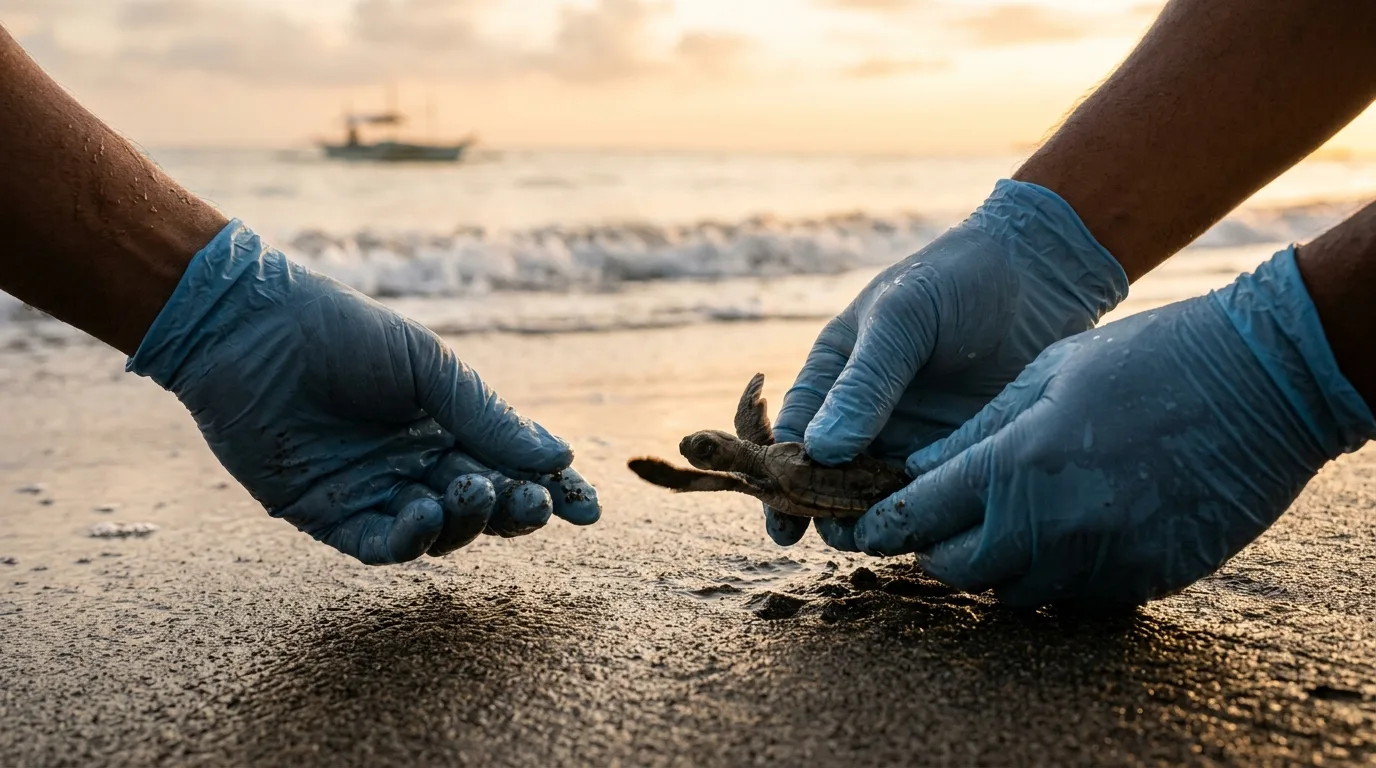
The executive order establishes a dedicated Provincial Task Force, a Scientific Advisory Panel, and clear protocols for responding to stranded or injured marine animals. Governor Arthur Defensor Jr. signed the directive on June 29, 2026, following assessments by the U.S. National Marine Fisheries Service. The move directly addresses concerns over accidental dolphin bycatch in local crab fisheries.
For tourists, this means better‑protected waters and healthier populations of the charismatic Irrawaddy dolphin, a major draw in the Iloilo‑Guimaras Strait. The program’s monitoring systems will help ensure that dolphin‑watching tours and other marine activities remain sustainable. A well‑managed marine environment enhances every visitor’s chance of a memorable wildlife encounter.
Science‑Driven Conservation
The province partnered with a formidable coalition of experts. The Earth Island Institute, Marine Wildlife Watch–Philippines, and the Southeast Asian Fisheries Development Center will provide technical guidance. Academic institutions, including the University of the Philippines Visayas, Northern Iloilo State University, and Iloilo State University of Fisheries Science and Technology, will support research and data collection.
These partners will help train local responders and deploy observers on fishing vessels to monitor bycatch. A Marine Wildlife Information System will serve as a central database for scientific data, incident reports, and spatial tracking. This rigorous scientific backbone ensures that conservation efforts are effective and that eco‑tourism operators can confidently promote ethical wildlife viewing.
Economic Benefits for Coastal Communities
The program covers all 19 coastal municipalities of Iloilo, from San Joaquin to Carles. These communities rely heavily on marine resources, and responsible tourism offers a sustainable alternative to overfishing. By reducing accidental dolphin deaths and protecting coastal habitats, the province safeguards the very attractions that draw visitors.
Local fisherfolk will be trained to participate in monitoring and response activities, creating new livelihood opportunities. Tour guides and boat operators can also benefit from educational programs that elevate the quality of their services. When communities see direct economic returns from conservation, stewardship becomes a shared value.
A Model for Eco‑Tourism
The establishment of a Marine Wildlife Incident Command System means that strandings and rescues will be handled swiftly and professionally. This capability enhances Iloilo’s image as a responsible and forward‑thinking destination. Travelers increasingly seek places that demonstrate genuine care for the environment, and Iloilo’s new program sends a clear message.
The initiative aligns with the province’s “MoRProGRes Iloilo” agenda, which emphasizes resilient and progressive development. By integrating science, community participation, and tourism goals, Iloilo sets a benchmark for other coastal provinces. The next step is the full activation of the task force, with field operations expected to ramp up as the partner institutions finalize their work plans.