A Short Route With a Big Opportunity
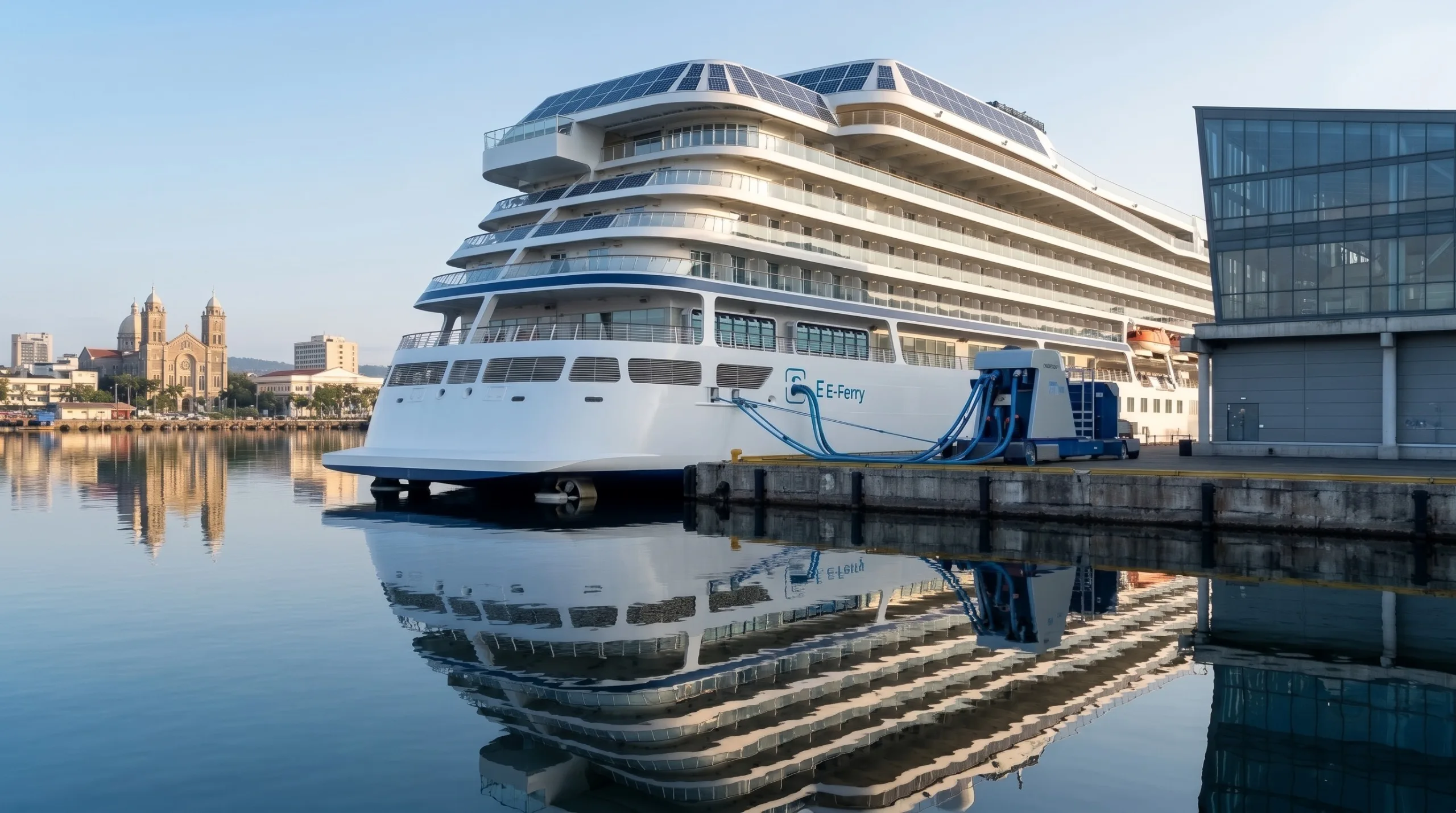
BACOLOD - The Iloilo-Bacolod route is being considered for fully electric ferries because of its relatively shorter distance and passenger demand. The proposed pilot is part of a broader effort to explore cleaner vessel technology for Philippine domestic transportation. Electric ferries could reduce reliance on marine fuel while lowering carbon emissions and potentially reducing some operating expenses. For passengers, the shift could eventually mean a different kind of ferry experience—one that is quieter while supporting a cleaner transportation system across the region.
The Price of Going Electric
Cleaner technology comes with a significant investment. A World Bank study cited in the report found that an electric ferry could cost around $10 million more upfront than a conventional vessel. However, the same analysis found that long-term operating economics could still make the investment attractive, with potential returns of more than eight percent. Conventional ferries could spend an estimated $25 million to $50 million on fuel over 15 years, depending on oil prices. This makes the transition less about simply buying a new vessel and more about considering what the ferry will cost to operate throughout its working life.
Bacolod Could Be Part of a Bigger Maritime Shift
The proposed electric ferry pilot could also create opportunities beyond the vessels themselves. Authorities are looking at charging infrastructure, financing, possible retrofitting of existing ferries, and opportunities for Philippine shipyards to participate in future vessel development. A stakeholder consultation in Iloilo is scheduled for November 4 to discuss the proposed Interisland Ferry Decarbonization Pilot Project and its requirements. If the concept moves forward, the Iloilo-Bacolod crossing could become an important testing ground for cleaner maritime transportation—connecting communities not only through the sea, but potentially through a more sustainable way of traveling it.