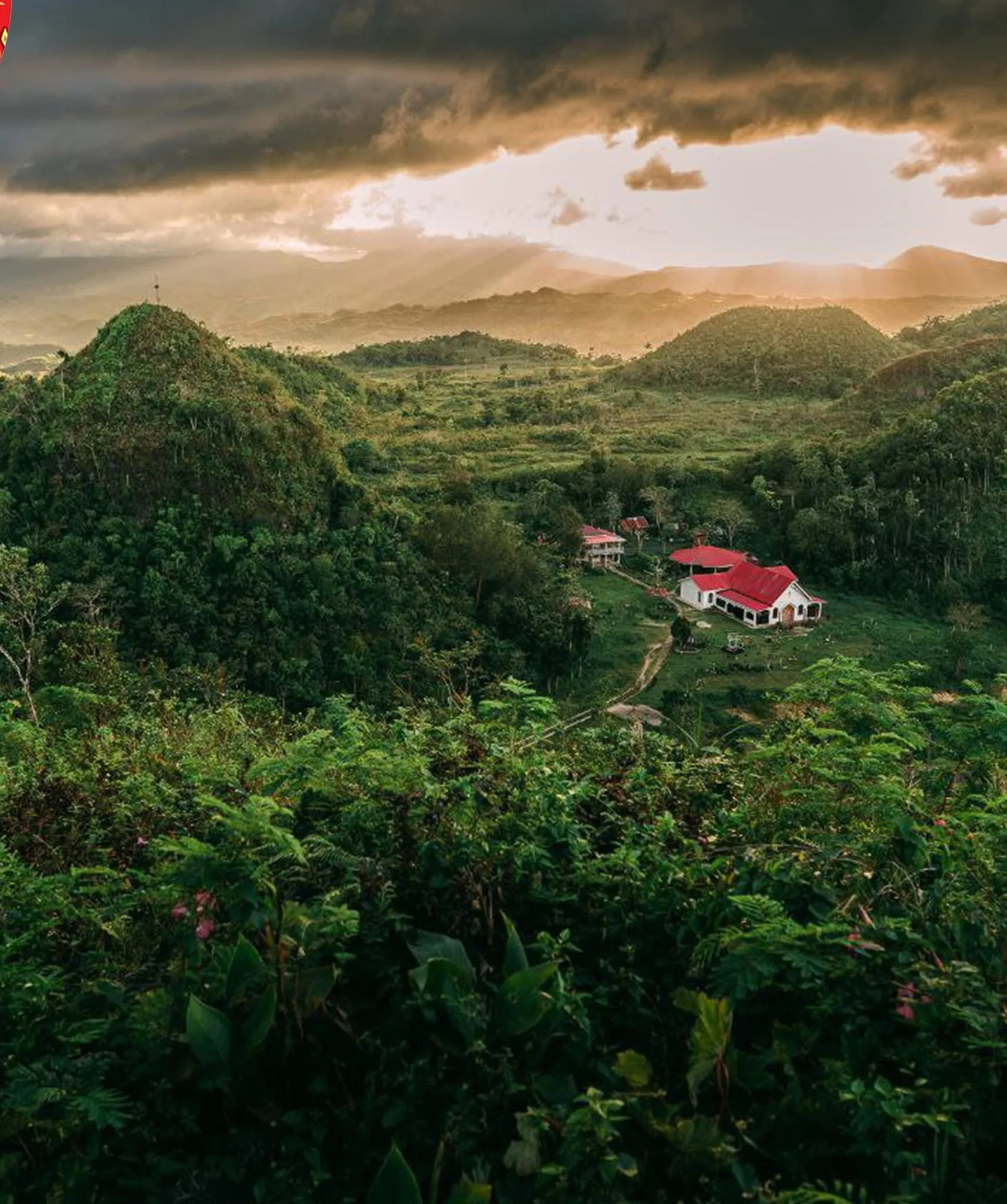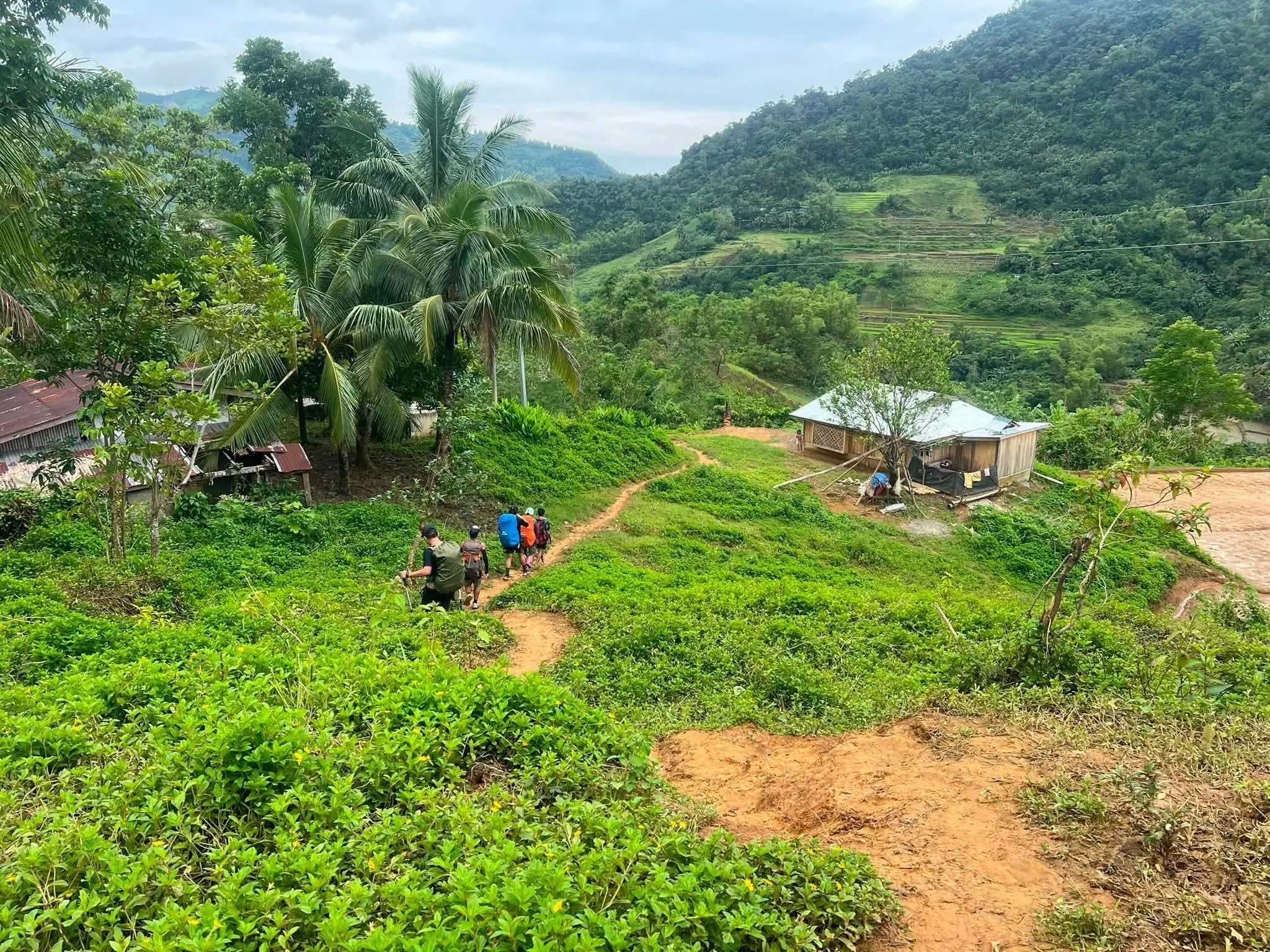
MAASIN, Iloilo — A four‑day expedition through the highlands of Maasin and Janiuay has uncovered a pristine landscape of mist‑covered peaks, hidden waterfalls, and off‑grid villages, signaling a new frontier for responsible eco‑tourism in Iloilo. The journey, undertaken by outdoor group TOP Team Iloilo from July 28 to 31, 2026, offers a glimpse of adventures awaiting those who seek nature beyond the usual tourist trails.
Into the Heart of Iloilo’s Wilderness
The team pushed through dense vegetation, navigated steep ridges, and trudged across thick mud where established trails were scarce. Fog frequently blanketed the higher elevations, reducing visibility to just a few meters. These conditions tested the endurance of every participant, yet they also preserved an ecosystem largely untouched by mass tourism.
Local guides from Maasin led the way, their knowledge of the terrain proving invaluable. The expedition was supported by the municipal government, the Philippine National Police, and the 12th Infantry Battalion of the Philippine Army. Their presence ensured both safety and strong community cooperation.
Peaks, Waterfalls, and Ancient Forests
At the heart of the trek stood two majestic mountains. Mt. Puting Bato rises to 1,150 meters above sea level, its rocky summit offering sweeping views of the central Panay range. Further along the route, Mt. Payung‑Payungan reaches 1,300 meters, challenging climbers with sudden fog and rugged terrain.
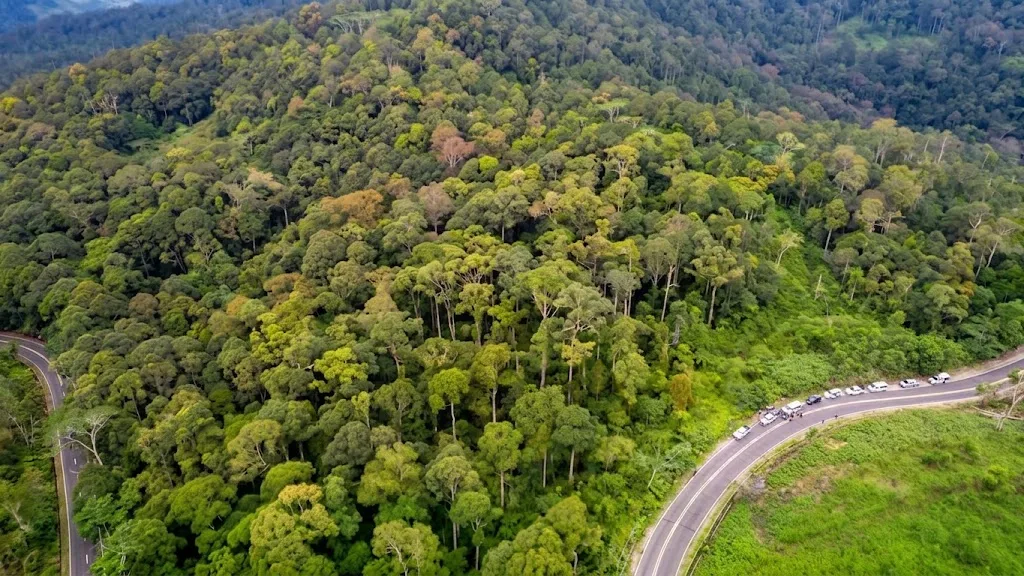
Between the peaks, the team discovered waterfalls cascading through thick forest, their waters feeding the Maasin Watershed—a vital source of fresh water for the province. The forests shelter deer and wild boar, signs of an ecosystem that remains healthy and intact. For nature lovers, these sights offer a rare experience far removed from crowded beach destinations.
A Glimpse of Upland Life
The expedition also revealed a human story. High in the mountains, small communities live without electricity, relying on kerosene lamps and bamboo torches to light their homes at night. Their simple way of life, tied closely to the forest, left a deep impression on the trekkers.
For the TOP Team, reaching the summits was only part of the purpose. Understanding how these upland families coexist with nature added a deeper meaning to the journey. Any future tourism in the area must respect and involve these communities as stewards of the landscape.
A Vision for a Multi‑Town Trekking Corridor
The expedition has sparked the idea of a connected trekking route that could link five municipalities: Alimodian, Maasin, Janiuay, Lambunao, and Calinog. Such a corridor would allow hikers to traverse Iloilo’s highlands over multiple days, with community‑based homestays and local guides providing income for mountain residents.
The proposal remains in its early stages, and officials stress that the trail is not yet open to the general public. Further assessments are needed to ensure safety, establish protocols, and protect the environment before commercial tours can begin.
Protecting a Fragile Paradise
The expedition team cautioned that the area’s untouched beauty is also its greatest vulnerability. They reminded future visitors to follow Leave‑No‑Trace principles and to seek permission from local authorities before attempting any climb. The discovery of poisonous plants like bolan‑bolan, which causes severe skin irritation, further underscores the need for proper guidance.
With careful planning, Iloilo’s mountains could become a model for sustainable adventure tourism in Western Visayas. The Maasin expedition has opened the door; now it is up to the community and the government to walk through it together.