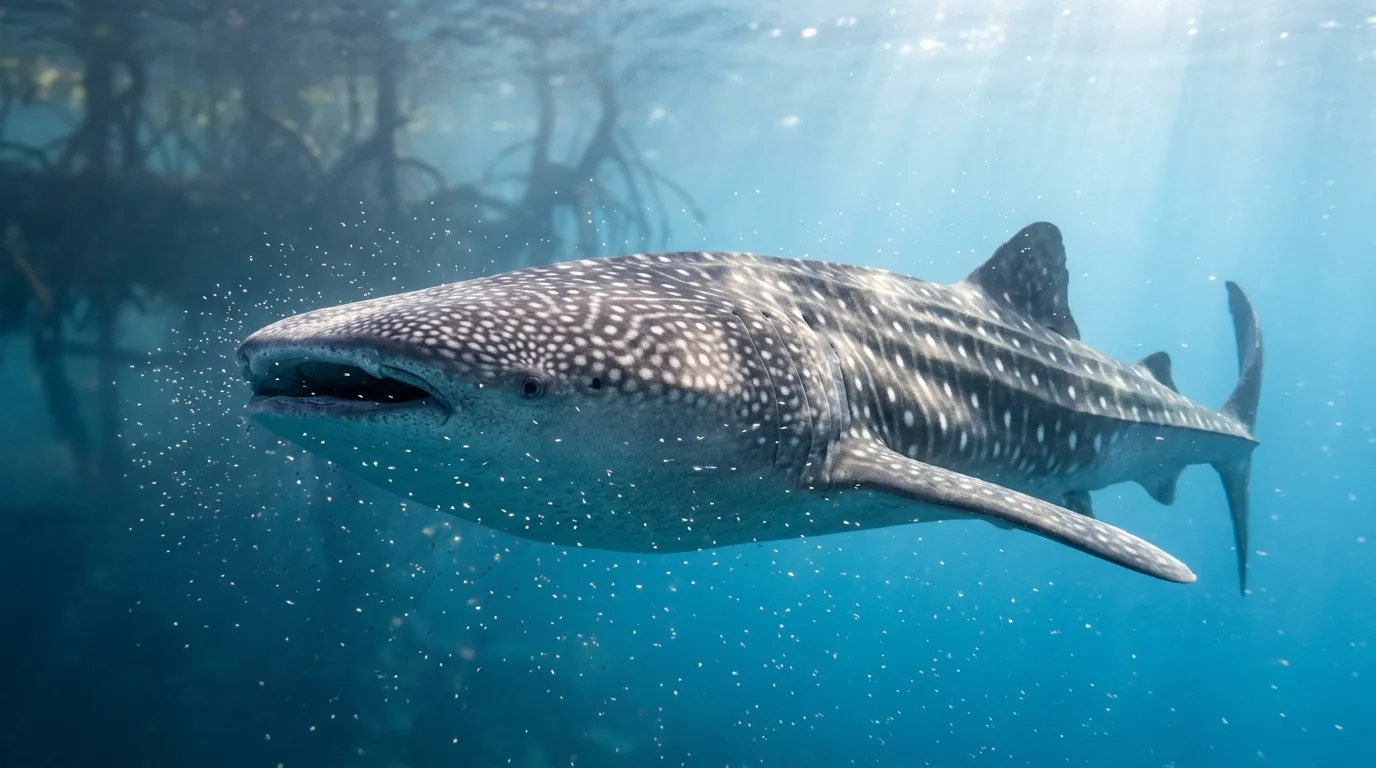
AJUY, Iloilo — The quiet coastal waters off Barangay Nasidman and Barangay Punta Buri have welcomed a magnificent visitor: a butanding, the world’s largest fish. The whale shark sighting has electrified the community and signaled that Ajuy’s marine environment is thriving, opening a new chapter for sustainable tourism.
A Rare and Reassuring Presence
Whale sharks are filter feeders that follow dense patches of plankton across the ocean. Their arrival in Ajuy’s municipal waters confirms what scientists call a healthy, productive ecosystem. Clear waters and abundant marine life create the perfect feeding ground for these gentle giants.
For local fisherfolk, the sighting is both a thrill and a validation. Years of practicing sustainable fishing and protecting coastal habitats are showing tangible results. The butanding now serves as a living emblem of the community’s stewardship.
Eco‑Tourism Built on Respect
The appearance of a whale shark opens a door to responsible wildlife tourism. Ajuy has the opportunity to build an experience rooted in ethical principles, where encounters happen in the wild without baiting or feeding. This model prioritizes the animal’s welfare while giving visitors an authentic, unforgettable moment.
Community members can be trained as spotters, guides, and marine wardens, transforming former pressures on the sea into protective livelihoods. Local homestays, eateries, and transport services all stand to benefit from the influx of eco‑conscious travelers. The economic ripple effect can lift entire barangays while safeguarding the very resource that attracts visitors.
Keeping the Giant Safe
With tourism comes responsibility. Clear guidelines must be established to protect the whale shark. Boats should keep a respectful distance, swimmers must avoid touching the animal, and flash photography should be prohibited to prevent startling the creature. Propeller guards on motorized bancas are a simple but effective safety measure.
Designating protected zones and limiting daily visitor numbers will ensure that the butanding continues to return. The municipality, in partnership with environmental agencies, can enforce these rules while educating both locals and tourists about the importance of marine conservation.
A Shared Treasure for Generations
The whale shark is more than a tourist attraction; it is a reminder that the health of the ocean mirrors the health of the community. Every mangrove replanted, every plastic bottle kept out of the sea, and every fishing net used responsibly contributes to keeping Ajuy’s waters inviting for these majestic creatures.
As word of the sighting spreads, Ajuy finds itself at a promising crossroads. With careful planning and a steadfast commitment to sustainability, this coastal town can become a beacon for how eco‑tourism uplifts both people and nature. The gentle giant has arrived, and with it, a wave of hope.