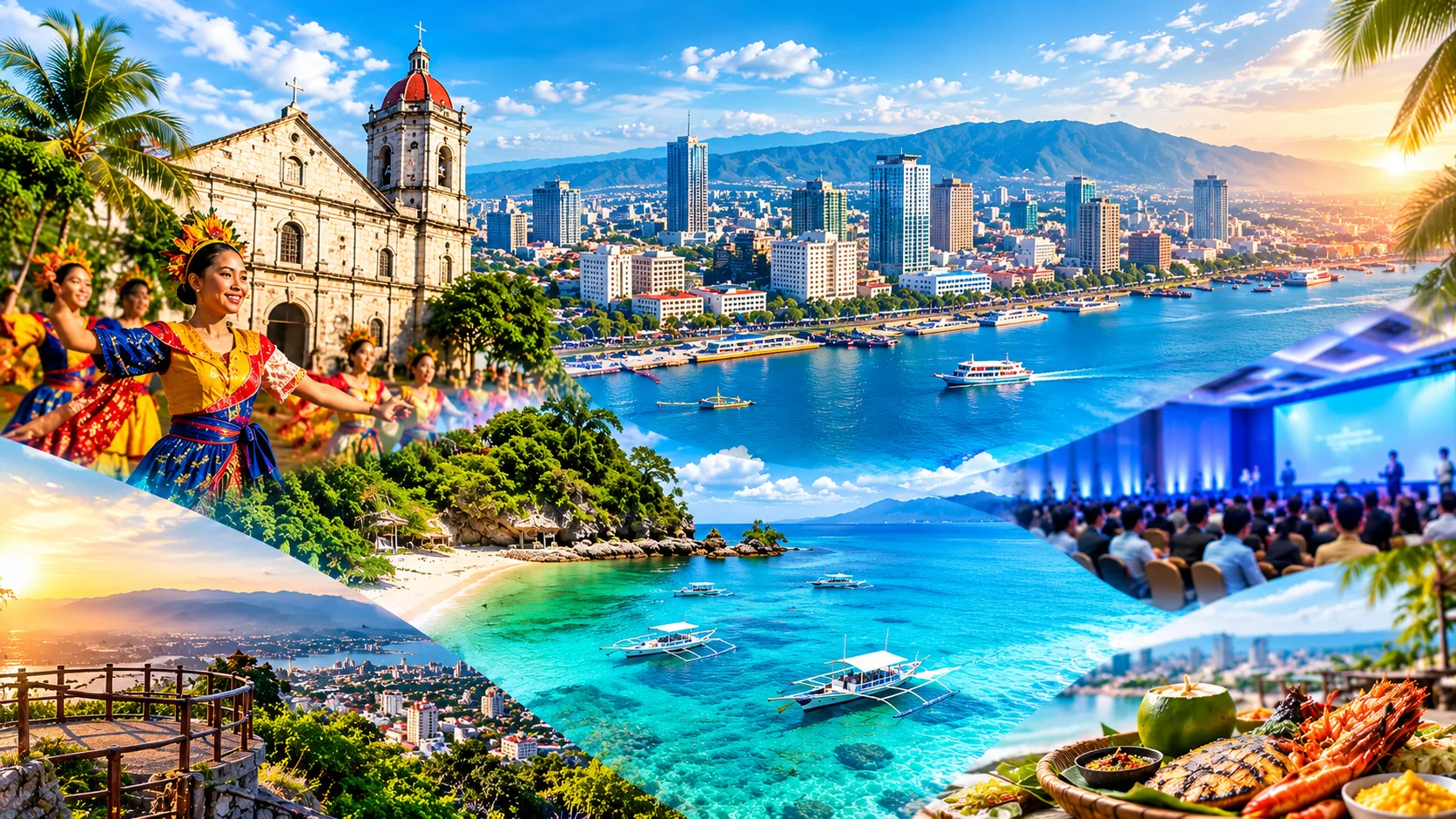
ILOILO CITY — On World Architecture Day, celebrated globally on the first Monday of October, Iloilo stands as a premier model of architectural evolution. From fortress-like colonial churches to award-winning green civic planning, the city showcases how heritage and modern urbanism can thrive together.
The city's built environment tells a story of adaptation and resilience. Spanish colonial
architects modified European styles to withstand tropical typhoons and earthquakes. American-era builders introduced commercial elegance. Modern planners now prioritize sustainability and public space.
Sacred Foundations: Colonial Fortresses and Baroque Innovation
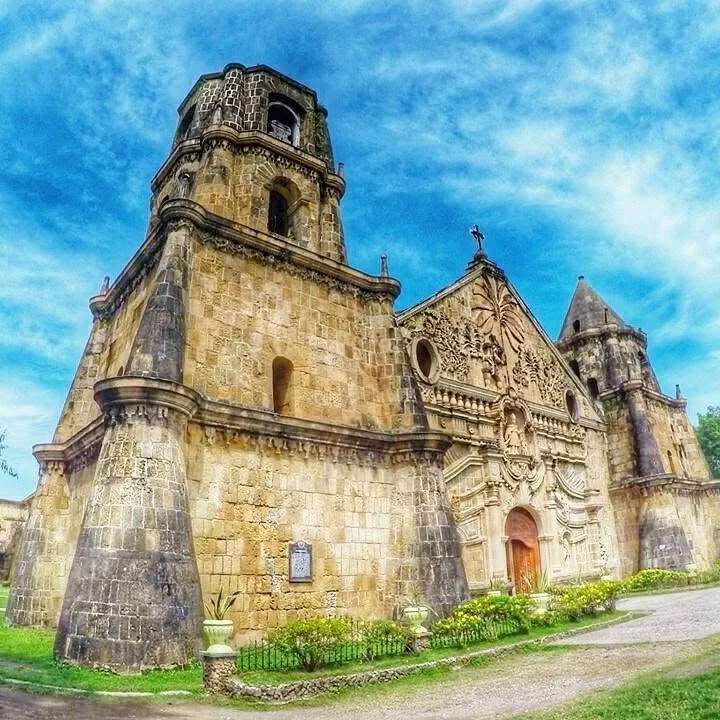
Iloilo's colonial-era churches adapted European styles to tropical realities. The Miagao Church, a UNESCO World Heritage Site, exemplifies Fortress Baroque engineering with thick sandstone walls and a native flora relief. Its massive belfries once served as protective garrisons against sea raids.
Molo Church, built in 1831 from white coral stone and egg-white mortar, is famous for its Neo-Gothic spires and 16 female saint statues. Known as the Women's Church, it offers a rare aesthetic focus. Jaro Cathedral features a detached belfry across the plaza, ensuring earthquake safety.
Commercial Elegance: Calle Real and Adaptive Reuse
Calle Real, Iloilo's historic downtown axis, represents one of the country's most complete historic streetscapes. Its shophouses exhibit Art Deco, Neoclassical, and Beaux-Arts styles with shaded arcades and capiz shell windows. Restoration and utility undergrounding rejuvenated the district.
Historic edifices like the Eusebio Villanueva Building and S.N. Picornell Building now house modern retail outlets. This adaptive reuse drives economic vitality while safeguarding architectural identity. The street remains a vibrant pedestrian corridor.
Residential Grandeur: The Sugar Baron Mansions
The sugar trade boom spawned aristocratic casonas in Jaro and Molo. Nelly Garden, built in 1928, showcases Beaux-Arts symmetry with Corinthian porticos and wraparound verandas designed for cross-ventilation. Its expansive gardens reflect tropical luxury.
Lizares Mansion, designed in 1939 by Andres Luna de San Pedro, blends Spanish-American Revival architecture with intricate hardwood interiors. The Molo Mansion, saved from decay, now serves as a public cultural retail center. These residences exemplify heritage-driven adaptive reuse.
Modern Sustainable Urbanism: Designing for the Future
The Iloilo River Esplanade transformed a polluted riverbank into a linear park spanning over nine kilometers. Conceptualized by Paulo Alcazaren, it features permeable paving, bike lanes, jogging paths, and rehabilitated mangroves. The Esplanade promotes non-motorized mobility and flood control.
The Iloilo Convention Center, designed by WV Coscolluela & Associates, draws inspiration from Paraw Regatta sails and Dinagyang movements. It integrates energy-efficient glass, solar shading, and flexible assembly halls. The ICON symbolizes contemporary green design.
Building a Resilient Tomorrow
World Architecture Day in Iloilo reminds us that great architecture extends beyond individual buildings. By honoring centuries-old craftsmanship while investing in eco-friendly public spaces, Iloilo offers a blueprint for sustainable growth.
As cities worldwide seek to balance modernization with historical identity, Iloilo proves that deliberate urban stewardship and thoughtful adaptive reuse inspire future generations. The city's built heritage continues to shape a resilient community.