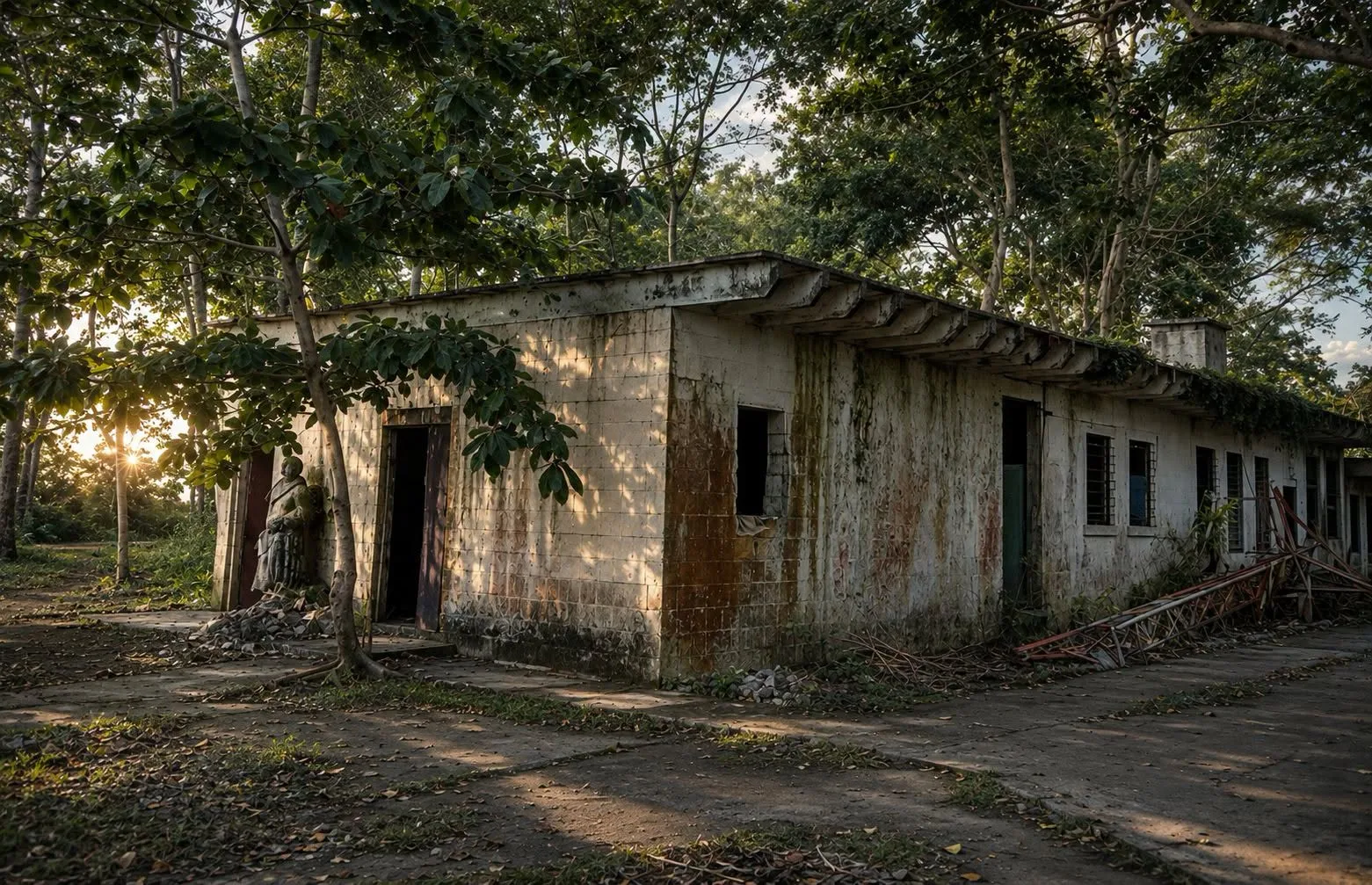
RIZAL, Palawan — Beyond Palawan's famous beaches lies a remarkable historical treasure in the municipality of Rizal. The LORAN Site at Tarumpitao Point stands as a tangible link between ancient indigenous communities and America's Cold War maritime history. Today, it is poised to share its untold stories with the world.
Whispers of the Past
Long before the arrival of foreign forces, the landscape of Tarumpitao Point was home to early indigenous communities. The Palaw'an and Tau't Bato peoples shaped the coastal area, living in harmony with the land and sea. Their presence laid the foundation for a cultural heritage that predates the modern era.
The site's history took a dramatic turn during the final months of World War II. U.S. forces landed on June 22, 1945, with local residents warmly assisting them in clearing land and setting up camp. This collaboration marked the beginning of a new chapter for the area, blending local life with American military presence.
When Technology Came to the Jungle
The U.S. Coast Guard formally established a LORAN station, an advanced radio navigation system that helped ships and aircraft determine their locations across vast ocean distances. The facility became a crucial node in the Pacific chain, guiding vessels through the West Philippine Sea. What began as tents evolved into a compound with Quonset huts, radio towers, and a power plant.
Life at the station was an exercise in extreme logistics. Supplies and personnel arrived via Grumman Albatross amphibious planes that landed on a notorious 3,000-foot dirt airstrip carved through dense jungle. Pilots braved a runway that ended abruptly at a steep hill, making every landing a test of skill and nerve.
A Partnership Remembered
The relationship between the Americans and the local community was one of mutual support. Locals provided vital intelligence, weather reports, and defense assistance. In one famous story, base personnel deterred approaching sea pirates by mounting a dummy machine gun barrel atop the water tower, a tale that highlights the ingenuity born from this unique partnership.
In April 1971, the U.S. Coast Guard decommissioned the station and transferred full ownership to the Philippine Government. The site then fell quiet, its buildings slowly reclaimed by the jungle. Yet, the memory of the technology and the community who served it has not faded.
An Invitation to Explore
The Municipal Tourism Office has begun documenting the rich stories associated with the LORAN site. They plan to share these narratives, transforming the location into a destination for heritage and eco-cultural tourism. This initiative seeks to honor both the indigenous roots and the American-era infrastructure that define Rizal's layered history.
For travelers seeking something beyond the usual tourist trail, the LORAN site offers a journey through time. It is a place where ancient traditions and modern history converge in a lush jungle setting. The site promises to be a compelling stop for those curious about Palawan's diverse and often-overlooked past.