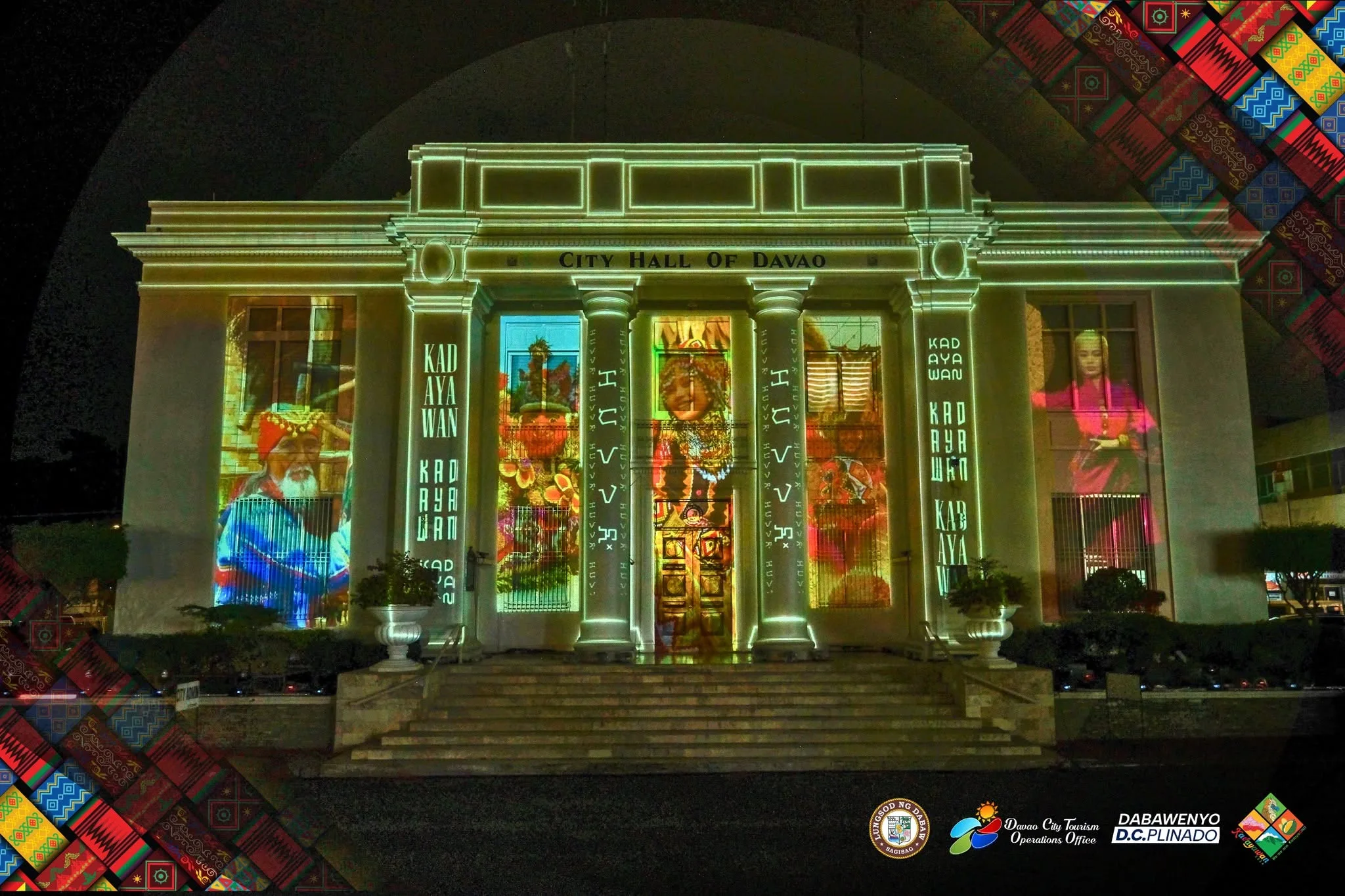
DAVAO — As dusk settles over the city, the City Hall of Davao transforms into a breathtaking canvas of light and story. This year's Kadayawan projection mapping show is more than a visual feast; it is a vibrant celebration of the city's abundance and the spirit of its people.
A Story of Abundance on the City's Facade
The projection show, which began on August 7 and runs until August 31, brings the facade of the city's seat of government to life every evening starting at 6 p.m. It is a nightly spectacle that draws crowds of locals and tourists alike. The visuals are a colorful tribute to the icons that define Davao.
Willenito P. Tormis Jr., Head of the City Tourism Operations Office, explained the core concept behind the dazzling display. He said the show focuses on the "Heart of Kadayawan," which is the people themselves. The celebration is a way of giving back to the Dabawenyos who have shaped the festival into what it is today. The show is a tribute to their strength, spirit, and contributions.
Celebrating Icons and Landmarks
The projection creatively highlights Davao's most recognizable symbols. Viewers are treated to images of the Waling-Waling orchid, the mighty Durian, majestic Mt. Apo, and the regal Philippine Eagle. These are joined by a colorful parade of Kadayawan fruits, including Mangosteen, Cacao, Pomelo, Lanzones, Rambutan, and Marang.
Beyond nature's bounty, the show also spotlights beloved landmarks. The San Pedro Cathedral, People's Park, Ramon Magsaysay Park, and the Davao Chinatown make their appearance on the building's walls. Modern infrastructure like the Bucana Bridge and Davao Coastal Road are also featured, showcasing the city's progress alongside its natural heritage.
Paying Tribute to Davao's Tribes
A profound and important element of the show is its tribute to the city's 11 ethnolinguistic groups. The Ata, Bagobo-Klata, Bagobo-Tagabawa, Matigsalug, and Obu-Manuvu are recognized. The Iranun, Kagan, Maguindanaon, Maranao, Sama, and Tausug communities are also honored, with labels identifying each tribe. This acknowledgment reinforces the festival's theme of unity in diversity.
This visual recognition serves as an educational tool, teaching audiences about the rich cultural tapestry of the region. It ensures that the contributions of these communities are seen and celebrated. The projection acts as a powerful reminder of the diverse roots that nourish the city.
A Spectator's Delight
The show has garnered praise from those who have gathered to watch. Sycamore Desen, a spectator, lauded the smooth synchronization between the narration, rhythmic beats, and lighting effects. Desen noted that the clear voice-over and well-labeled visuals made the content engaging and easy to understand.
Another viewer, Britney Paula Mindao, said the show succeeded in both entertaining and educating audiences about Davao's culture. She encouraged everyone to join the Kadayawan festival and visit City Hall to witness the projection mapping. For Mindao, the show is a key highlight, offering a fun way to learn about the city.
Experience the Heart of Kadayawan
The projection mapping at City Hall marks the second time this year that Davao has staged such a show. The first was during the Araw ng Dabaw celebration. Its return for Kadayawan is a welcomed treat for residents and visitors alike.
The event is a testament to the city's commitment to blending technology with cultural celebration. It transforms a public building into a communal gathering point after dark. The show offers a free, accessible, and deeply meaningful experience for everyone to enjoy until the end of August.