Bold Encounters Beyond the Hiking Trails
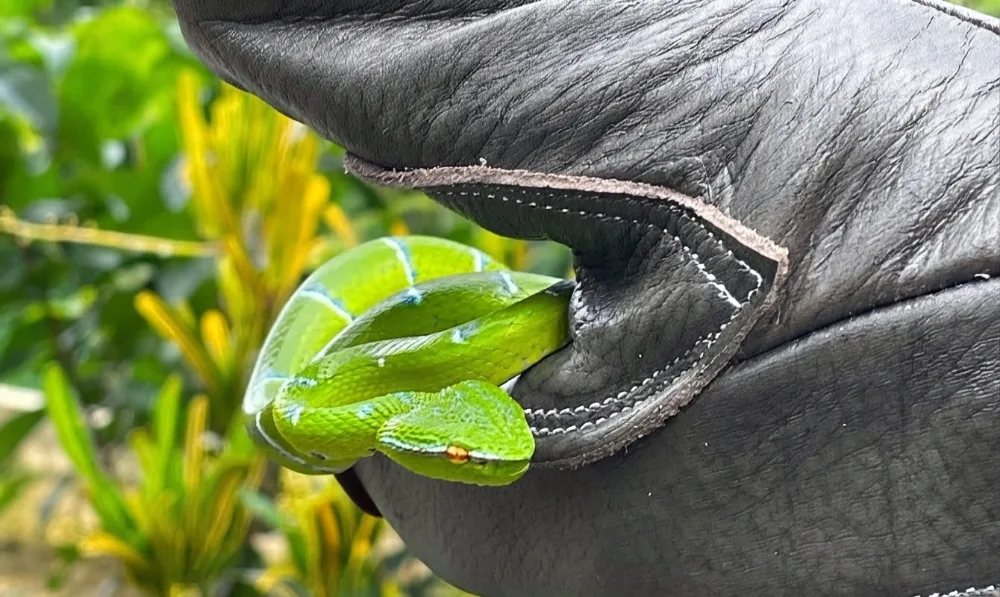
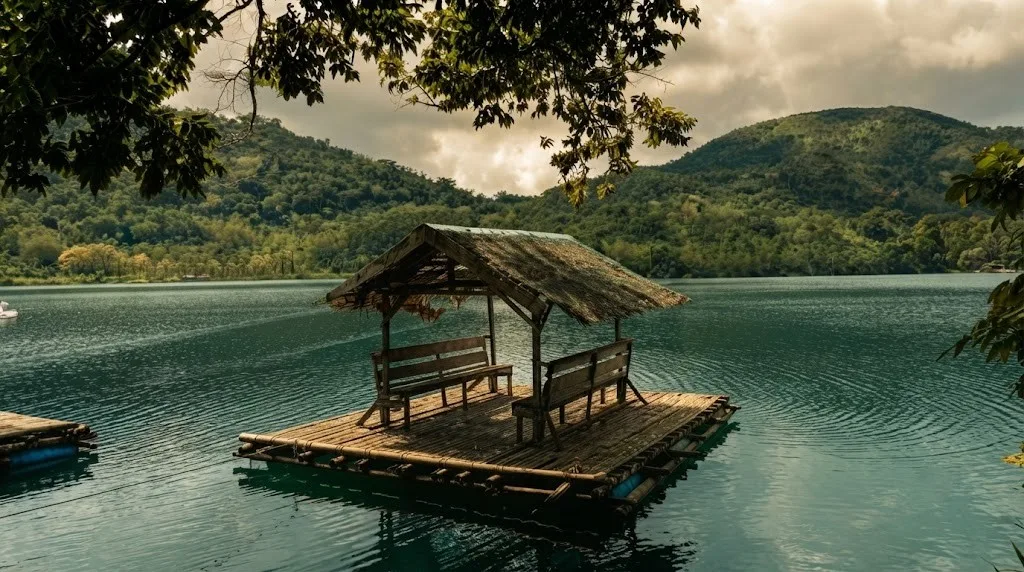
LEYTE - Many visitors come to Mahagnao Volcano Natural Park for its picturesque lakes and cool mountain air, but the surrounding forests reveal another reason to stay longer. Native birds frequently glide through the tree canopy while colorful butterflies gather around flowering plants along the trails. Patient hikers may even spot monitor lizards basking near streams or hear the calls of hidden forest species echoing through the woods. Every walk becomes an opportunity to notice how much life flourishes beyond the scenic viewpoints. The changing sounds of the forest create a relaxing atmosphere that cannot be experienced in busy urban destinations. Wildlife often appears unexpectedly, making every hike feel exciting and rewarding even for first-time visitors. Bringing a pair of binoculars or a camera can make these quiet discoveries even more memorable without disturbing the surrounding environment.
A Forest That Rewards Curious Travelers
The dense vegetation surrounding the park creates a healthy habitat for numerous native animals that depend on old-growth forests. Moss-covered trees, freshwater springs, and thick undergrowth provide shelter for insects, amphibians, and reptiles that contribute to the area's ecological balance. Wildlife sightings often happen naturally without disturbing the animals, making each encounter feel rewarding rather than staged. This peaceful setting encourages visitors to slow down and appreciate the rhythm of nature. Walking through the forest also allows travelers to observe how different plant species support the wildlife living within the park. Fallen logs, flowering shrubs, and towering trees each play an important role in sustaining the area's biodiversity. Spending more time along the trails often reveals small but fascinating details that many visitors overlook during shorter trips.
Protecting Wildlife Through Responsible Tourism
Mahagnao's greatest attraction is its ability to remain largely untouched despite welcoming visitors throughout the year. Staying on designated trails, avoiding loud noises, and properly disposing of waste all help preserve habitats for future generations of wildlife. Local communities also benefit from sustainable tourism that values conservation alongside recreation. A visit to the park becomes more meaningful when travelers recognize that protecting forests also protects the countless species that call them home. Responsible travel also encourages future visitors to experience the same thriving ecosystem without unnecessary human impact. Supporting local guides and following park regulations contribute to ongoing conservation efforts while helping nearby communities benefit from ecotourism. By respecting nature during every visit, travelers become part of the continuing effort to preserve one of Leyte's remarkable wildlife destinations.