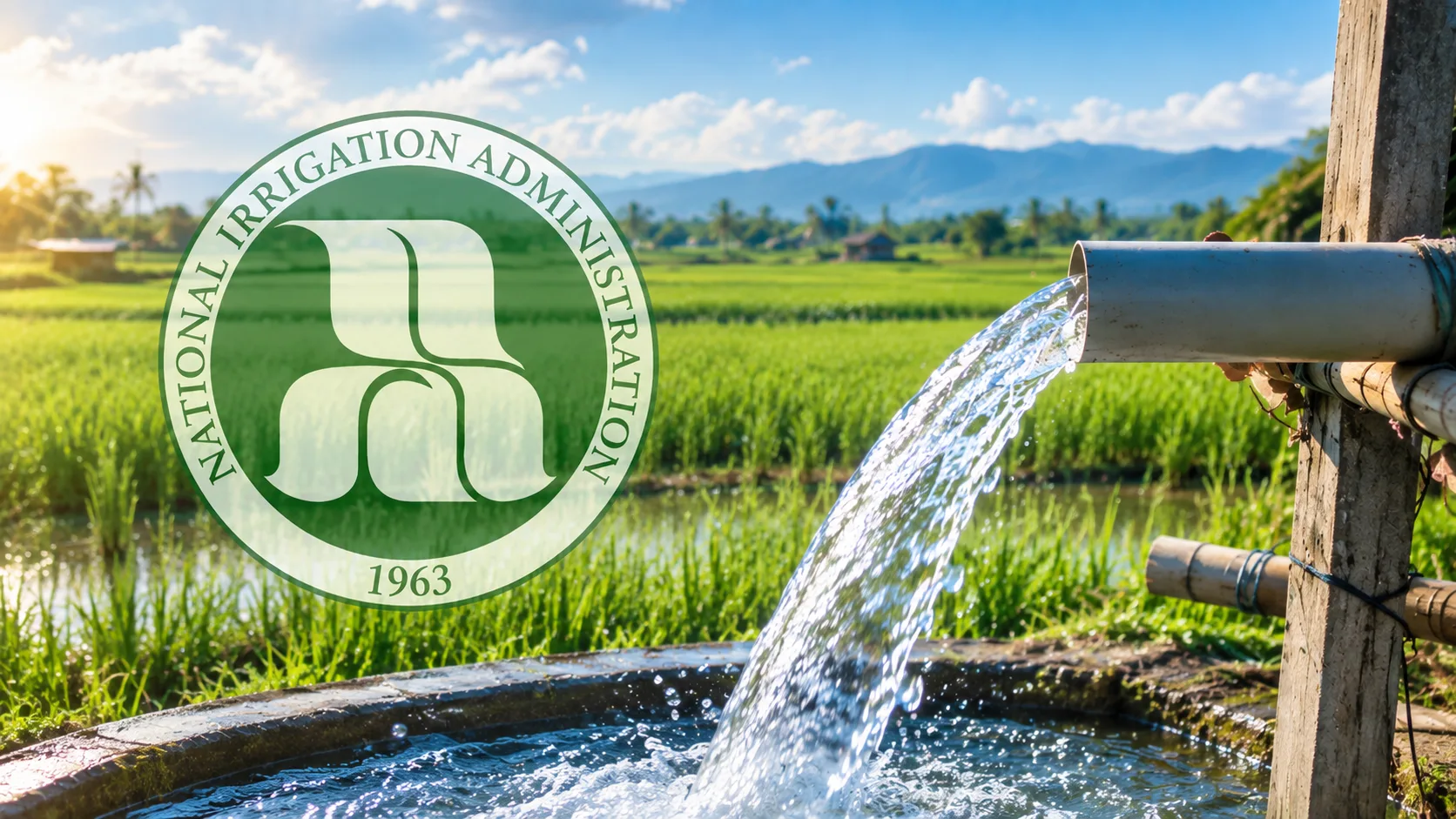
TACLOBAN CITY, LEYTE — The National Irrigation Administration (NIA) in Eastern Visayas is proactively implementing optimized water delivery schedules and field management strategies to maximize agricultural water distribution across local farming communities.
Coordinated Distribution to Support Regional Rice Production
In an advisory issued on September 11, the agency outlined measures to maintain steady, efficient water delivery to rice fields across the region amid shifting seasonal weather conditions:
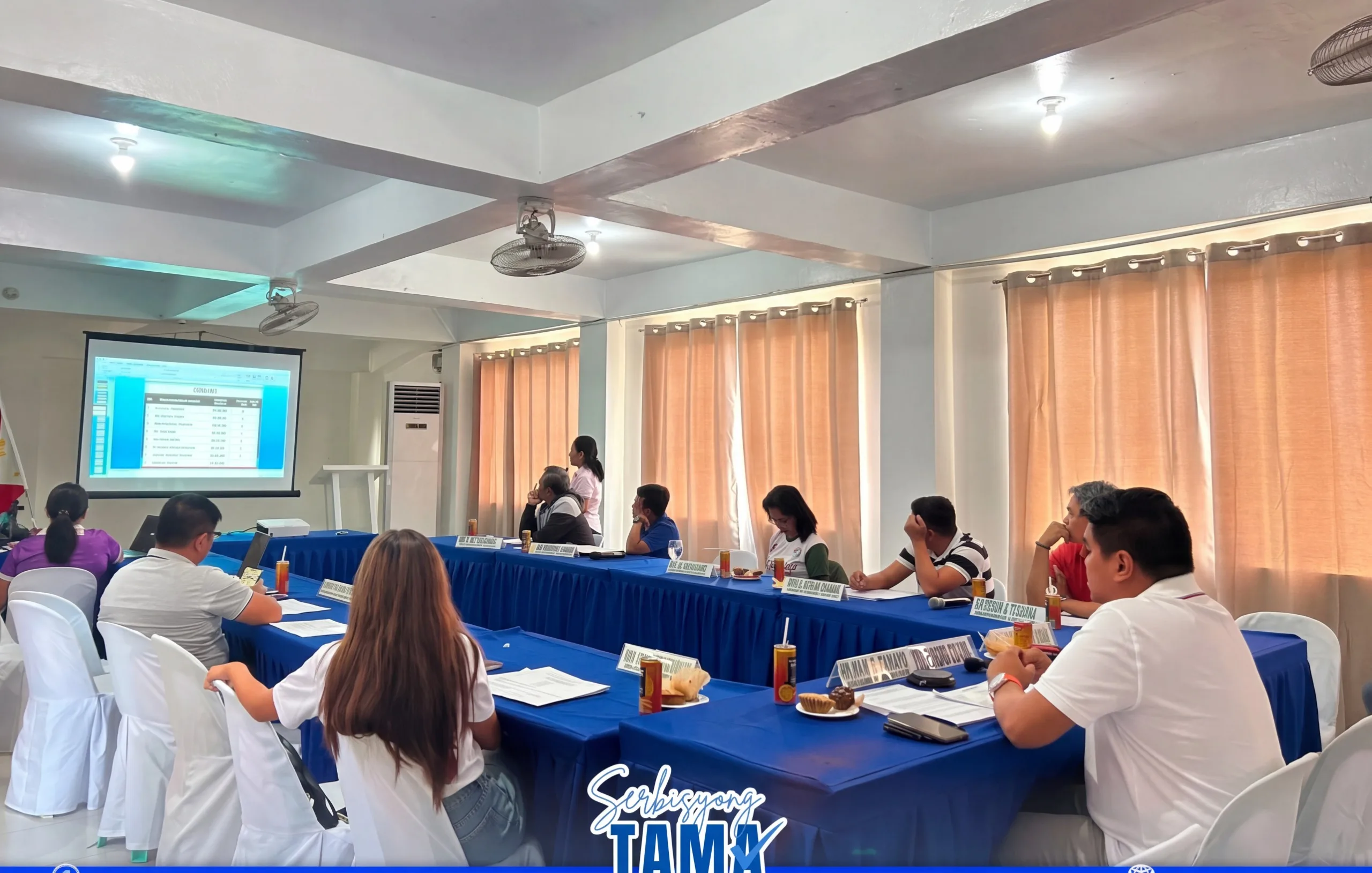
Resource Optimization: Field teams, irrigation development offices, and local Irrigators’ Associations are collaborating directly to implement rotational delivery schedules. The coordinated strategy ensures that available water is distributed equitably to cover maximum farm acreage during the cropping season.
Stable System Infrastructure: Two major regional irrigation networks continue to maintain optimal operating levels—the Daguitan River system in Julita, Leyte (recording 102.19 cm), and the Das-ay River system in Hinunangan, Southern Leyte (recording 66.03 cm).
Managed System Adjustments: NIA operations field teams are closely managing delivery calibrations across nine other regional systems—including the Malirong, Tibak, Guinarona, Marabong, Mainit, Pongso, and Bao systems in Leyte, alongside the Calbiga and Basey systems in Samar.
Farming Community Collaboration and Field Management
To safeguard local crop yields and stretch available supplies, NIA leadership is partnering with local agricultural groups to enforce organized water sharing:
Community Engagement: NIA is urging members of local Irrigators’ Associations and individual farmers to align strictly with assigned delivery windows, ensuring synchronized field flooding and avoiding unnecessary water loss.
Active Monitoring: Field personnel continue to monitor river inflows and reservoir levels daily, making real-time operational adjustments to support irrigation-dependent farms across Eastern Visayas.