TACLOBAN CITY — Elevated levels of fine particulate matter carried from Indonesian forest fires prompted environmental authorities to issue health advisories for sensitive groups in Tacloban City on September 2, 2026.
Transboundary Haze Triggers Elevated PM2.5 Levels
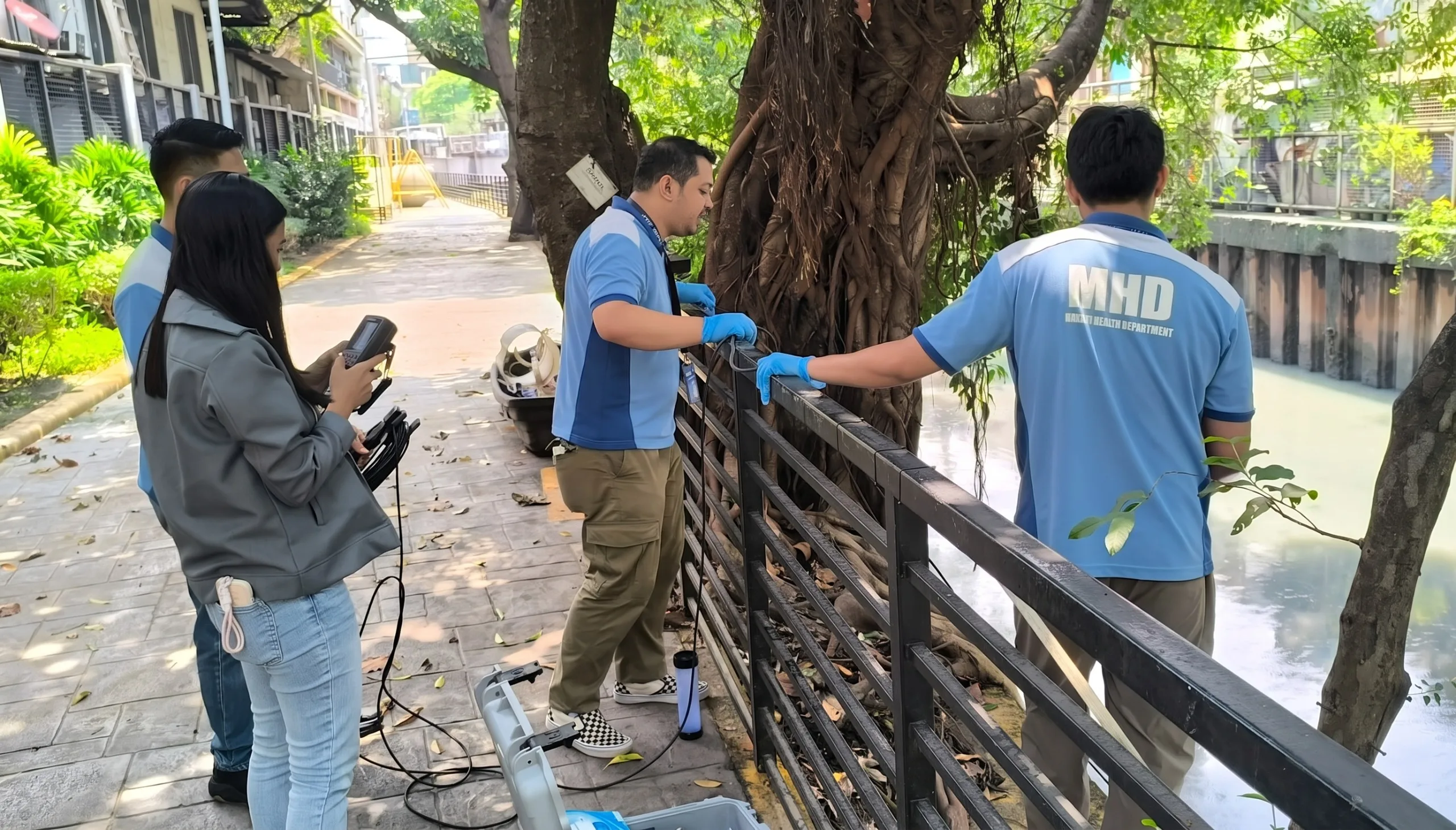
Monitoring conducted by the Environmental Management Bureau Region 8 (EMB-8) revealed a stark contrast in air quality parameters caused by prevailing southwest monsoon winds carrying smoke from Kalimantan, Indonesia:
Coarse Particles (PM10): Registered an Air Quality Index (AQI) of 48, maintaining a "Good" rating with negligible risk to the general public.
Fine Particles (PM2.5): Climbed to an AQI of 108, entering the "Unhealthy for Sensitive Groups" category. These microscopic particles penetrate deep into the respiratory system, posing heightened risks for individuals with asthma, heart conditions, elderly residents, and young children.
Continuous Surveillance: EMB-8 continues 24-hour monitoring across Leyte and Eastern Visayas, noting that air quality fluctuates rapidly based on rain, wind speed, and haze drift.
How to Protect Yourself and Prevent Haze Exposure in Public
Health officials urge residents—especially vulnerable individuals—to follow these practical preventative steps during high-AQI periods:
Wear N95 or KN95 Masks Outdoors: Standard surgical masks do not effectively filter tiny PM2.5 particles. Wear fitted N95 respirators when stepping outside.
Limit Outdoor Strenuous Activities: Avoid jogging, outdoor exercises, or heavy manual labor during midday peak pollution hours.
Keep Indoor Air Clean: Close windows and doors facing main streets, seal gaps, and run air purifiers equipped with HEPA filters where available.
Stay Hydrated and Monitor Health: Drink plenty of water to help flush toxins from the throat and upper respiratory tract, and consult a healthcare provider immediately if experiencing shortness of breath, chest tightness, or severe coughing.