TACLOBAN CITY — For coconut farming communities across Leyte, the economic potential of their harvest extends far beyond traditional copra production. Through the Rural Agro-Enterprise Partnership for Inclusive Development and Growth (RAPID Growth) Project, the Department of Trade and Industry (DTI) Leyte Provincial Office is actively equipping local farmers and agricultural cooperatives to process coconut by-products into high-value commercial goods, driving rural employment and enterprise growth.
Unlocking Value in Coconut Waste Streams
The initiative encourages agricultural workers to view every component of the coconut as a viable business resource rather than discarded farm waste. DTI Leyte Provincial Director Faustino Gayas Jr. highlighted that diversification is critical to improving farm-gate economic resilience.
“There is an opportunity in every part of the coconut,” Gayas stated. “What we want is for our farmers and cooperatives to recognize that opportunity and learn how to turn it into income.”
Hands-On Technical and Product Development Training
To translate agricultural waste into marketable products, DTI Leyte conducted specialized two-day technical workshops for local agricultural workers:
Coco Coir and Peat Production: Twenty-two youth participants endorsed by the KAMMPIL AgriCoop completed hands-on training focused on processing coconut husks into commercial-grade coco coir and nutrient-rich coco peat.
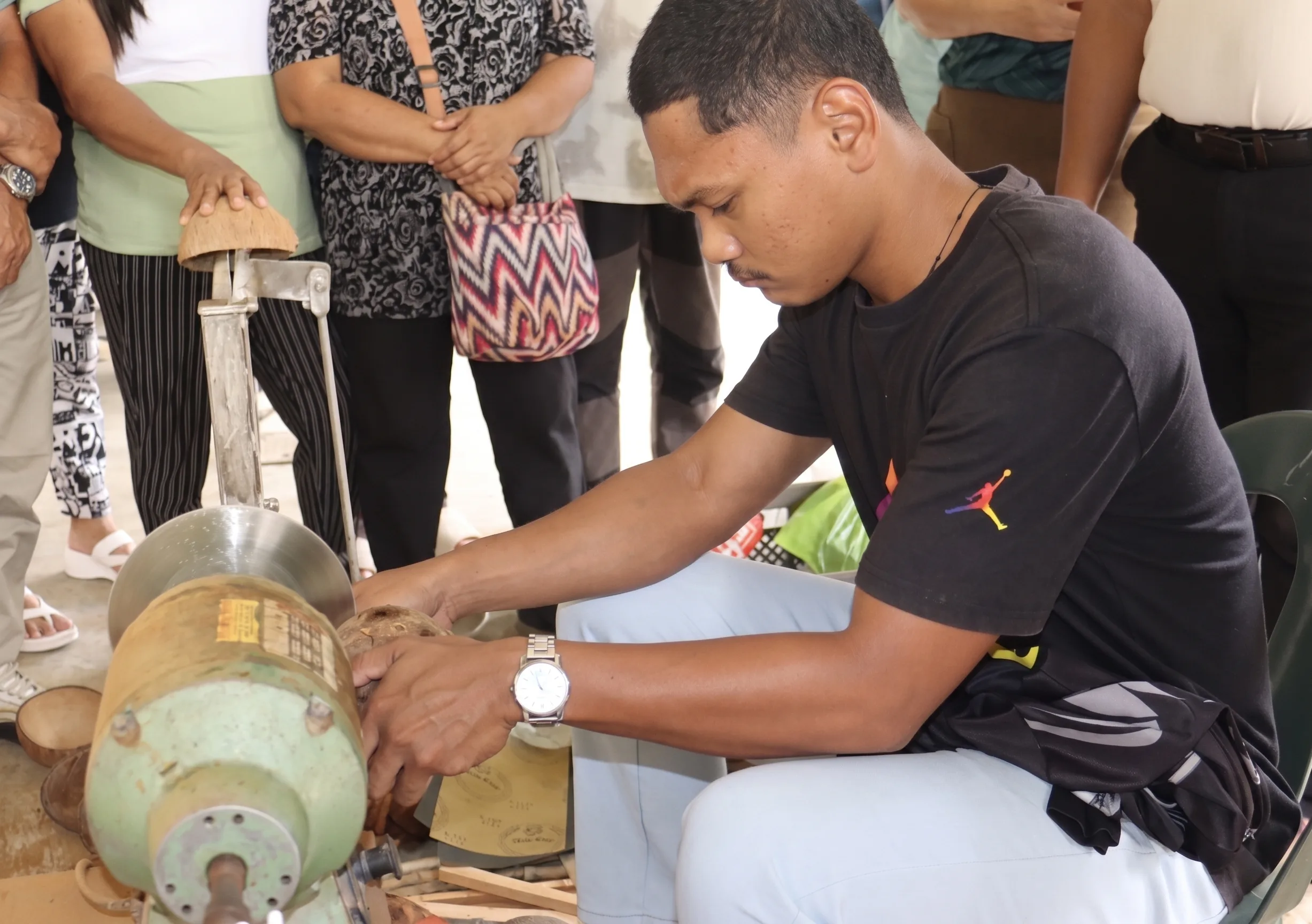
Handicraft Innovation: Members across five partner farmer organizations received practical instruction on transforming discarded coconut shells into marketable artisanal items and home goods.
Inclusive Economic Participation: By incorporating youth, women, and men into technical processing roles, the program aligns directly with the RAPID Growth Project’s commitment to gender equality and grassroots social inclusion.
Building Sustainable Rural Enterprises
DTI officials emphasized that skills training serves as the foundation for long-term community enterprise development. Gayas urged participants to focus on rigorous product quality control, market exploration, and strong cooperative management.
“The training is only the beginning,” Gayas added. “What matters is how they apply what they learned, improve the products, find the market, and make the enterprise sustainable.”
Through processing husks into coir, peat, and crafted goods, Leyte's agricultural communities are establishing a sustainable framework to boost household incomes, expand rural businesses, and maximize the total value of their agricultural harvest.