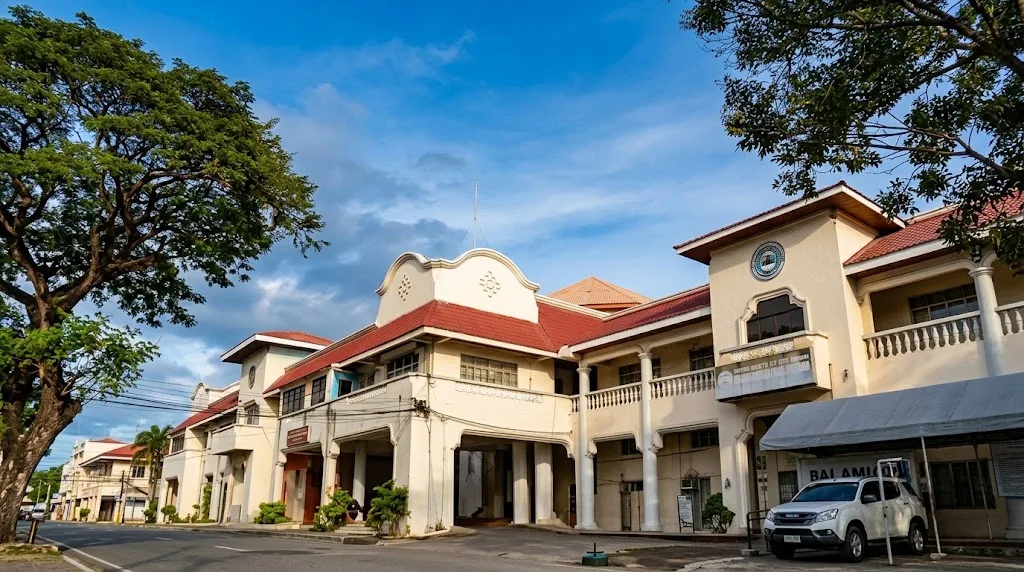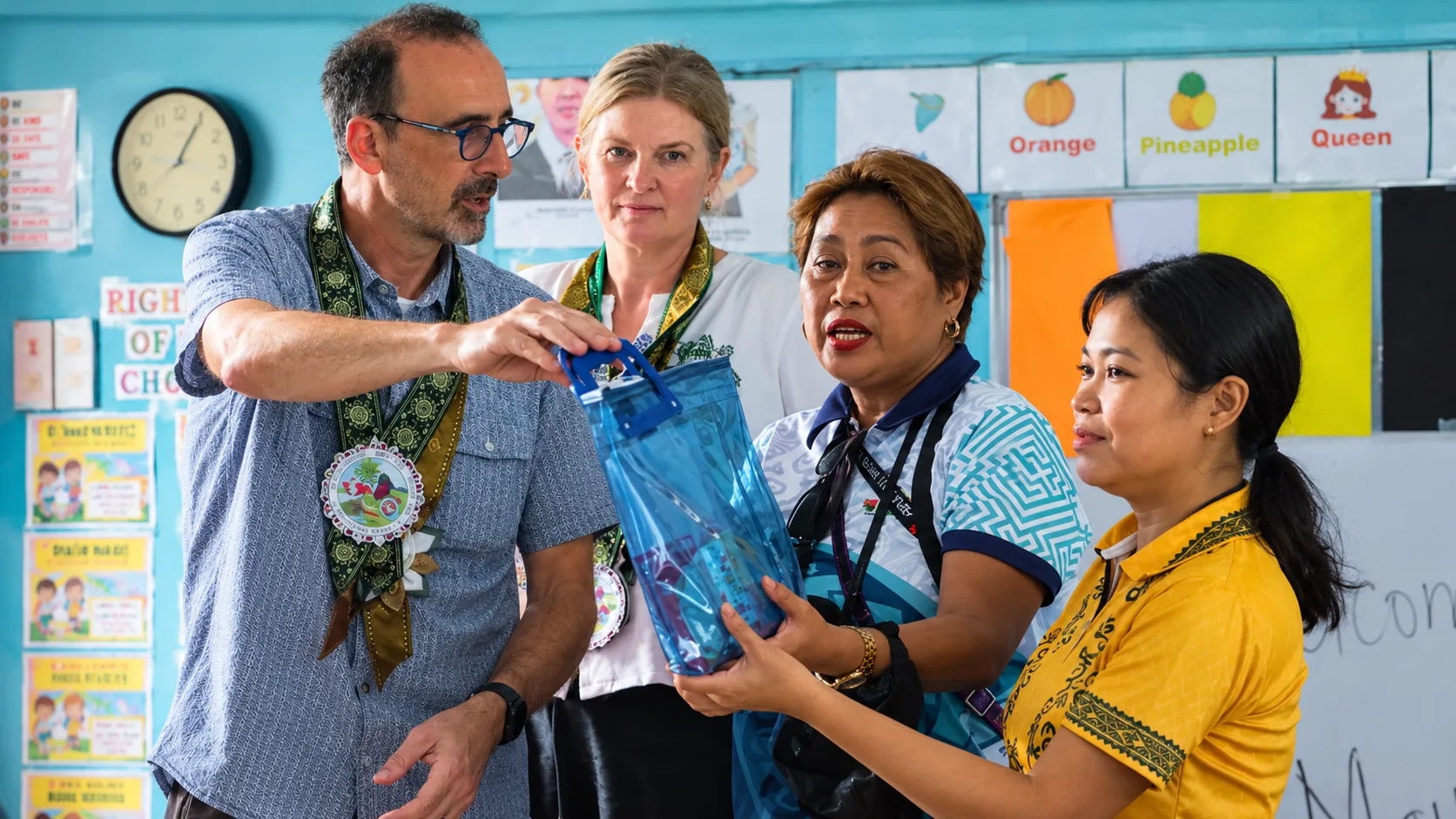
CARIGARA, LEYTE — Highlighting the power of local involvement in poverty alleviation, a high-level World Bank delegation completed a learning consultation and field monitoring visit to Barangay Upper Hiraan in Carigara, Leyte, on October 6, 2026.
Spotlighting Grassroots Progress In Upper Hiraan
Led by Dr. Luis Benveniste, World Bank Regional Practice Director for People in the East Asia and Pacific Region, the visit focused on evaluating subprojects funded under the Department of Social Welfare and Development's (DSWD) Kapit-Bisig Laban sa Kahirapan-Comprehensive and Integrated Delivery of Social Services (KALAHI-CIDSS) program.
During community dialogues, the international delegation examined how the community-driven development (CDD) model directly builds economic resilience and expands access to basic social infrastructure.
The delegation visited the barangay’s newly constructed Child Development Center, where Early Childhood Care and Development (ECCD) worker Michaela O. Narbonita detailed how residents directly managed the planning, implementation, and ongoing maintenance of the facility, which serves children ages two to five.
Demonstrating proactive climate adaptation, local Barangay Resilience Team (BResT) member Rexen Seron delivered a hazard and risk mapping presentation based on the community's Participatory Risk and Vulnerability Assessment.
Strengthening Governance Through Local Participation
Carigara Municipal Mayor Eduardo T. Ong, alongside key local officials including Municipal Planning and Development Coordinator Daryl Daniel G. Bodo, Municipal Agricultural Officer Engr. Josefina Josol, and Municipal Nutrition Action Officer Maricel P. Pore, underscored the lasting impact of the CDD approach. Local leaders noted that KALAHI-CIDSS has deepened civic participation, fostered community ownership over public assets, and streamlined essential service delivery across the municipality.
The World Bank’s monitoring visit reaffirmed the critical role of strong international and local partnerships in driving sustainable development, with key insights from Upper Hiraan expected to inform future global and national social protection policies.