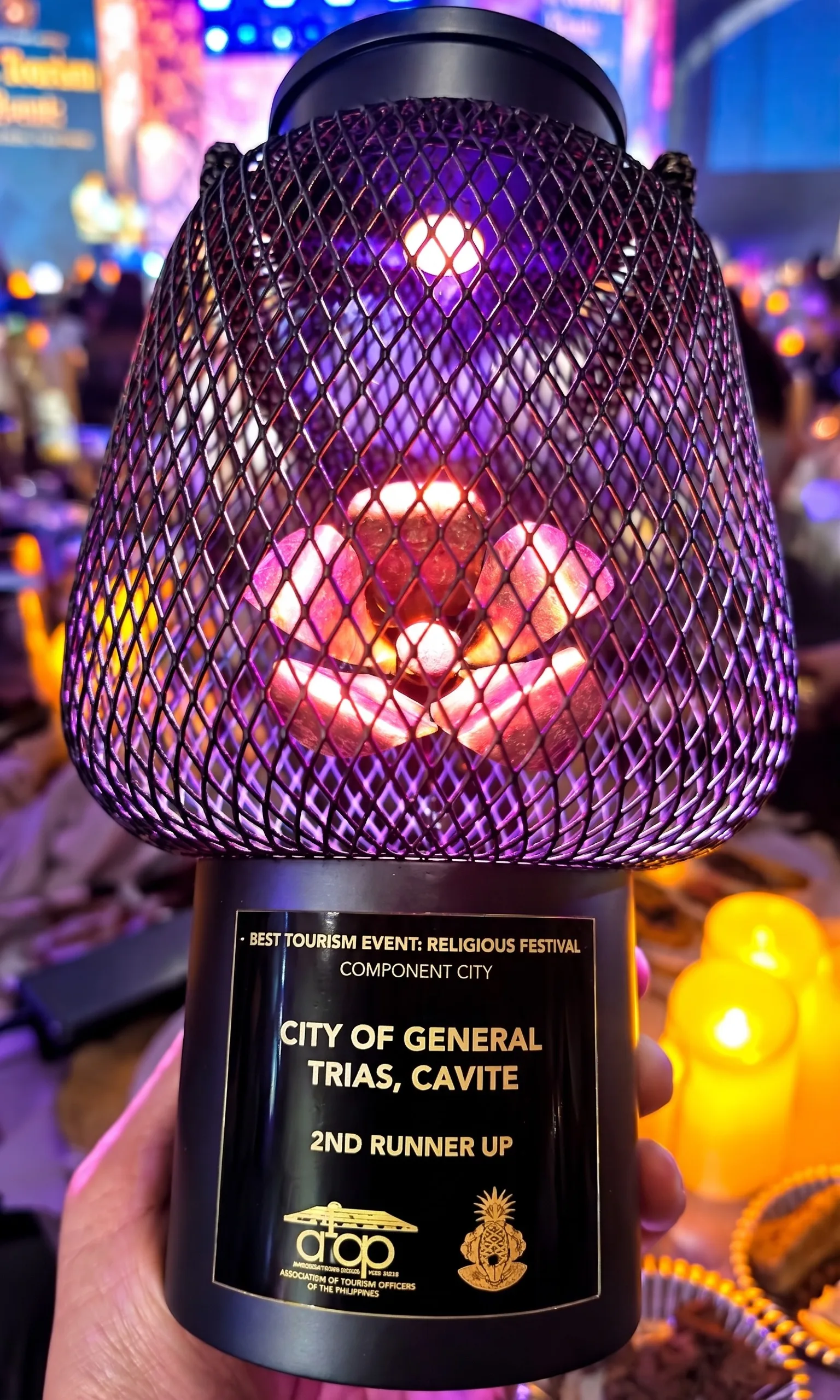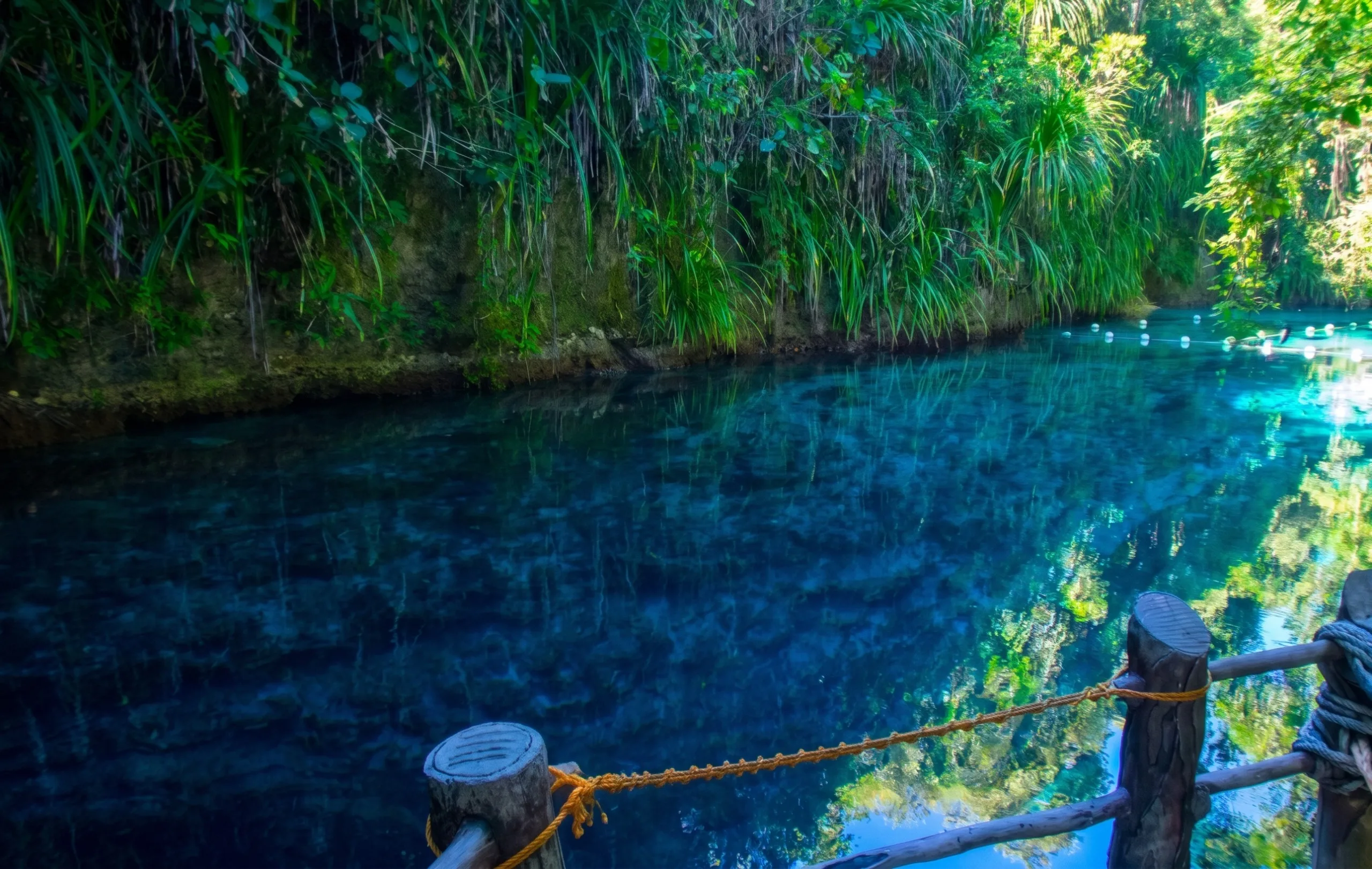
HINATUAN, SURIGAO DEL SUR — The Grand Winner citation for Best Practices on Sustainable Tourism at the 2026 ATOP Pearl Awards is not an overnight achievement. It is the product of a deliberate, sometimes difficult, decade-long effort to manage one of Mindanao's most visited natural attractions without allowing its popularity to destroy it. For Hinatuan, the recognition validates a wager made years ago: that the river's long-term value depends on restricting how people use it, not on maximizing the number who arrive.
The Crowd Problem That Forced a Reckoning
The Enchanted River's rise was rapid. After opening to the public around 2010, visitor numbers climbed to over 321,000 by 2016, with peak-season days drawing more than a thousand people to a lagoon barely 100 meters long. The environmental toll followed. Water quality monitoring recorded failing fecal coliform levels in the Enchanted Lagoon section from 2016 onward, a direct consequence of congestion, poor sanitation, and the proximity of facilities to the water's edge. The river was degrading under the weight of its own success.
The Hard Choices That Followed
The local government's response was not incremental. The river was closed for rehabilitation, first for a month and later for a longer period spanning January to March 2017. During the closure, the community cleaned the river and its surroundings, and facilities—cottages, picnic huts, parking areas, food stalls, were relocated hundreds of meters away from the lagoon. Swimming in the main pool was prohibited, and visitors were confined to designated areas roughly ten meters from the lagoon, with life vests mandatory. Carrying capacity studies were conducted and became the basis for limiting daily visitor numbers. Diving was restricted to research purposes only. These were unpopular decisions in the short term, but they were grounded in the water quality data that the Environmental Management Bureau had been providing to the municipality year after year.
The Economic Test of Restraint
The question that hung over these restrictions was whether conservation would kill the town's tourism economy. The numbers suggest it did not. In 2025, the Enchanted River recorded 322,710 visitors, with overnight stays in nearby lodgings reaching nearly 32,000. The first quarter of 2026 alone drew over 33,000 arrivals, and total visitor movement across the broader tourism ecosystem climbed to more than 115,000. The river's role in sustaining community-based tourism and small enterprises has been explicitly cited in provincial reports. Restraint, it turned out, did not shrink the market; it stabilized it.
A Model Under International Light
The award arrives as the Enchanted River has been adopted as a visual identity for the Philippines' ASEAN 2026 chairmanship, symbolizing sustainability, cultural pride, and regional unity. That symbolism is not accidental. The river's management model—regulate access, protect water quality, involve the community, and let the data drive decisions—mirrors the principles the country is promoting on the regional stage. For Hinatuan, the ATOP recognition is a validation of a decade of difficult choices. For the rest of the country, it is a template.