The Table Is More Than a Place to Eat
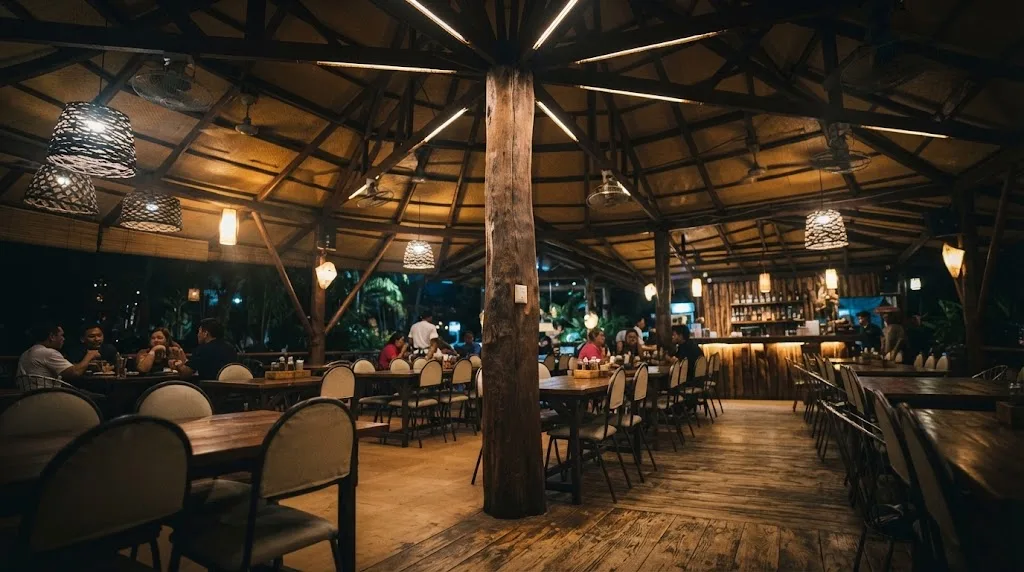
BACOLOD - In Bacolod, food is often a reason for people to gather rather than something experienced alone. A table can quickly become a place for conversation, laughter, recommendations, and shared experiences. Someone may tell you which dish is worth ordering, suggest another restaurant to visit, or explain how a local specialty is traditionally eaten. Even when the people sitting nearby are complete strangers, the shared experience of enjoying a meal creates an easy opportunity for interaction. For visitors, this can make a neighborhood restaurant feel considerably more personal than simply taking photographs at a famous attraction.
Sharing Food Creates Instant Connections
Filipino dining culture naturally encourages sharing, particularly when groups order several dishes for everyone at the table. In Bacolod, that tradition becomes especially enjoyable because the city's culinary identity offers so many dishes worth trying together. Chicken inasal, seafood, kansi, grilled specialties, piaya, and other local favorites can become conversation starters. A visitor who asks, “What should I try?” may receive several answers from people nearby. That simple question can transform a meal from a transaction into a small cultural exchange, allowing travelers to learn about Bacolod from people who actually live there.
Hospitality Is Often Found in Ordinary Places
The most memorable moment may not happen at a luxury restaurant or major tourist attraction. It might happen at a small neighborhood eatery, where the owner remembers a regular customer, friends gather after work, or a family spends an evening over several plates of food. This is where visitors can experience a more everyday version of Bacolod's hospitality. The city's “City of Smiles” identity is often associated with friendliness and warmth, but travelers do not need a formal welcome ceremony to experience it. Sometimes all it takes is sitting down, ordering something local, and being willing to start a conversation. For visitors, the best approach is to respect the local setting while remaining open to interaction. Ask about the food, thank people for their recommendations, and do not be surprised if a simple conversation lasts longer than expected. You may arrive at the table as a stranger, but by the time the plates are cleared, you may have learned a new story, discovered another restaurant, or made a connection that becomes one of the most memorable parts of your trip.