TAGBILARAN CITY, Bohol — Bohol is planting the seeds for a sweeter tomorrow, quite literally. A bold 10‑year public‑private partnership aims to put one million cacao trees in the ground, transforming idle land into thriving chocolate farms and positioning the island as an emerging agri‑tourism destination.
A Bold Plan for Sweet Success
The initiative, launched during World Chocolate Day on July 7, 2026, brings together the municipality of Catigbian and the Bohol Chocolate Farm. Catigbian Mayor Benjie Oliva committed 200 hectares of local government land to be converted into productive cacao plantations. The project is designed to give farmers an additional income stream and a guaranteed market for their harvests.
Bohol Chocolate Farm, the first cacao nursery in the province accredited by the Department of Agriculture, will supply planting materials and technical know‑how. Farmers who join the partner‑grower program receive discounted seedlings, farm management support, and a firm commitment that every cacao bean they produce will be purchased. At full capacity, the project could yield 800 metric tons of fermented, dry cacao beans annually, reducing the province’s reliance on outside sources.
Turning Idle Land into Gold
Catigbian’s landscape, with over half of its territory classified as grassland or idle land, makes it an ideal site for agricultural expansion. By converting underutilized public property into a high‑value crop zone, the municipality expects a boost in local tax revenues, employment, and community pride. The project offers a replicable blueprint for other rural towns looking to capitalize on the growing global appetite for premium chocolate.
Sagbayan, home to the Bohol Chocolate Farm, is also fully behind the effort. Mayor Asuncion Ybañez said cacao farming strengthens agri‑tourism, community enterprise, and local livelihoods. The initiative goes beyond planting trees; it builds an entire value chain, from seedling to finished chocolate bar.
A Growing Tourist Attraction
For visitors, Bohol’s cacao story adds a delicious layer to the island’s famed Chocolate Hills and tarsier encounters. Agri‑tourists can already visit the Bohol Chocolate Farm in Barangay Canmano, Sagbayan, to learn about cacao cultivation, bean processing, and chocolate‑making. As the plantations expand, more farm‑to‑bar experiences are expected to emerge across the province.
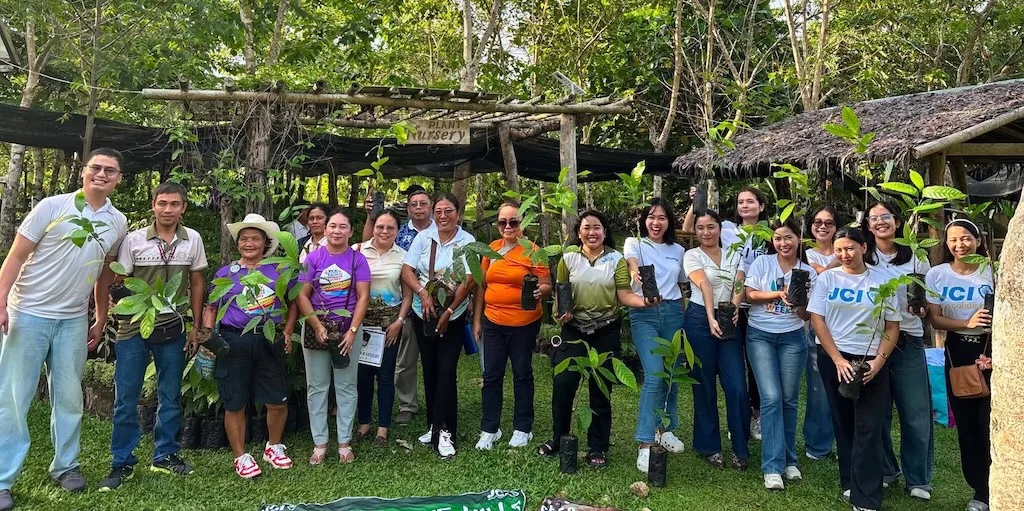
The “Seed to Bean” project, a companion to the 10‑year plan, kicked off with the donation of 1,000 cacao seedlings to the Nueva Vida Sur Women’s Association in Carmen. Such community‑based initiatives ensure that tourism benefits reach even the smallest barangays. Travelers seeking authentic, hands‑on experiences will find Bohol’s chocolate trail increasingly irresistible.
A Sweet Economic Future
Bohol Chocolate Farm founder Rosario Amores‑Hudson said understanding where chocolate comes from deepens its appreciation. The project aims to make Bohol a recognized origin of real chocolate, not just a consumer of imported beans. By linking farmers directly to a manufacturer, it protects growers from volatile market prices while building a sustainable local industry.
For the traveler, this means more reasons to extend a stay in Bohol. A morning exploring the Chocolate Hills can now be paired with an afternoon at a cacao plantation, tasting single‑origin chocolate made from beans grown just a few meters away. The million‑tree target is not merely an agricultural goal; it is an invitation to the world to discover Bohol’s sweetest side.