


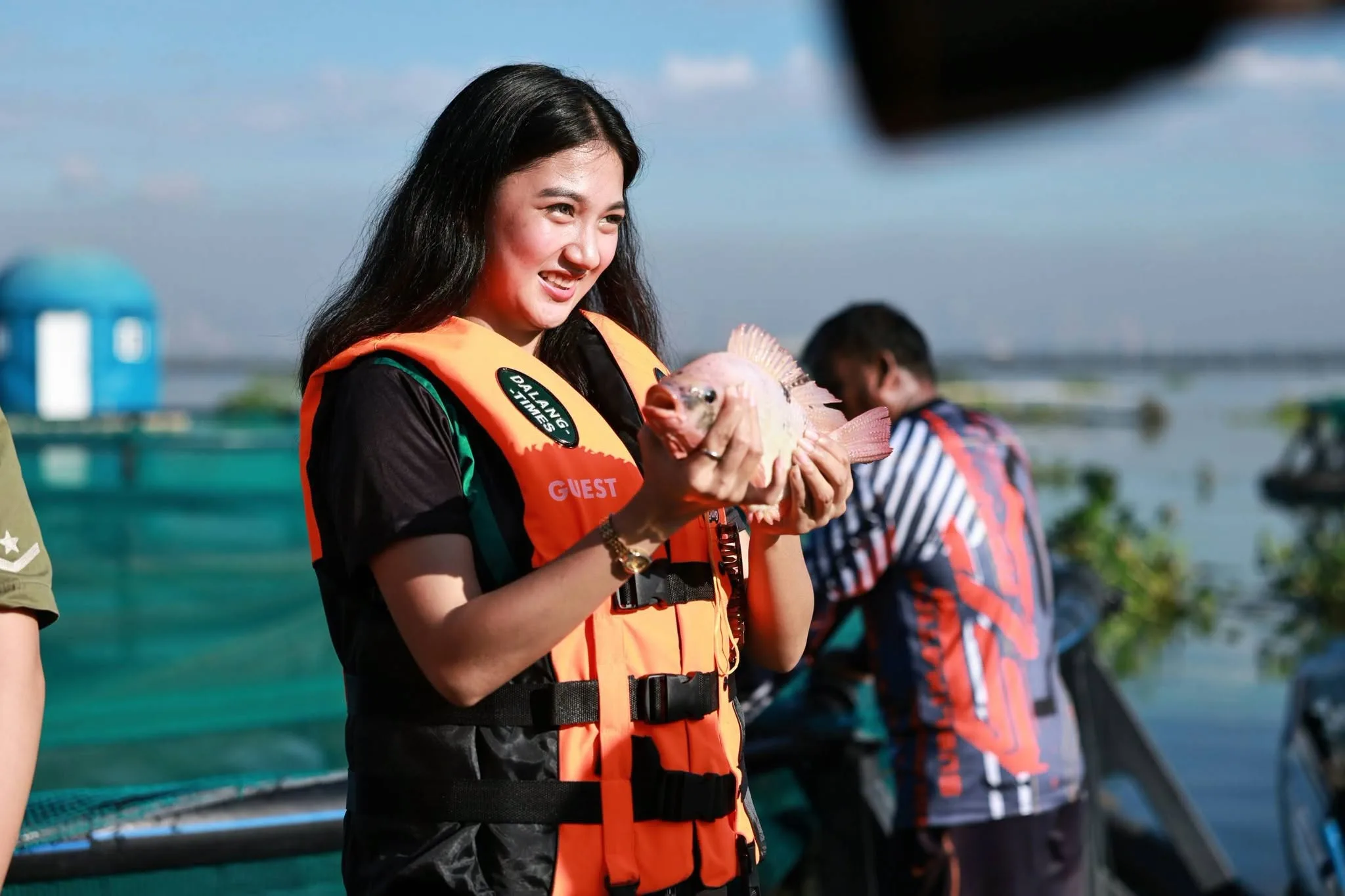
Taguig City marked the 63rd Fish Conservation Week with the release of 100,000 bangus fingerlings into Laguna de Bay on September 16, highlighting efforts to replenish fish stocks, protect aquatic resources, and support the livelihood of local fisherfolk. Led by the Taguig City Agriculture Office, the lake-seeding activity brought together representatives from the city government, fisheries organizations, students, youth officials, and local fisherfolk. The initiative reflects the importance of community participation in protecting and managing the lake's fisheries.
Supporting Fish Stocks in Laguna de Bay
The release of bangus fingerlings is part of Taguig's quarterly lake-seeding program, an initiative designed to help replenish fish stocks in Laguna de Bay while encouraging responsible fisheries management. Lake-seeding activities are also used in other areas as part of broader efforts to strengthen inland fisheries and support communities whose livelihoods depend on aquatic resources. The Laguna Lake Development Authority has documented lake-seeding activities involving bangus and other fish species as a way of supporting sustainable fisheries and local communities.
A Celebration of Fish Conservation Week
The activity coincided with the 63rd Fish Conservation Week, an annual observance that promotes awareness of the importance of protecting and sustainably managing the country's fisheries and aquatic resources. In 2026, Fish Conservation Week activities across the country included programs focused on fisheries conservation, livelihood support, resource management, and community participation. The observance provides an opportunity to highlight the connection between healthy aquatic ecosystems, sustainable fish production, and the communities that rely on fisheries for food and income.
Bringing Communities Into Fisheries Conservation
Students from Taguig City University and the Polytechnic University of the Philippines, along with Sangguniang Kabataan officials and local fisherfolk, participated in the lake-seeding activity. Their involvement shows how fisheries conservation can extend beyond government programs. Young people, local communities, fisherfolk organizations, and other stakeholders can all play roles in raising awareness and supporting responsible management of aquatic resources. The Bureau of Fisheries and Aquatic Resources has likewise emphasized the importance of partnerships with fisherfolk and local governments in strengthening fisheries management and supporting fishing communities.
