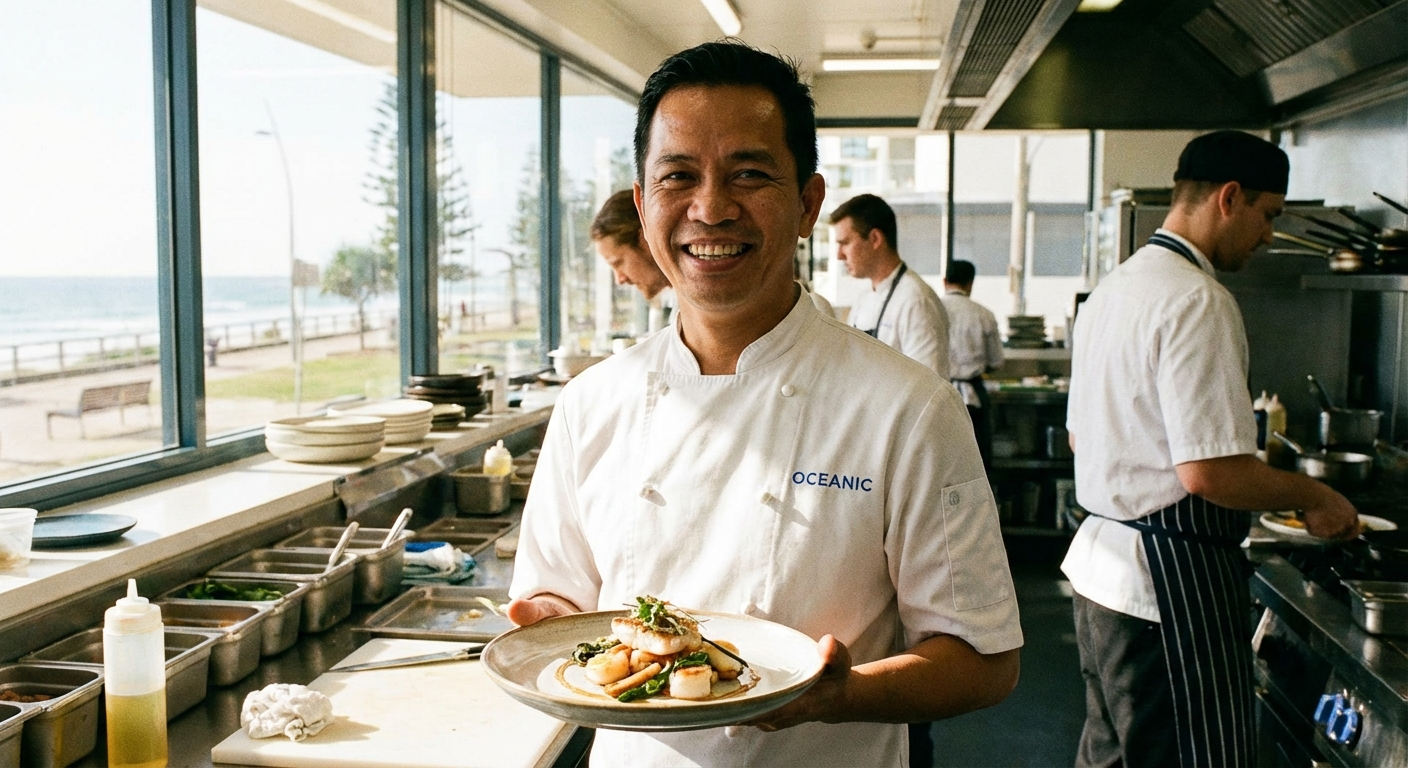
On Australia's vibrant Gold Coast, a Filipina chef and her café are making a profound difference in the lives of international students through a commendable initiative offering free culinary training. This program is not just about teaching kitchen skills; it's a powerful statement on community empowerment, designed to equip young global talents, including many from the Philippines, with practical experience crucial for their success in a new country. The core of this impactful project, as highlighted by SBS Australia, revolves around providing hands-on experience and professional development without the financial burden often associated with such training. For international students, who frequently juggle demanding academic schedules with financial constraints, this free training serves as a critical bridge between theoretical knowledge and real-world employment opportunities. It helps them overcome common barriers like the lack of local work experience, which can often hinder their entry into the Australian job market. Why It Matters This initiative holds particular significance for Filipinos and Overseas Filipino Workers (OFWs) aspiring to or currently studying in Australia. Many Filipino international students arrive with academic qualifications but may lack industry-specific experience valued by Australian employers. Programs like this Filipina chef's free training not only fill that gap but also provide a safe, supportive environment to learn and integrate into the local culture and workforce. It serves as a testament to the resilience and resourcefulness of the Filipino diaspora, showcasing how individuals can uplift their community members and foster pathways to economic stability and professional growth abroad. Such efforts are vital in building a strong, self-sufficient Filipino presence in countries like Australia, creating a network of support that goes beyond mere employment to genuine skill development. What Filipinos Need to Know Filipinos considering or pursuing international education in Australia should be aware of such community-led initiatives that can significantly enhance their study-to-work transition. Seeking out established Filipino communities and businesses can often reveal invaluable support systems, mentorship, and practical training opportunities that might not be widely advertised. While the specific name of the chef or café was not detailed in the source, the spirit of this success story underscores the importance of proactive engagement within the diaspora. These programs not only offer tangible skills but also foster a sense of belonging and provide crucial networking connections, empowering Filipino international students to thrive and build successful careers in Australia, contributing positively to both their host country and their families back in the Philippines.