


Choosing Seeds That Support Healthy Growth
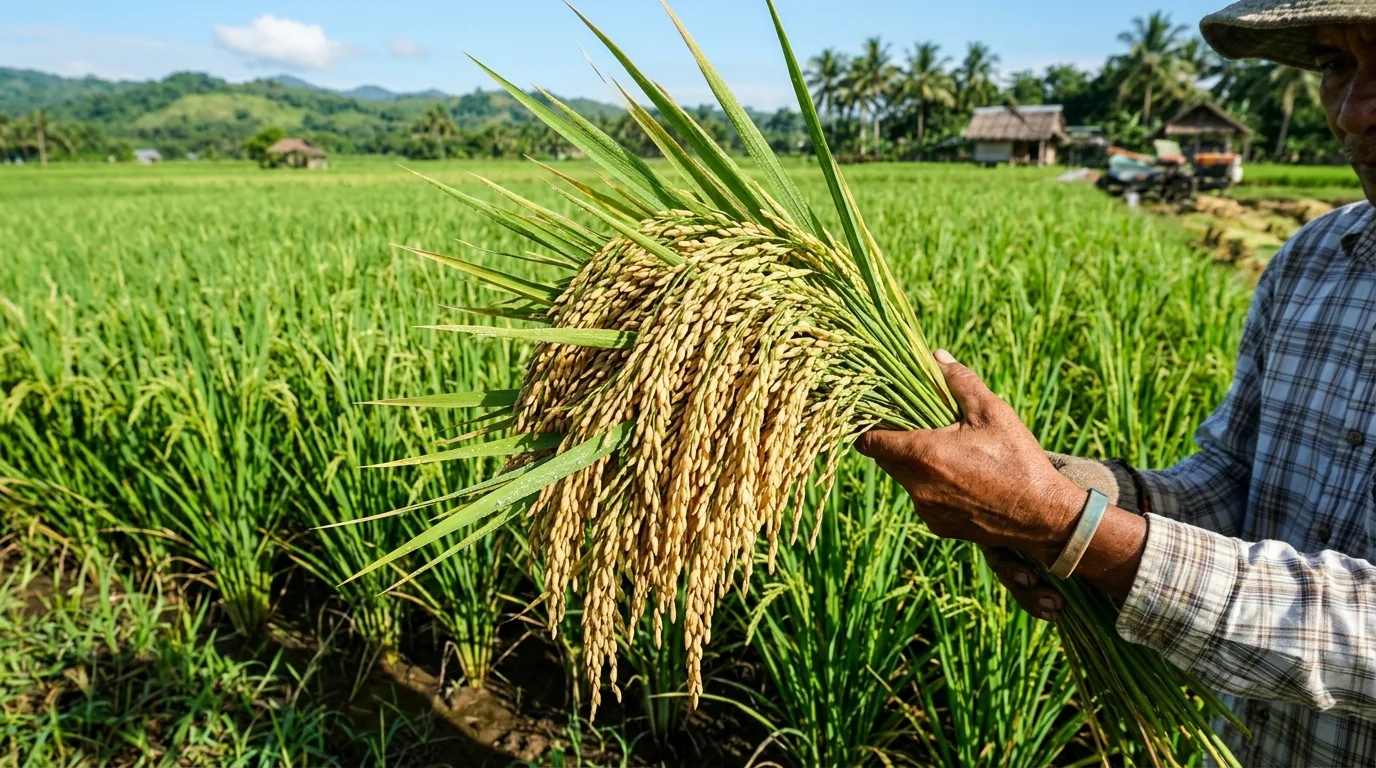
BACOLOD - A productive growing season often starts with seeds that are healthy, properly stored, and suitable for the local environment. Good-quality seeds generally have strong germination potential, physical purity, and the ability to produce healthy seedlings. Farmers also need to consider the crop variety, planting season, soil conditions, and availability of water when selecting seeds. Choosing varieties suited to local conditions can help crops establish more consistently and make better use of available farm resources.
How Seed Quality Affects Crop Development
The condition of seeds can influence how evenly crops emerge and develop across a field. Seeds with poor germination may leave empty spaces, resulting in uneven plant growth and less efficient use of farmland. Healthy seeds, when combined with proper land preparation, suitable planting methods, and adequate care, give crops a stronger start. However, seed quality alone cannot guarantee a successful harvest. Weather, pests, diseases, soil fertility, and farm management also play important roles in determining crop performance.
Proper Storage Protects Future Harvests
Maintaining seed quality does not end after purchase. Farmers need to store seeds in clean, dry, and well-ventilated areas, following the storage instructions for each variety. Excess moisture, heat, pests, and poor handling can reduce seed viability over time. Checking packaging information, expiration or testing dates, and trusted sources before planting can also help farmers make informed choices. By protecting seeds from storage damage and selecting suitable varieties for each planting season, farming communities can support more reliable crop production and strengthen local food supplies.
