


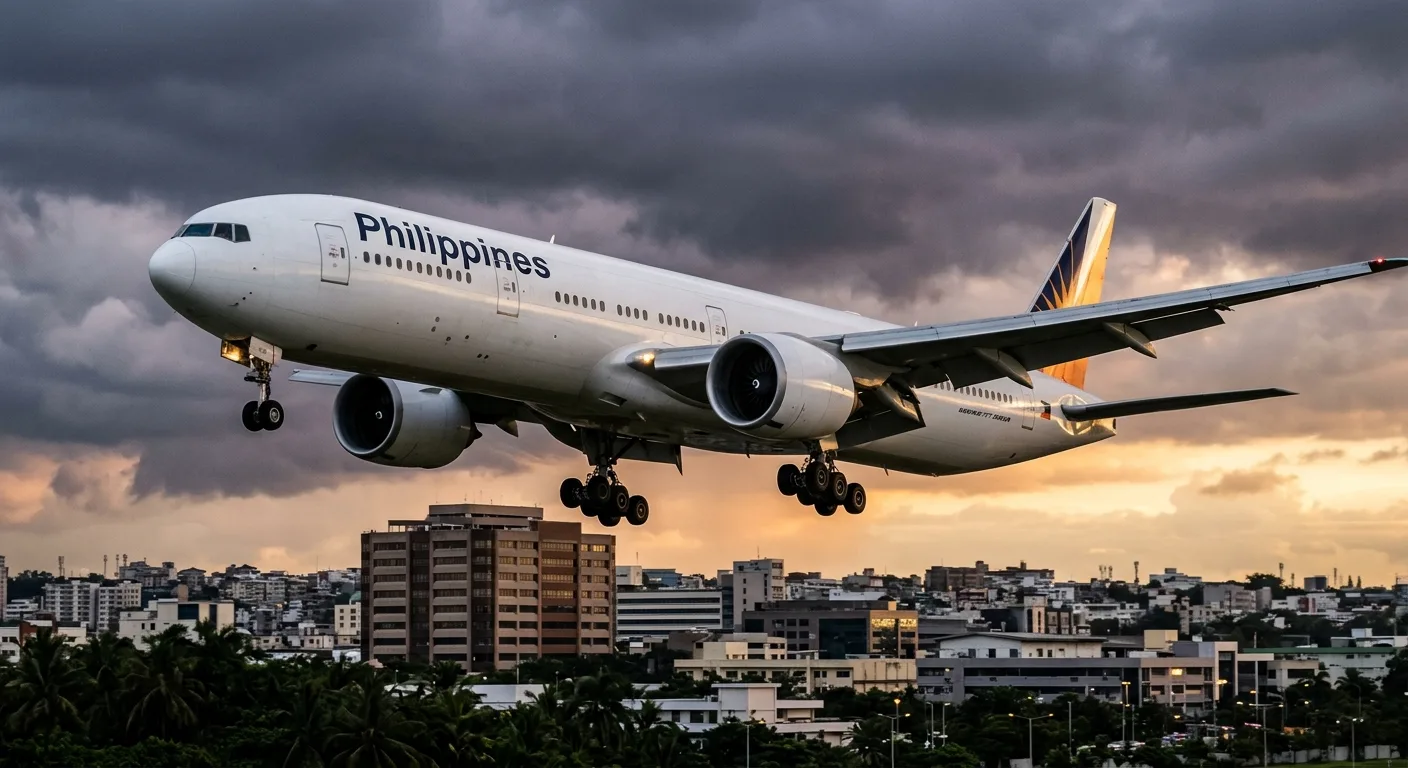
PHILIPPINES — The Asia-Pacific aviation sector has demonstrated remarkable resilience, carrying nearly 290 million international passengers from January to September 2026. This figure represents a steady two percent increase compared to the same period last year, signaling a robust recovery for regional carriers.
Aviation Demand Rebounds Strongly
According to the Association of Asia-Pacific Airlines (AAPA), the total passenger volume expanded to 289.48 million during the nine-month period. This is a significant jump from the 284.06 million recorded in the same timeframe last year, reflecting sustained consumer confidence in air travel.
Passenger demand, measured in revenue passenger kilometers, grew by 4.6 percent to 1.06 trillion. This metric indicates that travelers are flying significantly longer distances this year, while available seat capacity expanded by 2.9 percent to 1.27 trillion seat kilometers to accommodate the growing volume.
Geopolitics Shifts Travel Patterns
The growing popularity of longer-haul routes is largely driven by the ongoing conflict in the Middle East. Passengers are increasingly opting for nonstop flights instead of connecting itineraries that typically involve stopovers in volatile regions when traveling to Europe or North America.
Consequently, other routes served by Asia-Pacific carriers have registered lower passenger traffic. Airlines have reduced capacity on these routes as they seek to optimize their overall operations and adapt to the shifting preferences of international travelers.
Cargo Growth and Industry Resilience
In September alone, regional carriers carried 30.4 million international passengers, a marginal 0.7 percent increase. This slight uptick successfully ended five consecutive months of year-on-year declines, supported by stronger growth in longer-haul travel and strategic shifting in capacity deployments.
International air cargo demand also gained significant momentum, rising by 6.4 percent. This growth was heavily supported by stronger global manufacturing activity and sustained demand for artificial intelligence-related goods, outpacing the expansion in available freight capacity.
Pressures Mount for Philippine Travelers
Despite the positive volume trends, airlines face a difficult operating environment. Jet fuel prices increased by 6.6 percent month-on-month to $196.70 per barrel. Weak Asian currencies and airspace restrictions continue to put pressure on operating costs and overall profitability.
These rising costs are hitting local consumers directly. The Philippine government recently raised the fuel surcharge rate to Level 17 for November 1 to 15. Passengers must now pay additional fees ranging from P559 to P1,635 for domestic flights and up to P13,726 for international trips.
Holiday Outlook Remains Positive
To recover losses from these volatile fuel prices, airlines are forced to implement these mandatory surcharges. Despite the added financial burden on travelers, overall passenger demand is expected to remain strong toward the year-end holiday surge across the region.
Industry leaders project that year-end holiday travel will lend solid support to passenger demand. Furthermore, continued investment in AI infrastructure bodes well for air cargo markets, ensuring the region's aviation sector remains a vital engine for economic growth.
