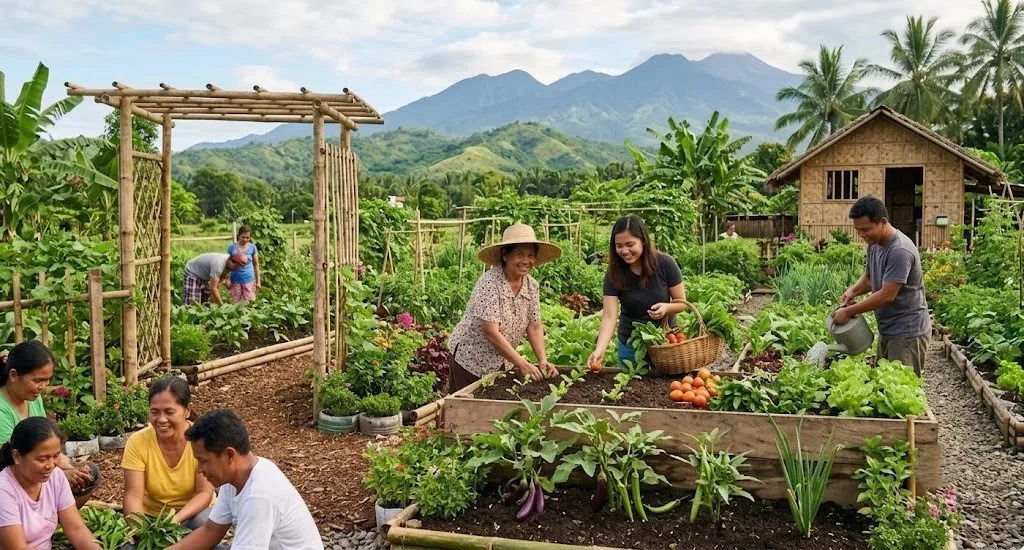
Negros Oriental is known for its rich agricultural resources, scenic rural landscapes, and strong connection to nature. Beyond large-scale farming activities, many communities maintain backyard vegetable gardens that provide fresh produce for household consumption and local markets. These small-scale agricultural spaces reflect sustainable living practices and contribute to environmental awareness. Through their educational, cultural, and ecological value, backyard vegetable gardens support the development of sustainable tourism in Negros Oriental.
Understanding Sustainable Tourism
Sustainable tourism focuses on practices that protect natural resources, support local communities, and promote long-term environmental responsibility. Visitors increasingly seek destinations that demonstrate sustainable lifestyles and environmentally friendly practices. Backyard vegetable gardens offer examples of responsible resource use while allowing tourists to learn about local approaches to food production and self-sufficiency.
Showcasing Local Agricultural Practices
Backyard gardens serve as living demonstrations of traditional and modern cultivation methods. Residents grow a variety of vegetables, herbs, and edible plants using techniques adapted to local environmental conditions. These gardens provide visitors with opportunities to observe agricultural practices that support household food security and sustainable living.
Enhancing Educational Tourism Experiences
Travelers are increasingly interested in educational experiences that provide practical knowledge and cultural insights. Visits to community gardens can introduce tourists to topics such as organic farming, composting, water conservation, and responsible food production. These learning opportunities enrich the visitor experience while promoting environmental awareness.