


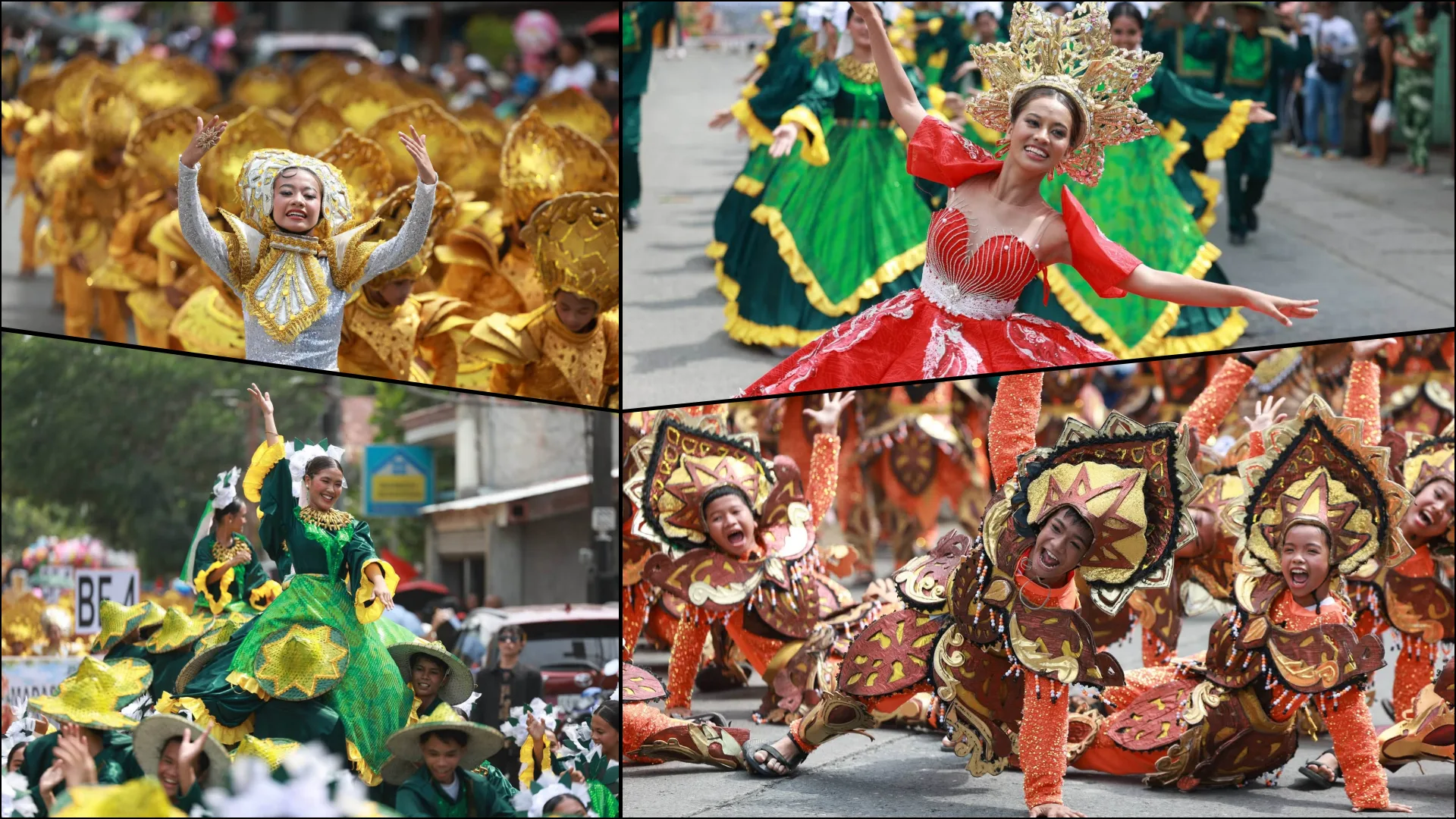
BALAMBAN, Cebu — The municipality of Balamban etched a historic milestone on October 3, 2026, as it successfully staged its first-ever Balang-Balang Festival. Thousands of residents, visitors, and provincial leaders gathered at the Balamban Sports Oval for a celebration of heritage, identity, and community spirit.
A Historic First for Western Cebu
The inaugural festival carried the theme "Balang-Balang Festival: Celebrating the Roots, Spirit, and Future of Balamban." It marked a pivotal cultural transition for the town, showcasing its growth from a quiet coastal settlement into a thriving hub that honors its foundations while marching confidently forward.
Festivities kicked off at 1:00 PM as elementary and secondary school contingents filled the streets for the grand street dancing competition. Dancers wore handcrafted costumes decorated with natural woven fibers, ocean-wave patterns, and metallic accents reflecting the town's industrial legacy. Their synchronized movements captivated spectators along major thoroughfares.
The Meaning Behind Balang-Balang
The festival draws its name from "balang-balang," an old Cebuano term describing the tradition of linking arms to form an improvised human seat. In pre-colonial times, villagers joined hands in this formation to carry leaders, elders, and travelers across deep rivers and treacherous mountain terrain.
More than a practical transportation method, balang-balang symbolizes community solidarity, mutual assistance, and unyielding resilience. By embedding this historical gesture into its festival, Balamban reminds its people that modern progress rests on the enduring principle of holding each other up through every challenge.
The choreography prominently featured symbolic movements where dancers interlocked arms and lifted one another. This visual tribute brought the ancient tradition to life, connecting past generations with present-day celebrants in a powerful display of cultural continuity.
Grand Ritual Showdown and Festival Queen
As twilight fell, crowds gathered at the Balamban Sports Oval for the 7:00 PM Grand Ritual Showdown. Theatrical dance performances depicted Balamban's historical evolution, from agricultural origins and coastal fishing roots to its rise as an industrial stronghold. Spectators filled the venue, cheering for their favorite contingents.
The Festival Queen and Princess Competition added grandeur to the evening, showcasing young women who represented the community's grace, heritage, and civic pride. Their poise and eloquence reflected the town's investment in nurturing confident, culturally grounded youth.
Leaders Celebrate a Milestone
Cebu Governor Pamela Baricuatro and Balamban Mayor Amos Edwin Cabahug joined residents throughout the afternoon and evening events. Governor Baricuatro commended the municipality for establishing a festival that deepens local heritage while fostering civic unity among constituents.
Mayor Cabahug expressed appreciation to student contingents, educators, choreographers, and volunteers whose months of dedication brought the ambitious cultural project to fruition. Their collective effort transformed a vision into a vibrant reality that the entire community could proudly claim.
Where Tradition Meets Modern Industry
Balamban is recognized as the "Shipbuilding Capital of the Philippines," home to world-class facilities along the Tañon Strait that construct massive cargo vessels for global markets. Alongside heavy industry, the town is celebrated for mountain tourism destinations along the Transcentral Highway, including Buwakan ni Alejandra and Mount Manunggal.
The new festival establishes a unified cultural narrative connecting these diverse identity markers. It reminds everyone that behind rapid industrial expansion and eco-tourism popularity lies a tight-knit community rooted in mutual support. As fireworks illuminated the night sky, Balamban ushered in a bold new chapter of cultural celebration for western Cebu.
