


Choosing Roof Materials That Reflect Heat
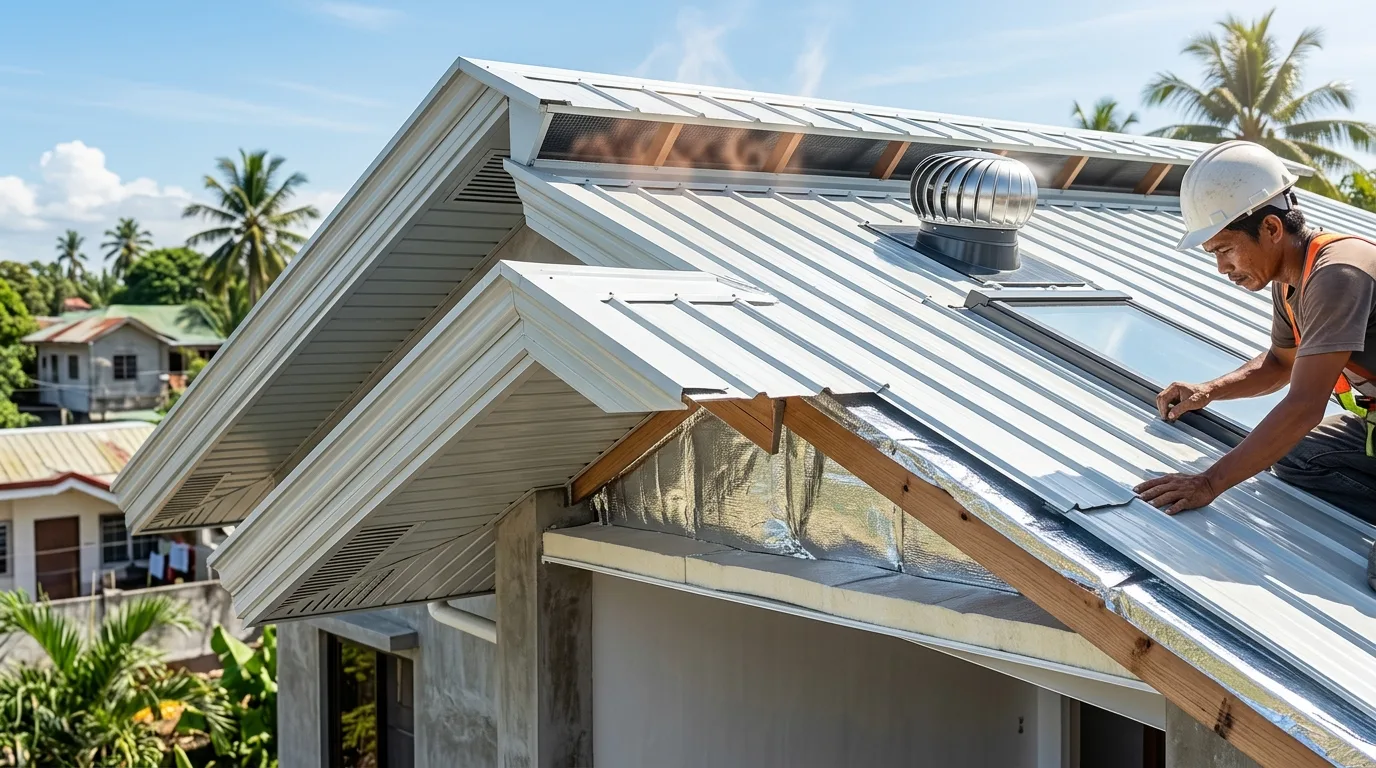
BACOLOD - The materials and colors used for roofing can affect how much solar heat a house absorbs. Light-colored and reflective roofing surfaces generally absorb less sunlight than darker alternatives, helping reduce heat buildup on the roof. Homeowners can also consider insulated roofing systems and materials designed for tropical conditions. Choosing durable products that can withstand strong sunlight, heavy rain, and humidity helps maintain both indoor comfort and long-term roof performance.
Using Roof Ventilation to Release Trapped Heat
Good roof ventilation allows hot air trapped beneath the roofing system to escape while helping fresh air circulate through the space. Features such as ridge vents, soffit vents, and properly designed roof openings can support this movement of air. When combined with ceiling insulation, these features help limit the transfer of heat into living areas. Proper placement and sizing are important, however, because ventilation systems must also protect the home from rainwater intrusion, pests, and moisture problems.
Designing Roof Shapes for Tropical Conditions
Roof shape and slope also play important roles in tropical architecture. Sloping roofs help rainwater drain efficiently, while extended eaves provide shade for windows, walls, and outdoor areas. These features can reduce direct sunlight exposure and help protect exterior surfaces from heavy rainfall. Architects can further improve comfort by considering building orientation, ceiling height, and surrounding shade when planning a roof. Combining these elements creates a home that responds more effectively to the region's warm and rainy climate.
