


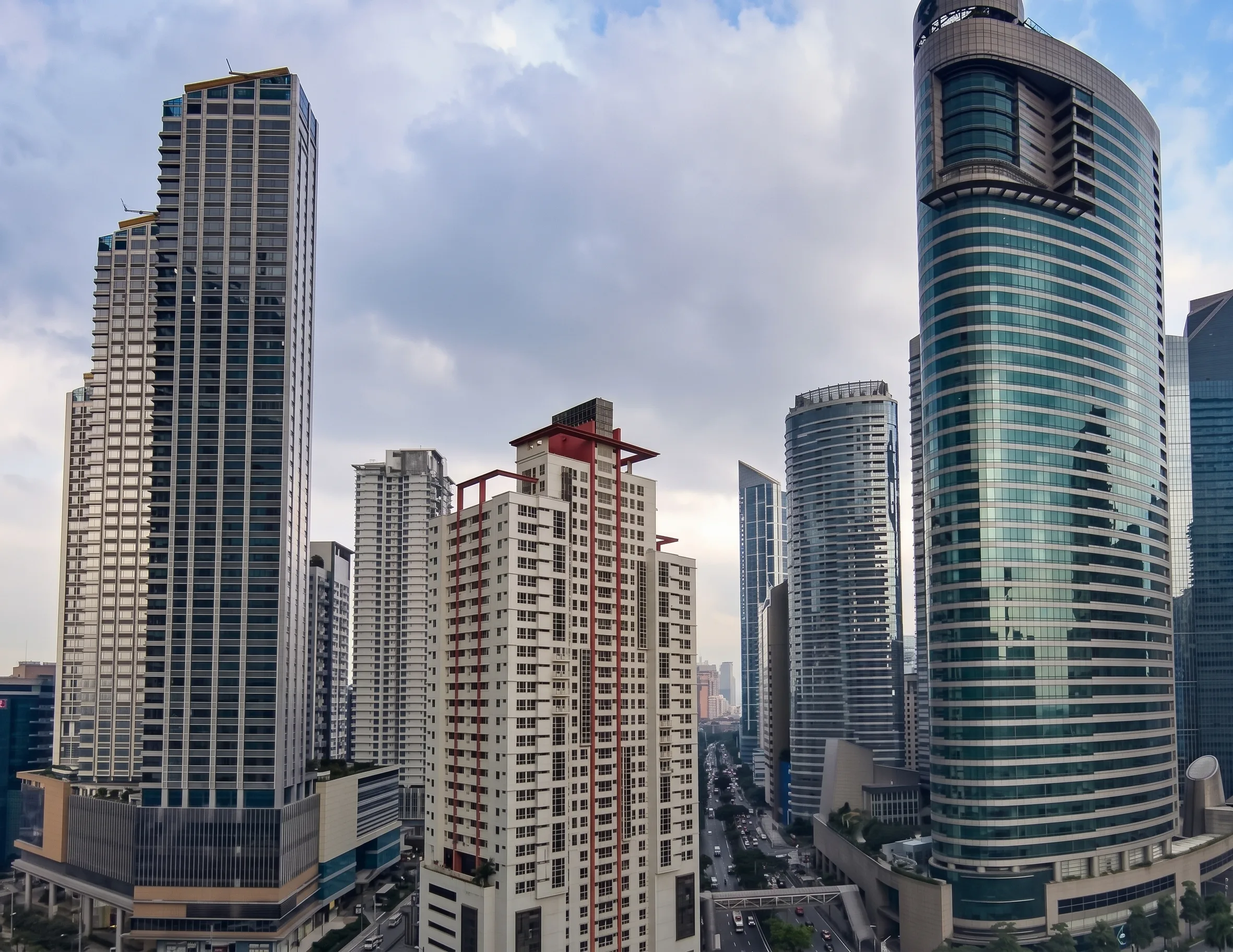
MAKATI CITY — Makati often gets summed up by its skyline, gleaming towers, busy intersections, the relentless pulse of the country's financial center. But that image only tells part of the story. Beyond the glass and concrete, Makati has quietly become one of Metro Manila's most layered destinations, offering visitors a mix of art, food, and walkable urban spaces that few other districts can match. Here are three reasons why the city deserves a spot on any itinerary.
A Cultural Powerhouse in the Heart of the Metro
Makati has built a cultural ecosystem that spans museums, public art, and year-round programming. The Ayala Museum anchors the district with six floors of Filipino history, art, and craftsmanship, including the extraordinary Gold of Ancestors exhibition featuring over 1,000 pre-colonial gold objects dating from the 10th to 13th centuries. Beyond museum walls, Ayala Land's Art Walk brings installations and performances into everyday spaces, from the Paseo pedestrian underpass to Circuit Makati. The International Dance Day Fest, held at the Samsung Performing Arts Theater, has positioned Makati as a critical site for professional dance and global artistic exchange. For visitors, this means cultural experiences are not confined to ticketed venues—they are woven into the city's streets and public spaces.
A Dining Scene That Spans Every Craving
Makati's restaurant landscape is unusually dense and diverse. Ayala Triangle Gardens alone hosts a curated mix of chef-driven concepts, from Chef Josh Boutwood's two-Michelin-starred Helm to the art-deco charm of Blackbird, housed in the historic Nielson Tower. Japanese, Thai, Cantonese, Filipino, and Middle Eastern options sit alongside each other, making the area a compact but electrifying hub for serious eaters. Beyond the Triangle, neighborhoods like Poblacion have developed their own identity as creative dining enclaves, while weekend markets in Salcedo and Legazpi Villages offer casual, community-driven food experiences.
A City Built for Walking
Perhaps Makati's most underrated asset is its walkability. The city has increasingly become part of conversations around the "15-minute city," a planning concept where daily essentials are accessible within a short walk, bike ride, or commute. A 2025 study identified Makati as a potential local model for this approach, citing its compact urban form and pedestrian-oriented spaces. The district is connected by Southeast Asia's longest underground pedestrian network—approximately two kilometers of tunnels linking business towers, malls, and transit hubs—alongside the 1.1-kilometer De la Rosa Elevated Walkway. For visitors, this means moving between a museum, a restaurant, and a park without ever stepping into traffic.
