Bohol — To combat the potential impact of the ongoing El Niño dry spell, the Bohol Office of the Provincial Agriculturist (OPA) is encouraging families to embrace home food production using drought-resistant crops. Experts advocate for permaculture practices, where gardens are designed to function like natural ecosystems to conserve water and maximize harvests in limited spaces. By planting "rice-extender" crops like sweet potatoes, taro, and yams, households can reduce their reliance on expensive agricultural inputs while ensuring food stability during the dry months. This community-driven approach promotes self-sufficiency and sustainable land stewardship as viable solutions to climate-related agricultural challenges.
Designing Resilient Home Ecosystems
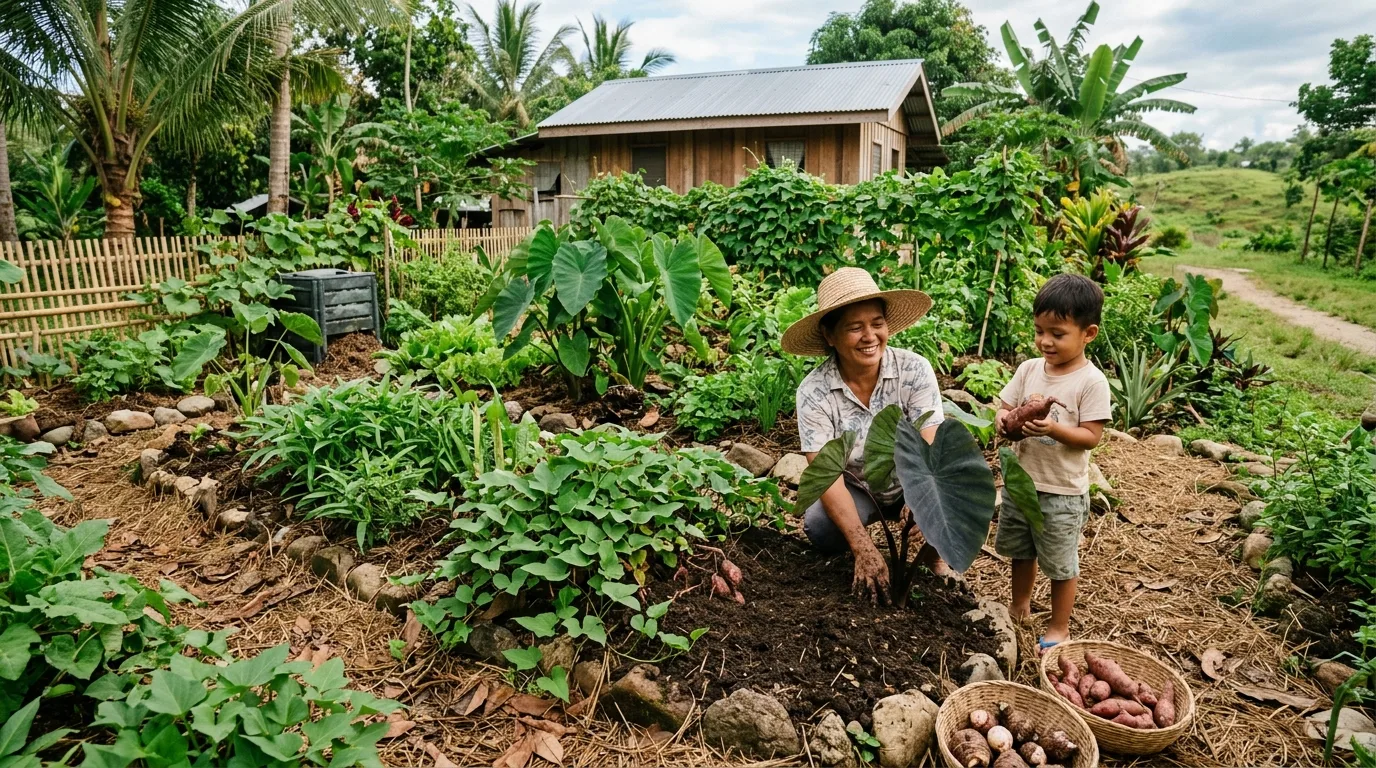
Agricultural experts are promoting permaculture techniques that turn residential gardens into self-sustaining, water-efficient ecosystems. These designs mimic natural growth cycles, allowing plants to support one another while minimizing the need for frequent manual watering. By creating these micro-environments, families can maximize their harvest yields even within the limited space of an average backyard. This approach transforms static gardens into productive assets that are specifically optimized to withstand the harsh conditions of the dry season.
Cultivating Nutritious "Rice-Extender" Crops
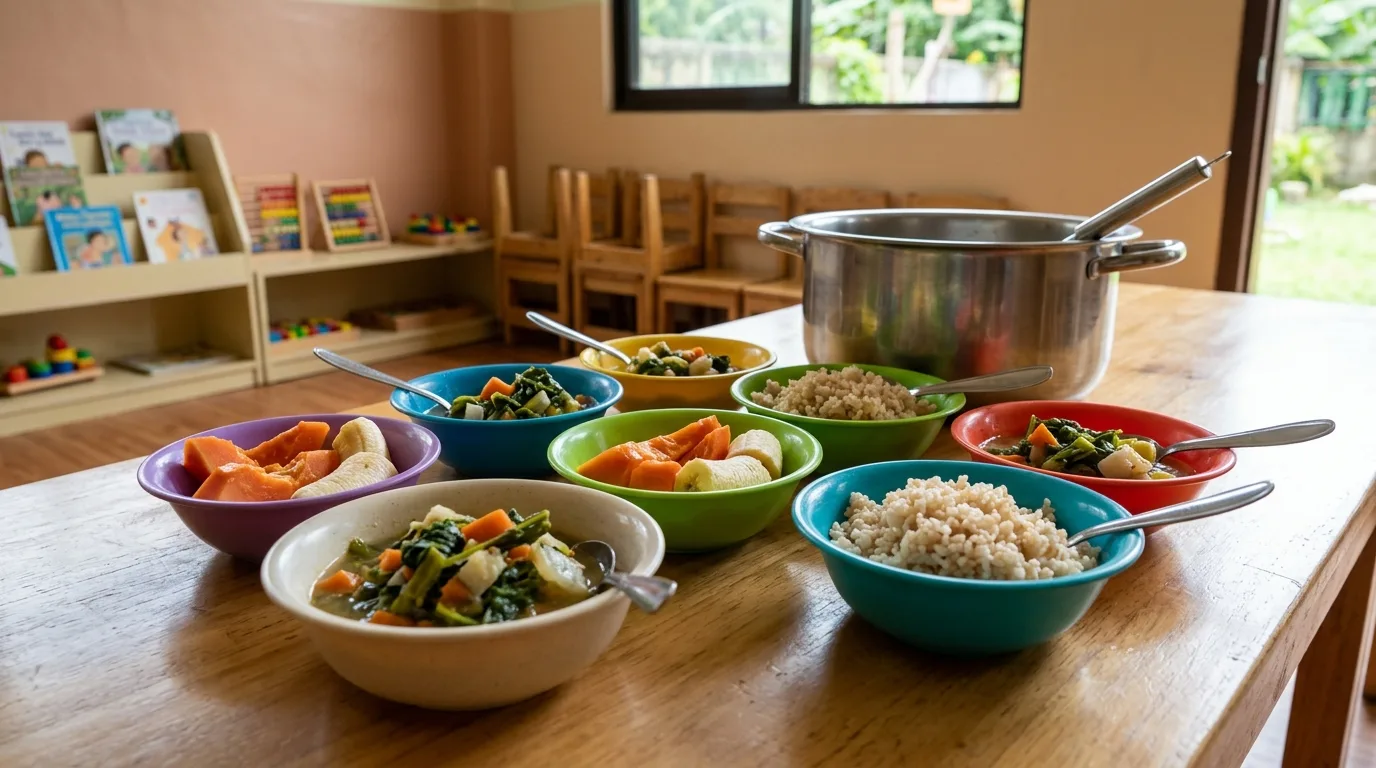
The core of this initiative involves the widespread planting of hardy crops such as sweet potatoes, taro, and yams. These "rice-extender" staples are selected for their durability and high nutritional value, providing reliable calorie sources when grain supplies might be affected by drought. Relying on these resilient varieties allows households to bypass the rising costs of commercial agricultural inputs, such as chemical fertilizers and specialized seeds. By integrating these crops into their daily diets, Boholano families gain a level of self-sufficiency that directly combats food price volatility.
Championing Sustainable Land Stewardship
This campaign is fundamentally about shifting the perspective of local land use toward long-term environmental and personal responsibility. Teaching residents how to manage their soil and water effectively creates a culture of stewardship that persists long after the El Niño phenomenon subsides. As more households adopt these permaculture principles, the cumulative effect strengthens the food security profile of the entire province. This initiative demonstrates that meaningful climate adaptation can start in the backyard, providing a blueprint for resilient living across the island.