


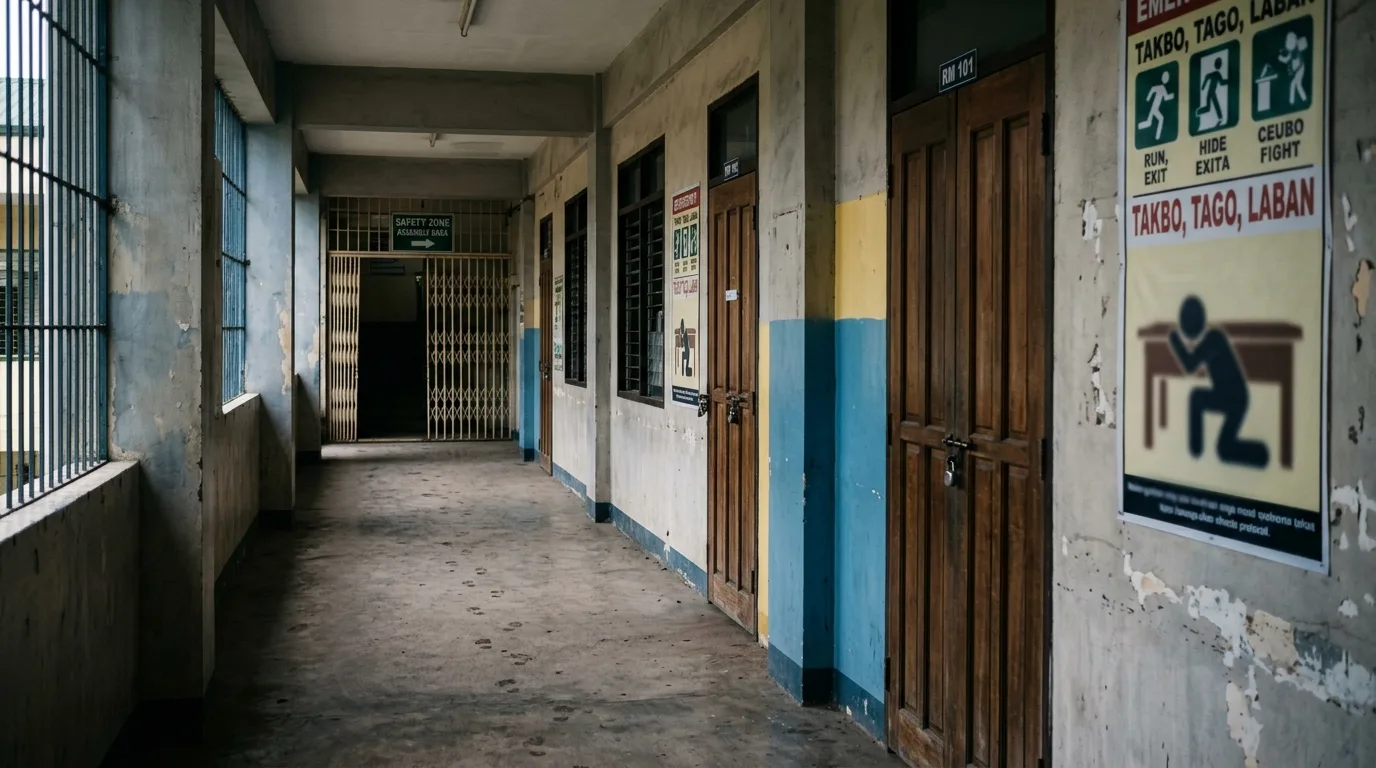
Cebu — In a major shift toward campus safety, the Department of Education (DepEd) has announced that it will soon roll out mandatory "active shooter drills" for public schools across the Philippines. This initiative follows the tragic shooting incident at San Jose National High School in Tacloban City on June 22, 2026, which resulted in three deaths and multiple injuries. By formalizing these response protocols, the government aims to ensure that students, teachers, and school personnel are equipped with the knowledge needed to survive an unprecedented crisis, treating active shooter preparedness with the same urgency as earthquake or fire safety exercises.
New Protocols for Unprecedented Threats
Education Secretary Sonny Angara confirmed that the drills will officially launch this Friday, serving as the first nationwide effort to prepare schools for violent on-campus incidents. Unlike natural disasters, where the standard procedure is to evacuate, active shooter protocols will focus on specific actions—such as "run, hide, fight"—designed to keep learners safe while avoiding the line of fire. The DepEd is working closely with the Philippine National Police (PNP) to standardize these automatic protocols, ensuring that every school has a clear, actionable plan to respond when a threat is detected. While Baguio City has already begun piloting these drills, the national rollout signifies a shift toward a uniform security standard across all divisions.
Collaboration and Community Responsibility
This nationwide security overhaul extends beyond just drills; the DepEd has also ordered a comprehensive review of all existing school safety guidelines, including anti-bullying measures and mental health support programs. Recognizing that many crises stem from behavioral challenges that escalate over time, officials are emphasizing the role of families, local government units, and communities in identifying warning signs early. The PNP is also exploring tighter access controls for large campuses, including limiting entry and exit points to improve security monitoring. By integrating these law enforcement strategies with school-based safety awareness, the government hopes to create a multi-layered defense system that protects both learners and education workers.
Addressing the Root of School Insecurity
While the government focuses on emergency response, groups like the Alliance of Concerned Teachers (ACT) have stressed that preparedness is only one piece of the puzzle. They argue that the DepEd must prioritize systemic prevention by addressing issues such as underinvestment in mental health services, staff shortages, and the "culture of impunity" that can breed insecurity. Critics point out that drills alone cannot solve the root causes of campus violence, which may involve online grooming, systemic academic pressures, or lack of support for students at risk. As the DepEd moves forward with its safety drills, the challenge remains to balance these necessary reactive measures with proactive social programs that keep schools as genuine "zones of peace."
