


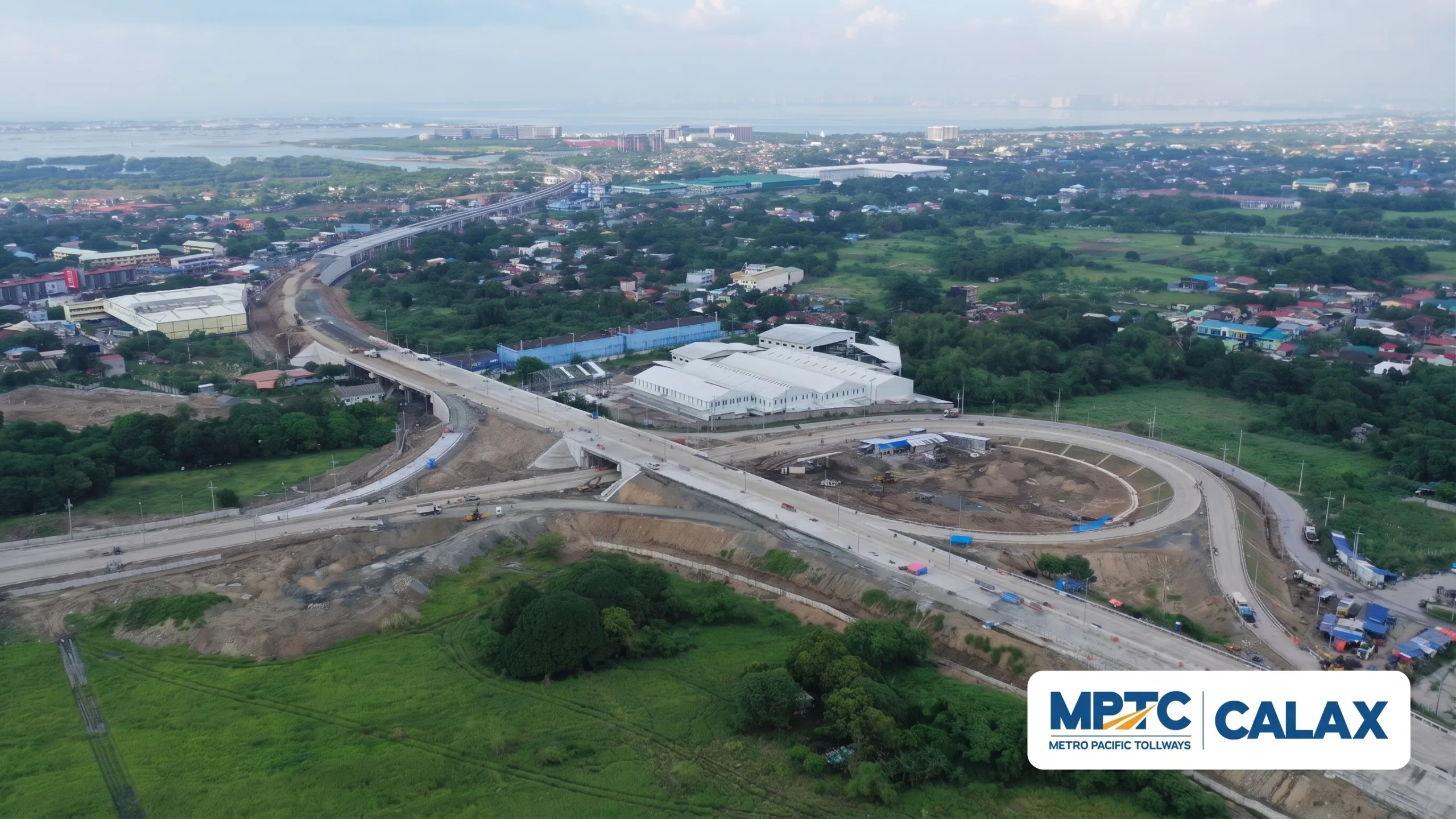
CAVITE, PHILIPPINES — For years, the major expressways of Southern Luzon have operated as powerful, yet disconnected, transport channels. To the east, the South Luzon Expressway (SLEX) serves as the primary landlocked artery feeding the industrial zones of Laguna and Batangas. To the west, the Cavite Expressway (CAVITEX) skirts along the edge of Manila Bay, moving coastal traffic into the capital. The space between them, however, has historically remained a challenging labyrinth of local provincial choke points, forcing motorists to negotiate heavy urban bottlenecks just to travel from one highway network to the other. That structural divide is about to disappear. The latest engineering updates reveal that the massive PHP35.7 billion Cavite-Laguna Expressway (CALAX) has entered its final countdown, pushing construction crews to stitch the final kilometers of asphalt directly into the coastal network.
The Final Theater of Operations: Kawit and Open Canal Interchanges
The most critical theater of operation right now sits at the far western end of the project alignment: the CALAX Kawit Interchange. This grand terminus serves as the definitive point where the mountain-and-valley highway alignment finally sweeps down toward the sea to lock hands with the coastline via CCLink. The ongoing roadworks at this interchange are specialized and highly strategic. Crews are focus-building the structural loops and ramps that will merge fast-moving vehicles safely into the CAVITEX network. At the same time, a few kilometers inland, the CALAX Open Canal Interchange has marked a massive milestone, with mainline concrete pavement works now substantially complete. Seeing heavy machinery lay down the final expanses of smooth, durable concrete at Open Canal is tangible proof that the project is no longer a collection of architectural blueprints—it is now a drivable roadway.
A Hyper-Efficient Land Bridge Connecting Two Major Expressways
The geography of these two interchanges tells the real story of the project's macroscopic goal. By completing the paved stretch from Open Canal and interlocking it with the coastal ramps of Kawit, CALAX is building a hyper-efficient land bridge. When the final barriers are dropped, a vehicle traveling from the deep tech hubs of Biñan, Laguna will be able to fly across the Cavite landscape on elevated, modern lanes, bypassing local traffic entirely before smoothly rolling onto the coastal expressway toward Manila. This connection will dramatically reduce travel time for commuters, logistics trucks, and businesses that have long relied on congested local roads to move between the two expressways, effectively knitting together the industrial corridors of Laguna and the coastal communities of Cavite into a seamless transportation network.
The Finish Line in Plain Sight
The closing chapters of major infrastructure projects are often the most complex, requiring precise coordination between structural engineers, local governments, and environmental teams. But as asphalt officially meets the ocean in Kawit, the finish line for Southern Luzon's most anticipated transportation interlock is finally in plain sight. This development follows the earlier opening of CALAX Subsection 3, which connected the Silang Interchange to the Governor's Drive Interchange in General Trias City, reducing travel time between Biñan, Laguna, and General Trias from one hour to approximately 26 minutes. Once fully completed, the entire CALAX-CAVITEX network is projected to serve up to 95,000 vehicles per day, acting as a regional backbone for trade and mobility in Southern Luzon and unlocking new opportunities for economic growth, tourism, and investment across the province.
