


Turning a School Campus Into a Working Example
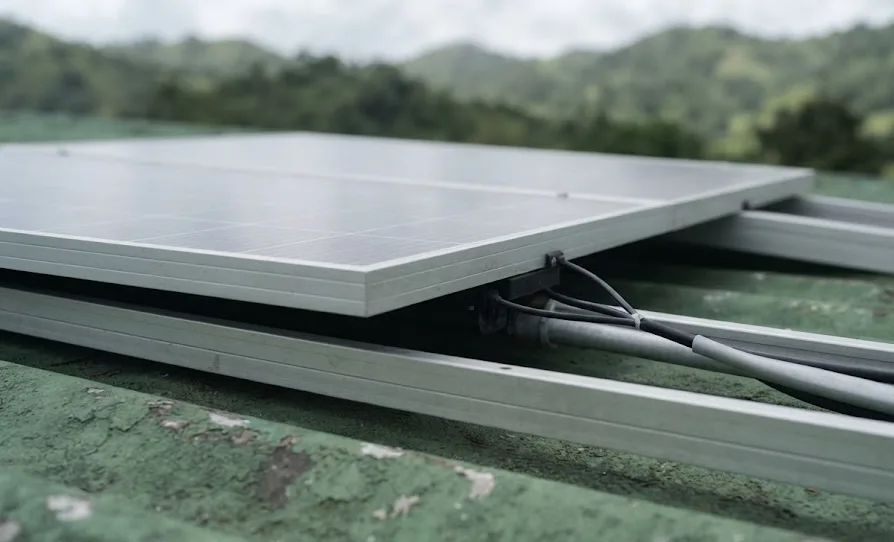
GENERAL SANTOS CITY - Holy Trinity College of General Santos City signed a partnership and contract with CARK Energy on August 17 for the installation of solar power systems in all buildings on its campus. The college described the initiative as part of its effort to pursue a more sustainable and energy-efficient future. The project is particularly interesting because the proposed solar systems are not limited to one facility or a demonstration area; the agreement covers all HTC buildings. That makes renewable energy part of the institution’s physical infrastructure. The college announced the partnership during its continuing IZN Festival activities, which also place attention on the Sustainable Development Goals.
Sustainability Moves From Posters to Practice
Educational institutions can teach environmental responsibility in many ways, but infrastructure can provide a different kind of lesson. A solar installation is something students and employees can see as part of their ordinary surroundings, connecting sustainability discussions with an actual energy system. Holy Trinity College has linked the project to several Sustainable Development Goals, including affordable and clean energy, sustainable cities and communities, responsible consumption, climate action, and quality education. The college has also been conducting its IZN Festival, which includes activities focused on the SDGs and student innovation. In that setting, the solar project gives the institution another practical example of how environmental goals can be incorporated into campus operations.
A Small Campus Decision With a Wider Lesson
The General Santos project also fits into a broader movement toward renewable-energy development in Mindanao, although the college installation should not be confused with utility-scale power projects. The Department of Energy's 2026 indicative project list includes an agrovoltaic solar project proposed in General Santos City with a planned capacity of 180 megawatts, targeted for testing and commissioning in 2027. That is a separate development and is mentioned only as wider context. Holy Trinity College's initiative is much more immediate and institution-specific: it involves powering school buildings through solar systems. Its value can therefore be measured at the campus level, where students can encounter renewable-energy technology as part of their everyday educational environment.
