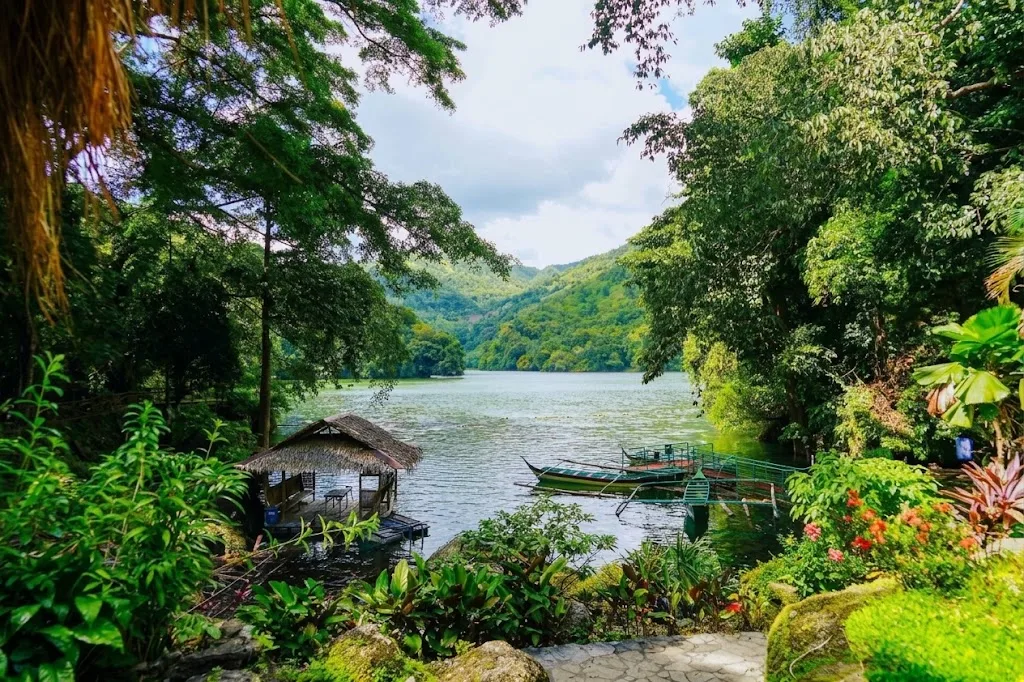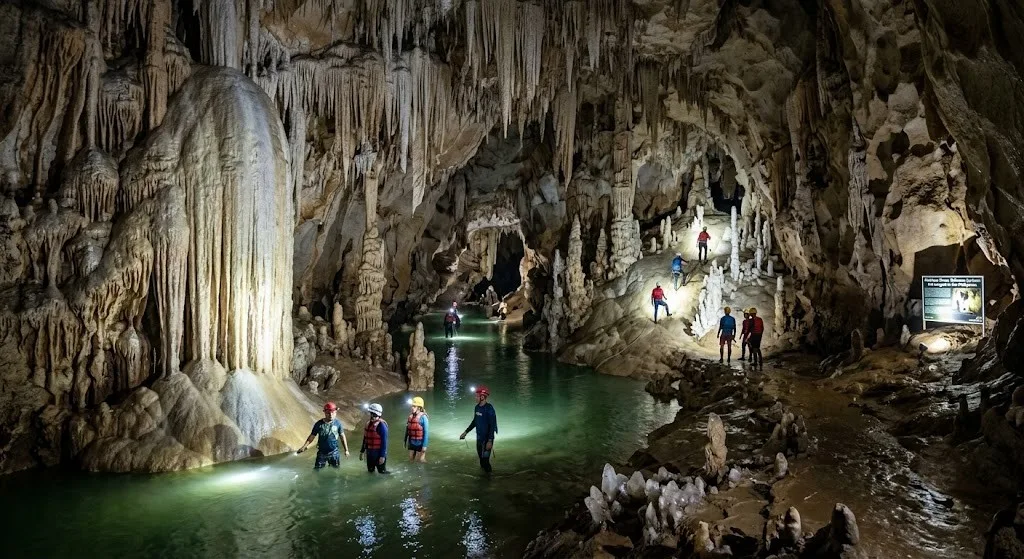
Negros Oriental is known for its diverse natural landscapes, including mountains, forests, rivers, waterfalls, and coastal environments. Beneath these landscapes are underground formations that provide opportunities for exploration and scientific discovery. Cave exploration, also known as speleology when approached as the scientific study of caves, offers visitors a distinctive form of adventure and nature-based tourism. Through the exploration of underground environments, caves can contribute to the development of speleological tourism in Negros Oriental while encouraging appreciation for geological and ecological heritage.
Understanding Speleological Tourism
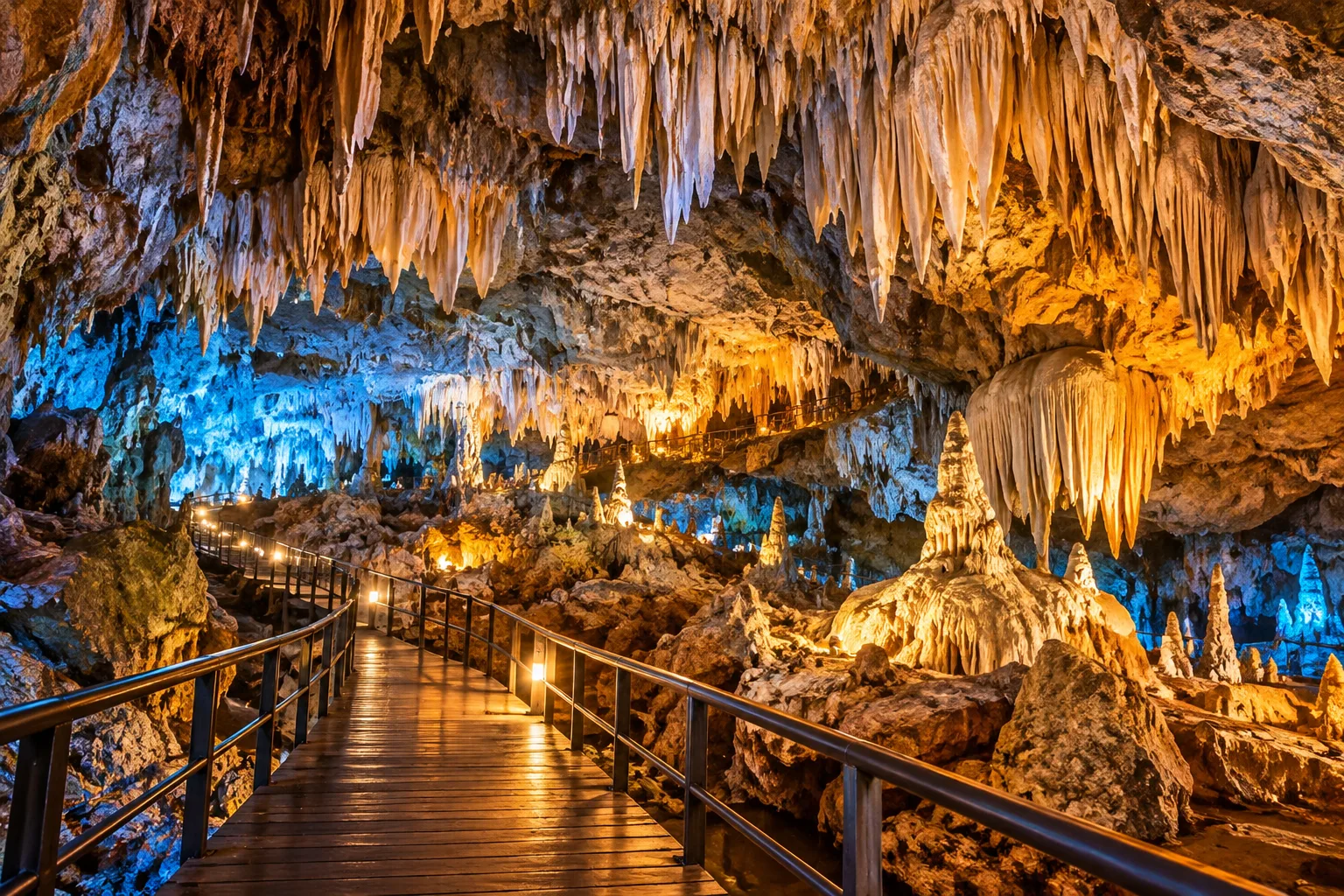
Speleological tourism involves visiting and exploring caves for recreational, educational, scientific, and cultural purposes. Unlike conventional sightseeing, cave tourism allows visitors to experience underground environments characterized by rock formations, passages, chambers, underground streams, and unique ecological conditions. These environments provide opportunities for both adventure and learning.
Showcasing Geological Heritage
Caves contain geological features that develop over long periods through natural processes. Stalactites, stalagmites, limestone walls, underground chambers, and other formations provide evidence of geological activity and environmental change. Exploring these features allows visitors to appreciate the natural history of Negros Oriental and understand how landscapes develop over time.
Providing Unique Adventure Experiences
Cave exploration offers a different type of adventure compared with beach activities or conventional hiking. Visitors may navigate narrow passages, climb over rocks, cross underground streams, or enter large chambers. These experiences create a sense of exploration and discovery that appeals to travelers seeking less conventional tourism activities.