CHINA — A Cebu delegation led by PPSK President Loren Singco has returned from a five‑day study tour in Guangxi, China, where they explored artificial intelligence, emergency safety, and smart city innovations. The visit aimed to bring home ideas that could sharpen Cebu’s economic competitiveness and public service delivery.
A Youth‑Led Mission for Tomorrow’s Cebu
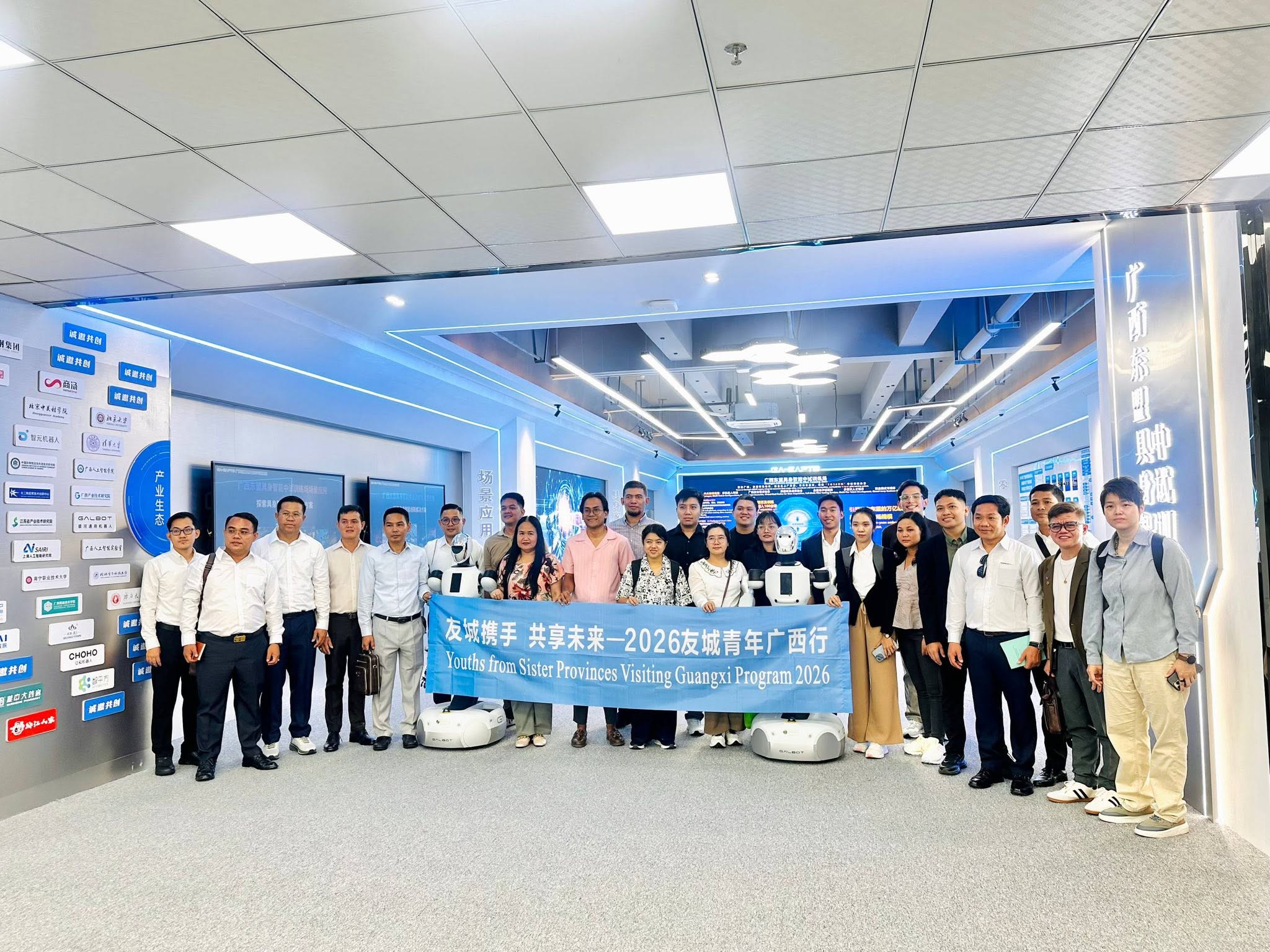
Singco represented Governor Pamela Baricuatro in the “Friends of China Young People’s Trip to Guangxi,” joining delegates from Cambodia, Indonesia, Malaysia, Myanmar, and Laoag City. The tour was designed to expose emerging leaders to cutting‑edge technology and governance models. By sending a youth leader, Cebu signaled its intent to prepare the next generation for a tech‑driven economy.
The itinerary mixed high‑tech site visits with cultural and diplomatic exchanges. Participants were welcomed by Guangxi officials who emphasized the value of deepening ASEAN‑China ties. For Cebu, the experience was both an education in innovation and an investment in future leadership.
Inside China’s AI Engine Room
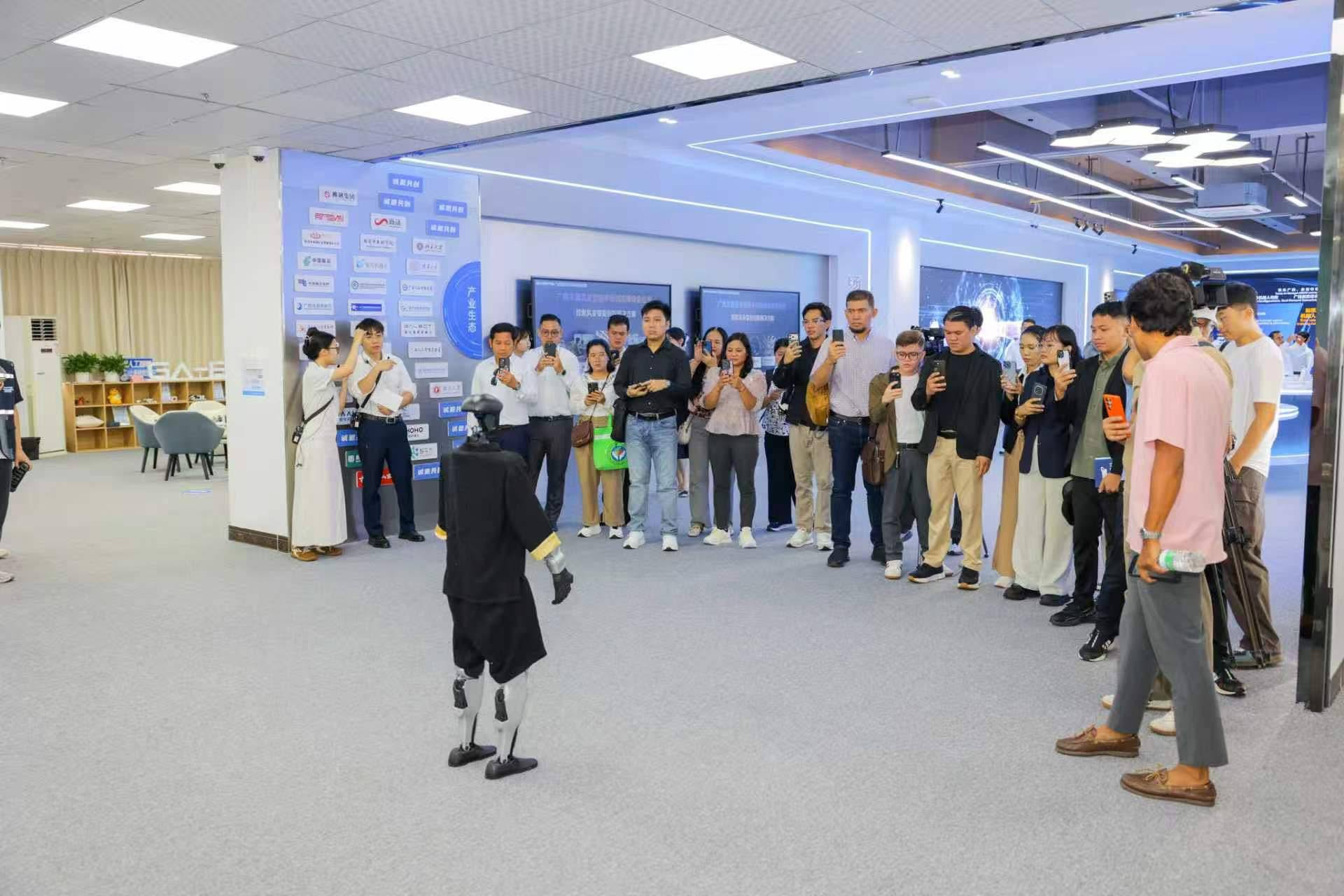
One highlight was the Guangxi‑ASEAN Embodied AI Pilot Training Base and the China‑ASEAN Artificial Intelligence Application Cooperation Center in Nanning. These facilities are part of a 7.78‑square‑kilometer core zone designed as a joint hub for ASEAN nations. The delegation witnessed demonstrations of how AI is being deployed in agriculture, logistics, healthcare, and public administration.
The AI hub has already signed over 60 major projects, with at least 16 originating from ASEAN countries. More than 450 AI application scenarios have been collected, and 84 real‑world solutions are now active across six sectors. Observing these advancements gave the Cebu team a concrete picture of what is possible when AI is embedded into local government operations.
Learning Safety from Disaster‑Ready Systems
At the Guangxi Emergency and Safety Education Center, delegates examined state‑of‑the‑art emergency preparedness programs. The facility integrates AI‑powered monitoring systems that can predict flooding, automate disaster response, and coordinate multi‑agency rescue efforts. These are exactly the kinds of tools that could strengthen Cebu’s own disaster risk reduction programs.
The center also showcased embodied AI — artificial intelligence built into physical machines such as inspection robots and traffic management devices. Municipal applications include automated power‑line patrols and unmanned retail operations. For a province frequently hit by typhoons, the insights offered a roadmap for integrating smart technology into public safety and resilience planning.
Smart City Models Worth Replicating
Beyond safety, the tour introduced the Cebu delegation to smart governance solutions already working in Nanning. AI‑assisted traffic control, automated administrative processes, and data‑driven urban planning are helping the city operate more efficiently. These innovations align with Cebu’s ongoing push toward digital transformation, including online tax payments and electronic business permits.
The collaboration model between Guangxi and ASEAN is designed to be demand‑driven. Partner countries identify their challenges, and the AI hub develops tailored applications. This approach ensures that technology transfers are practical and immediately useful, rather than theoretical. Cebu officials see potential in applying the same model to local challenges in traffic, waste management, and revenue collection.
Strengthening Regional Ties and Investments
The visit carried diplomatic weight as well. It took place during the 35th anniversary of China‑ASEAN dialogue relations, with both sides pushing for deeper economic integration. Guangxi’s role as China’s gateway to Southeast Asia makes it a natural partner for provinces like Cebu looking to attract investment and expand trade.
Deputy Director‑General Rong Xiangqian of the Guangxi Foreign Affairs Office hosted a welcome banquet and stressed the importance of friendship and cooperation. Such people‑to‑people exchanges often pave the way for business missions and joint ventures. Cebu’s participation signals to Chinese investors that the province is open for collaboration, particularly in infrastructure and technology‑driven industries.
Bringing the Future Home
The Cebu delegation returned with more than souvenirs; they brought back a clearer vision of how AI and smart systems can modernize governance. Their immediate task is to translate observations into actionable policy recommendations for the provincial government. The experience underscores the importance of exposing local leaders to global best practices.
With youth at the helm of this mission, Cebu is planting seeds for a future where technology and governance work hand in hand. The lessons from Guangxi could soon appear in Cebu’s traffic systems, disaster protocols, and investment promotion strategies. The study tour may have lasted only five days, but its impact could shape the province for decades.