Negros Oriental is known for its diverse natural and agricultural landscapes, where farming communities, rivers, mountains, and cultivated fields form an important part of the province's identity. Beyond conventional tourist attractions, community irrigation systems represent an often-overlooked aspect of rural life. These systems help distribute water to agricultural areas while shaping the appearance and daily activities of farming communities. Through their connection to agriculture, local livelihoods, and environmental resources, community irrigation systems can contribute to the development of rural landscape tourism in Negros Oriental.
Understanding Community Irrigation Systems
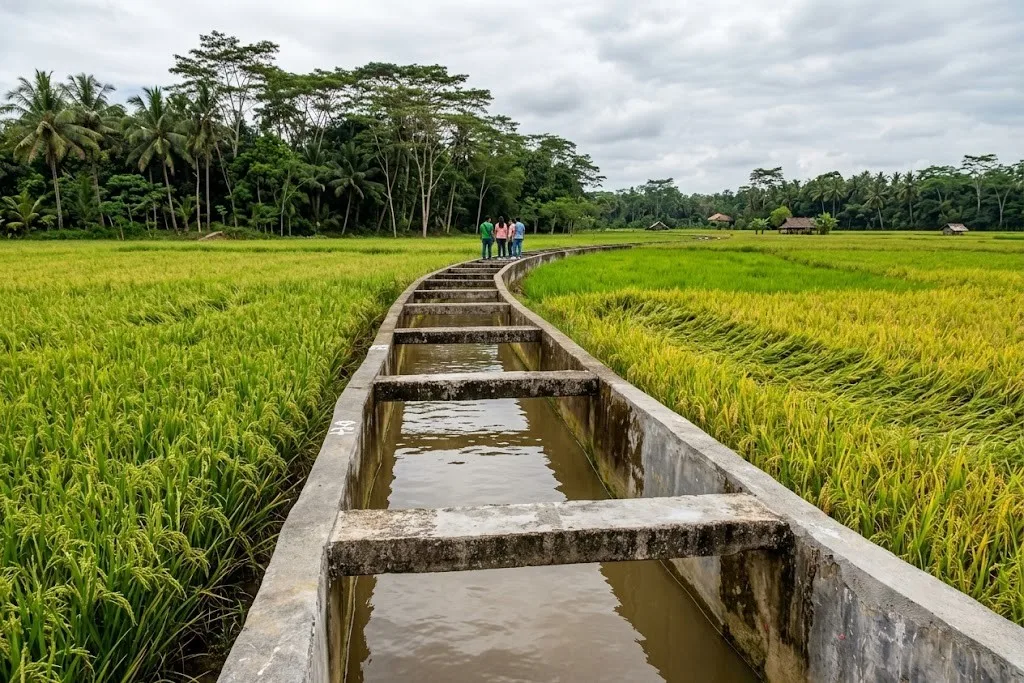
Community irrigation systems are networks that provide water to agricultural land through canals, channels, pipes, reservoirs, and other structures. In farming communities, these systems help ensure that crops receive sufficient water, particularly during periods when rainfall is limited. Their operation often depends on cooperation among farmers who share responsibility for maintaining and managing water resources.
Showcasing Agricultural Landscapes
Irrigation plays an important role in shaping rural landscapes. Water channels can connect fields, farms, rivers, and settlements, creating visually distinctive agricultural environments. Visitors exploring rural areas can observe how irrigation supports cultivated landscapes and contributes to the productivity of farming communities.
Promoting Agricultural Tourism
Agricultural tourism allows visitors to experience farming activities, rural environments, and local food production. Community irrigation systems can complement farm visits by demonstrating how water resources support agricultural production. Tourists can gain a better understanding of the processes that occur before food reaches markets and dining establishments.