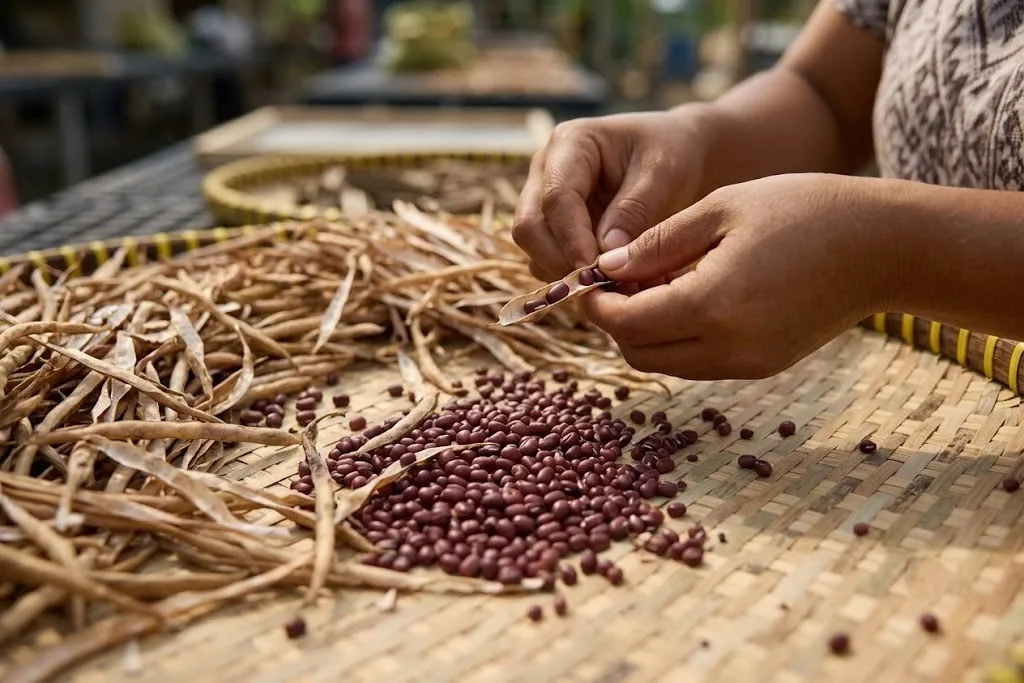
Negros Oriental is known for its diverse agricultural landscapes and rural communities that continue to depend on farming as an important source of livelihood. Beyond the production of crops, farming communities possess traditional knowledge about selecting, storing, exchanging, and replanting seeds. Community seed-saving practices represent an important form of agricultural heritage because they allow farmers to preserve locally adapted plant varieties while passing farming knowledge from one generation to another. These practices also provide opportunities to strengthen sustainable agriculture, cultural preservation, and rural tourism in Negros Oriental.
Understanding Community Seed-Saving Practices
Seed saving involves collecting and preserving seeds from healthy and productive plants for use during future planting seasons. Farmers may select seeds based on qualities such as plant strength, productivity, flavor, resistance to environmental conditions, and suitability to local soil and climate. Within communities, seeds may also be exchanged among farming families, allowing useful varieties and agricultural knowledge to circulate between generations.
Preserving Traditional Agricultural Knowledge
Seed saving is more than simply storing planting materials. It involves knowledge about crop cycles, planting seasons, soil conditions, weather patterns, harvesting, and seed preparation. Farmers who practice traditional seed selection preserve practical knowledge developed through years of agricultural experience. Maintaining this knowledge contributes to the preservation of Negros Oriental's rural cultural heritage.
Protecting Local Crop Diversity
Locally saved seeds can help maintain agricultural biodiversity by preserving varieties that may be particularly suited to local environmental conditions. Crop diversity can provide farming communities with alternatives when environmental conditions change or when particular crops become difficult to produce. Community-based seed preservation therefore contributes to the long-term resilience of local agricultural systems.