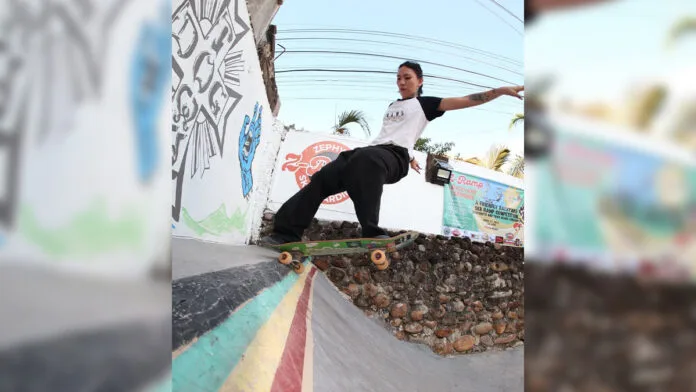
CAGAYAN DE ORO — In the urban landscape of Cagayan de Oro, where rapid development is transforming the city's parks and plazas, a resilient community of skateboarders continues to thrive despite the lack of dedicated, purpose-built skate infrastructure. For years, the "Cagayan de Oro Skateboarding Association" and local enthusiasts have turned public spaces—from the plazas of Divisoria to local covered courts and quiet boulevard stretches—into their own training grounds. These "concrete dreamers" view every curb, ledge, and smooth pavement as an opportunity to master their craft, demonstrating that the heart of skate culture lies not in pristine ramps, but in the grit and camaraderie of its people.
Reimagining Public Spaces as Arenas of Growth
While the city’s ambitious "Lunhaw Project" is currently reshaping downtown areas like Divisoria into inclusive, climate-resilient green zones, skaters have long treated these spots as their natural habitat. In a city where formal skate facilities remain limited, enthusiasts have become masters of adaptation, scouting for "hidden" spots in subdivisions, parking lots, and riverside boulevards that offer the ideal conditions for tricks and maneuvers. This resourceful approach turns the urban environment itself into a playground, proving that the demand for movement and athletic expression cannot be contained by traditional boundaries. By transforming underutilized concrete islands into hubs for social interaction and skill-sharing, these skaters are effectively pioneering their own version of "accessible" urban sports infrastructure.
The Future of Skate Culture in Northern Mindanao
The strength of Cagayan de Oro’s skate scene is sustained by a tight-knit community that prioritizes mentorship over professional amenities. Whether it’s organizing local parades during International Skateboarding Day or sharing tips in online forums to find the safest spots, the local crew continues to grow. There is growing optimism that as the city’s urban renewal efforts expand—including proposed multifunctional parks in the nine-hectare Rotonda area—the voices of these young athletes will be heard. Until then, these skaters continue to push the boundaries of what it means to build a community from the ground up, turning raw concrete into a canvas for their passion and perseverance.