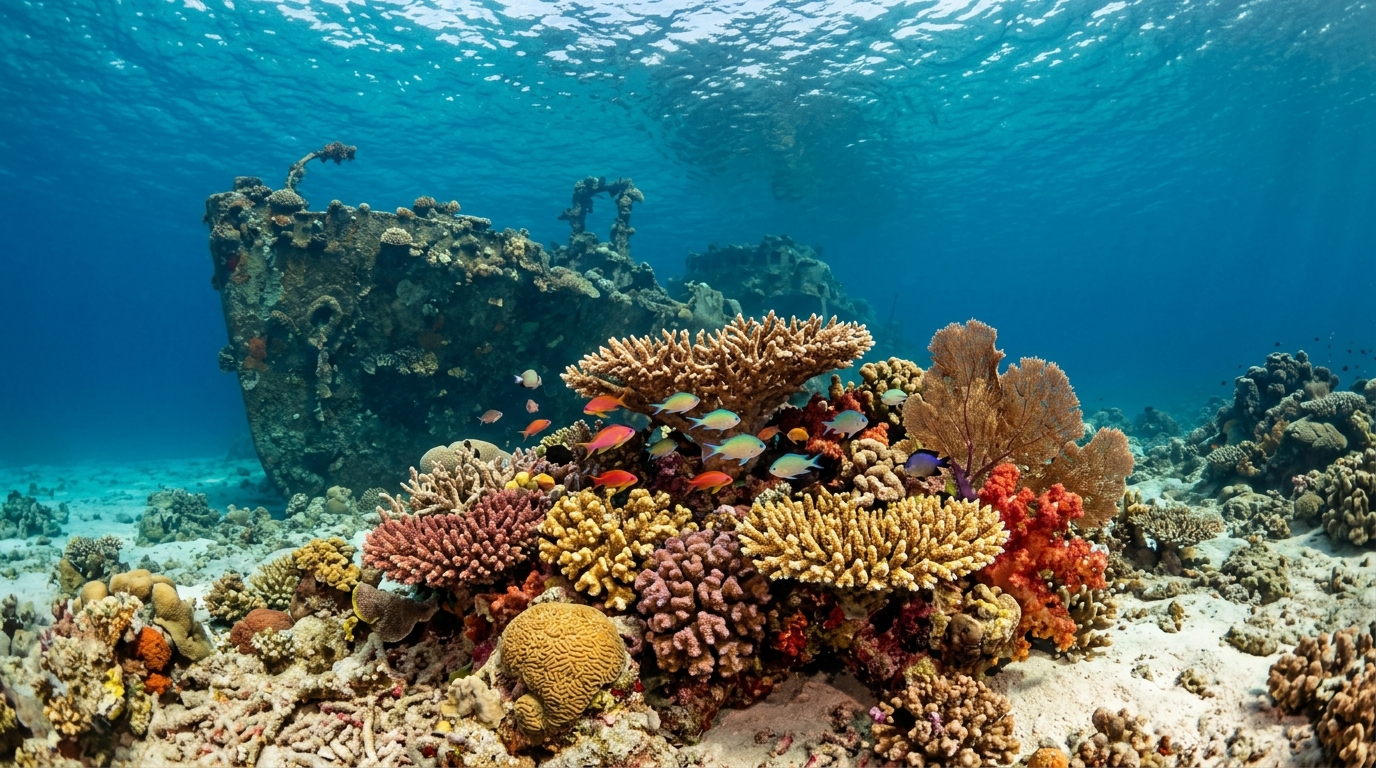
PALAWAN — As underwater tourism continues to grow, Coron is implementing new visitor management strategies to safeguard its world-renowned coral gardens and WWII shipwrecks. Effective late June 2026, local tourism boards are introducing "Marine Etiquette Briefings" for all dive and snorkel operators to mitigate physical contact with delicate reef structures. These proactive steps reflect a broader commitment to ensuring that Palawan’s underwater heritage remains vibrant for the next generation of global divers.
New Strategies for Safeguarding Fragile Underwater Worlds
Coron is widely recognized for its diverse marine life and historic underwater shipwrecks, which require constant attention to prevent ecological degradation from rising visitor traffic. Recent efforts by local officials include the stricter regulation of dive safari routes to ensure that fragile coral formations are not disturbed by high volumes of boat anchors or diver contact. These strategies focus on "education-first" tourism, where enthusiasts are briefed on marine behavior before they even enter the water. By prioritizing the health of the reefs, the region remains a top-tier destination for serious conservationists and nature lovers.
Expanding Professional Standards for International Dive Markets
The regional tourism department has expanded its promotional campaigns to reach global audiences through specialized dive tourism marketing and B2B partnerships. These efforts highlight the professional standards of local dive operators in Busuanga and Coron, demonstrating that the province adheres to international safety and environmental guidelines. By showcasing this commitment, the region is successfully positioning itself as a top choice for environmentally conscious travelers. This strategic marketing ensures that visitors come for the quality of the dive, knowing their presence supports a healthy, regulated marine environment.
Collaborative Approaches to Maintaining Marine Health Success
Effective marine management in Coron relies heavily on the cooperation of local residents and boat operators who act as the primary stewards of the reef. These stakeholders are participating in ongoing workshops that emphasize how sustainable tourism translates into long-term economic stability for their families. As visitor interest continues to rise throughout 2026, this collaborative approach ensures that the ecosystem is never sacrificed for short-term gain. The resulting stability keeps the reefs thriving, which in turn continues to draw high-value visitors back to the Calamianes islands year after year.