


Learning Local Recipes Can Make Travel More Personal
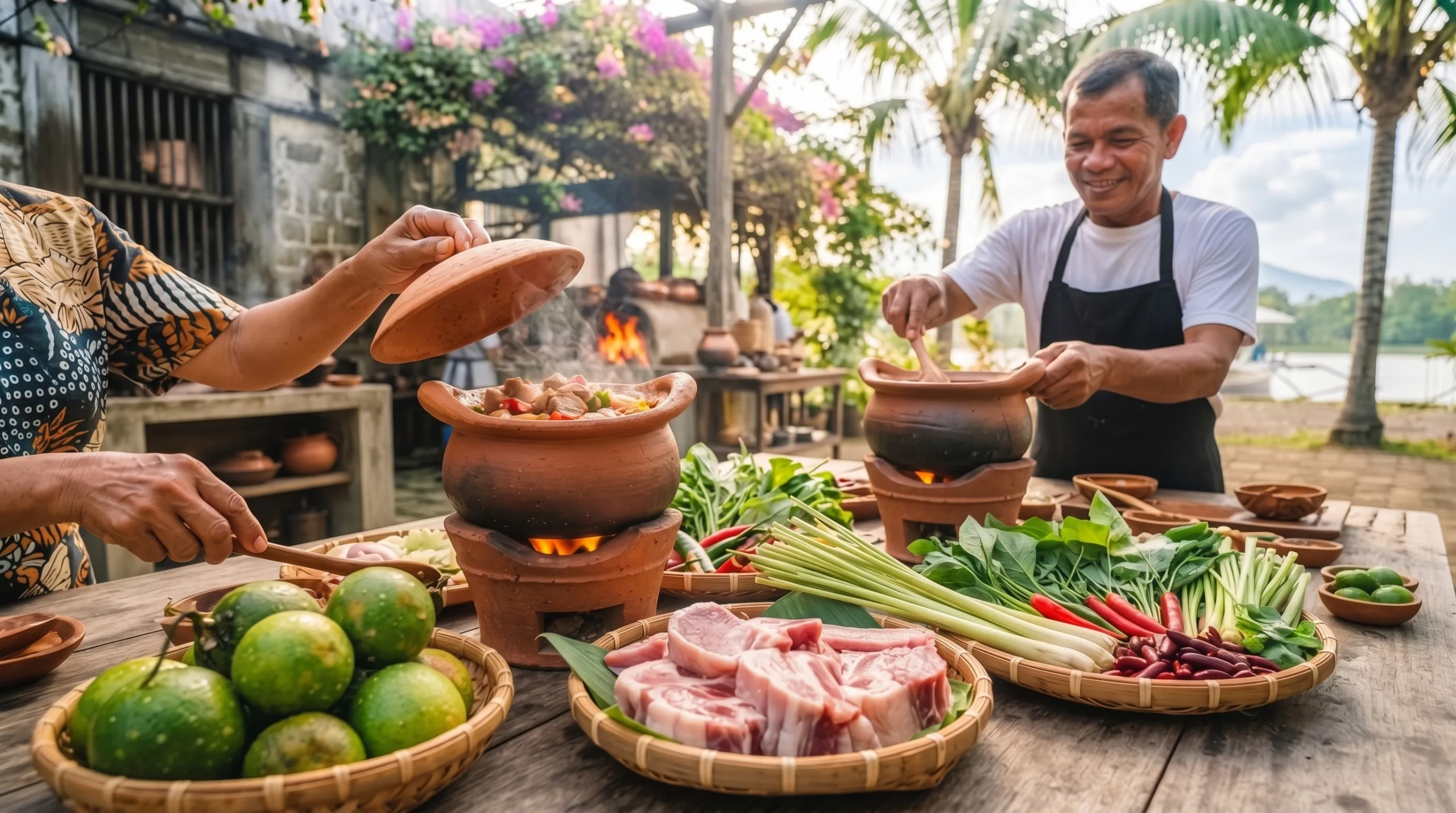
BACOLOD - Cooking classes allow visitors to move beyond tasting a dish and discover the techniques behind its preparation. A session focused on chicken inasal, for example, could introduce participants to marinating, grilling, seasoning, and preparing dipping sauces. Other classes could explore cansi, traditional rice cakes, or local desserts while explaining the ingredients and food customs associated with each recipe. In Bacolod, where food is closely connected to family gatherings and celebrations, these activities could turn a meal into a memorable learning experience. Participants could also take home written recipes and practical skills that allow them to recreate familiar Negrense flavors after their visit.
Local Ingredients Can Connect Kitchens With Communities
A cooking class can also introduce visitors to the ingredients that shape regional cuisine. Fresh produce, local rice, native chicken, seafood, herbs, and traditional seasonings can provide starting points for lessons about sourcing, preparation, and flavor. Experiences could include visiting a public market before cooking, learning how ingredients are selected, or discussing how local producers contribute to the region's food culture. The provincial cookbook project Halin sa Kusina documents food stories and heirloom recipes from Negros Occidental, while culinary gatherings such as Terra Madre Visayas have brought together farmers, cooks, food producers, and other participants around local food traditions. These examples show how culinary education can connect food preparation with the wider community.
Cooking Workshops Could Create Opportunities for Local Businesses
Cooking classes could become another activity for visitors exploring Bacolod's food scene, especially when offered by culinary schools, chefs, cafés, community kitchens, or experienced home cooks. Existing providers such as Chefs & Bakers PH offer hands-on culinary workshops in Bacolod, showing that structured cooking education is already available in the city. Future visitor-focused sessions could be designed for beginners, families, couples, or small groups, with options ranging from baking and beverage preparation to regional dishes. Clear pricing, food safety practices, suitable facilities, and advance reservations would help organizers create a comfortable experience. By combining practical instruction with stories about local ingredients and traditions, cooking classes could support culinary tourism while giving visitors a more active connection to Bacolod's food culture.
