


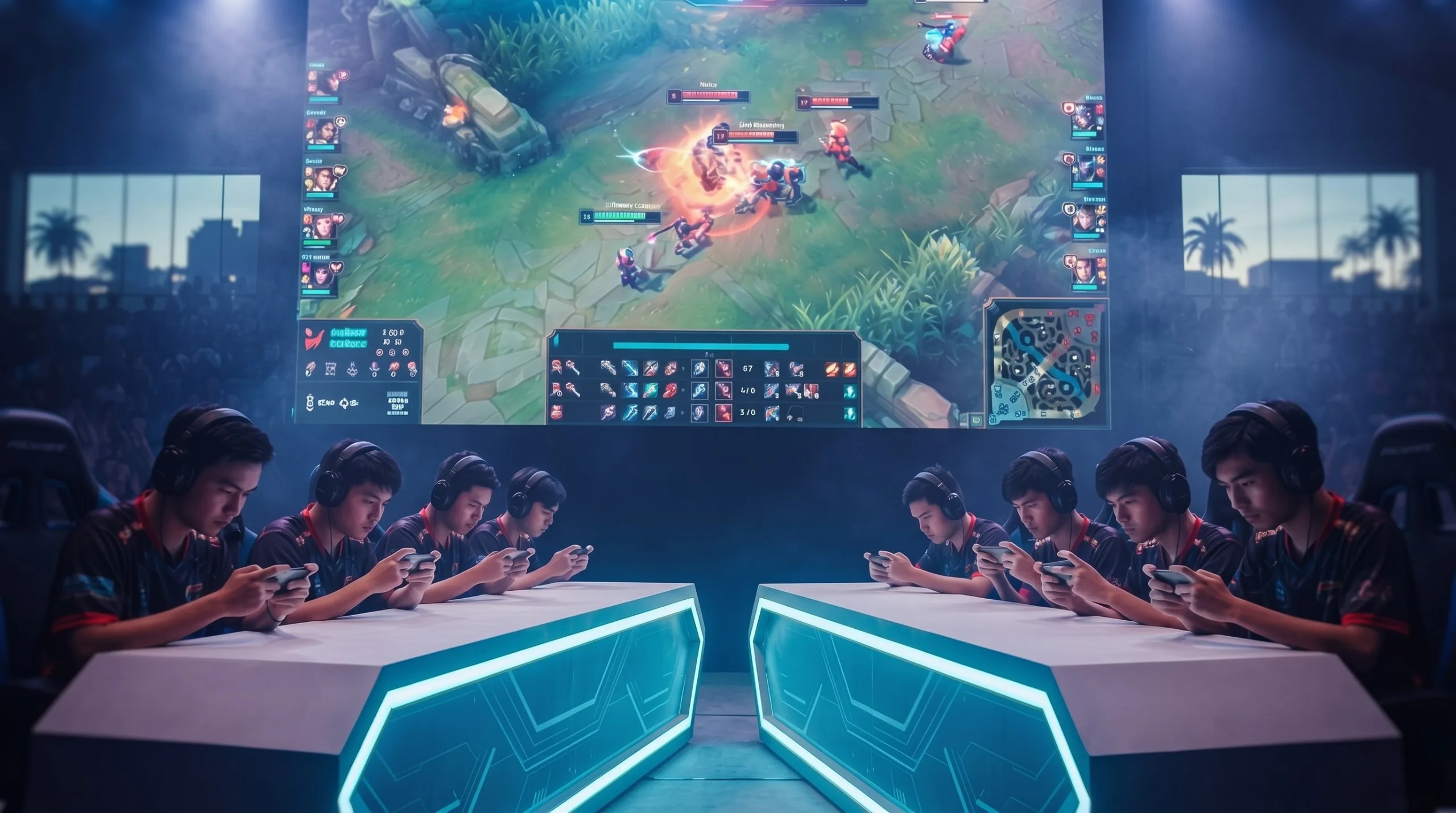
Gaming Moves Beyond Personal Entertainment
BACOLOD - For many young people, competitive gaming is also a social activity that brings friends and classmates together around shared goals. Multiplayer titles such as Mobile Legends: Bang Bang and VALORANT require communication, coordination, quick decision-making, and strategic planning. Bacolod has already seen examples of organized gaming, including campus esports participation and local Mobile Legends tournaments. In 2021, more than 100 teams representing the city's youth competed in a five-day Mobile Legends tournament held at the provincial government's Food Terminal beside Ayala Malls Capitol Central. Such events illustrate how gaming can move from individual screens into organized community activities, giving players opportunities to meet others, represent their schools or groups, and experience structured competition.
Schools and Community Events Can Create Opportunities
Schools, colleges, youth organizations, and event organizers could help develop esports through campus leagues, friendly competitions, gaming workshops, and supervised tournaments. These activities could provide opportunities for students interested in shoutcasting, event management, graphic design, livestream production, team coordination, and other skills connected to digital entertainment. Bacolod's established sporting venues and event spaces, including the Bacolod City Government Center grounds and Panaad Park and Stadium, demonstrate the city's capacity to host organized activities, although esports events would require appropriate facilities, equipment, internet connectivity, and separate arrangements. Local businesses may also find opportunities to support tournaments through equipment sponsorships, refreshments, connectivity services, or prizes. With clear rules and transparent competition formats, these events could encourage fair play and help young participants learn how to compete responsibly.
Building a Healthy and Inclusive Gaming Community
For esports to become a positive part of Bacolod's youth culture, competitive opportunities should go hand in hand with education, physical activity, and responsible screen-time habits. Organizers can establish age-appropriate rules, provide safe reporting channels for harassment, prohibit cheating, and protect younger participants' personal information. Schools and families can also encourage players to manage their schedules so that gaming does not interfere with sleep, studies, exercise, or relationships. Not every interested young person needs to become a professional player; some may discover interests in broadcasting, tournament operations, game design, digital art, or technology support. By creating accessible and well-managed activities, Bacolod could allow esports to complement its broader youth and sports culture while giving young people more ways to develop their interests and connect with their communities.
