


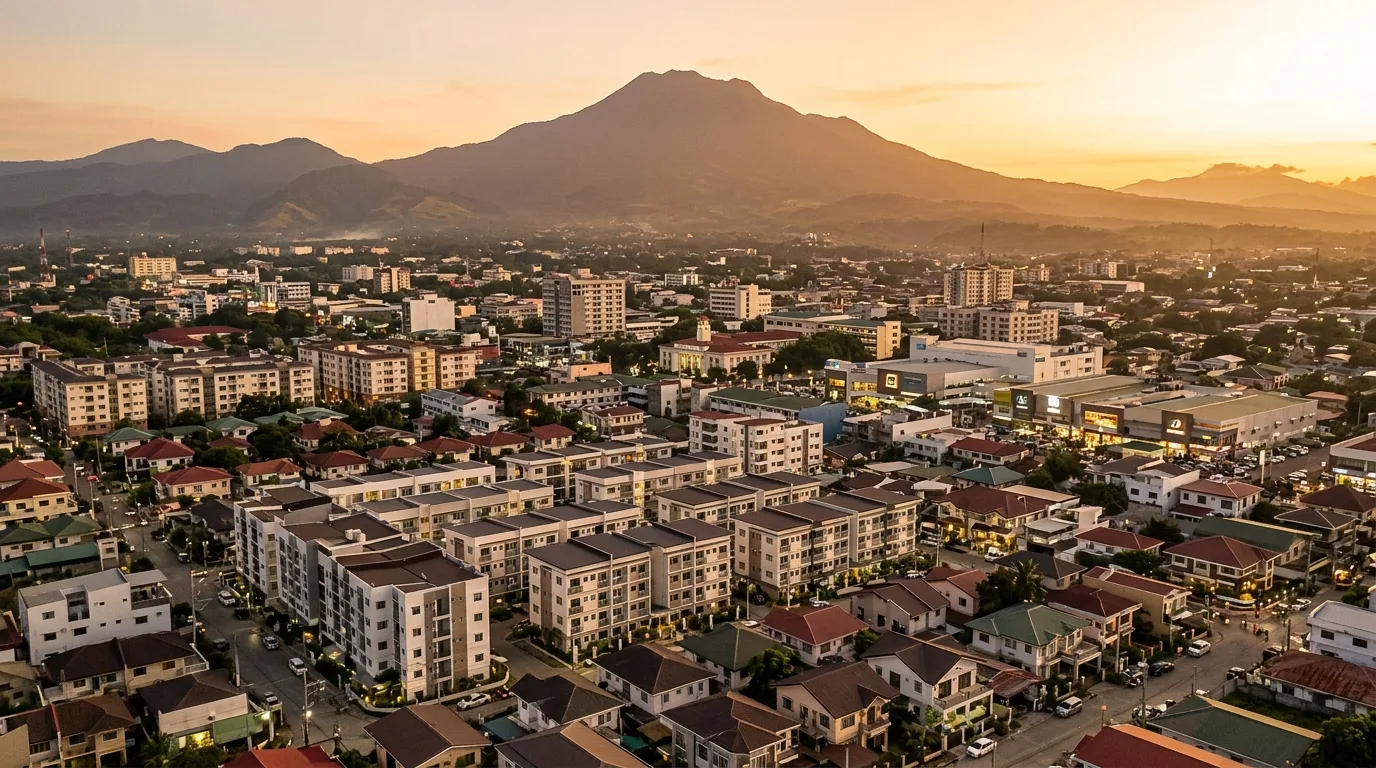
Davao — The Davao Region has seen a steady increase in its household population, reaching 5,365,637 in 2024, according to the latest data from the Philippine Statistics Authority-Davao Region (PSA-11). This figure accounts for 99.6 percent of the region’s total population of 5,389,422, reflecting a 2.7 percent growth compared to the 2020 census. Over the past decade, from 2015 to 2024, the region has experienced an overall growth of 10.2 percent, adding nearly 500,000 residents to its private homes and shared living spaces.
Changing Dynamics of Davao Households
While the total number of people living in private households has grown, the structure of these households is evolving significantly. The total number of households in the region reached 1,513,680 in 2024, marking a sharp 13.1 percent increase from the 2020 census. Interestingly, the average household size has continued its downward trend, dropping to 3.5 persons in 2024 compared to 3.9 in 2020 and 4.4 in 2010. This suggests that while the population is expanding, families are increasingly living in smaller units, a trend that has persisted consistently over the last fifteen years.
Concentration of Population in Key Areas
The demographic growth is not evenly distributed, with three specific areas accounting for the vast majority of the region’s population density. Davao City, Davao del Norte, and Davao de Oro collectively house 70.4 percent of the region’s total household population. Davao City itself remains the most populous hub, home to 1,841,875 individuals, which represents more than one-third of the entire region's household total. These findings are essential for regional planners as they work to allocate resources and infrastructure to accommodate the rising number of households in these highly urbanized and developing zones.
Minimal Changes in Institutional Populations
The census also provided a clear breakdown of the institutional population—those residing in facilities such as hospitals, orphanages, military camps, and correctional institutions. This group totaled 23,785 in 2024, representing only 0.4 percent of the region’s total population. Despite some fluctuations in total numbers over the years, the institutional share of the population has consistently remained below 1 percent across four census cycles. This data reinforces the reality that the overwhelming majority of the population in the Davao Region continues to be integrated into private household settings, underscoring the importance of home-based social services and community development.
