


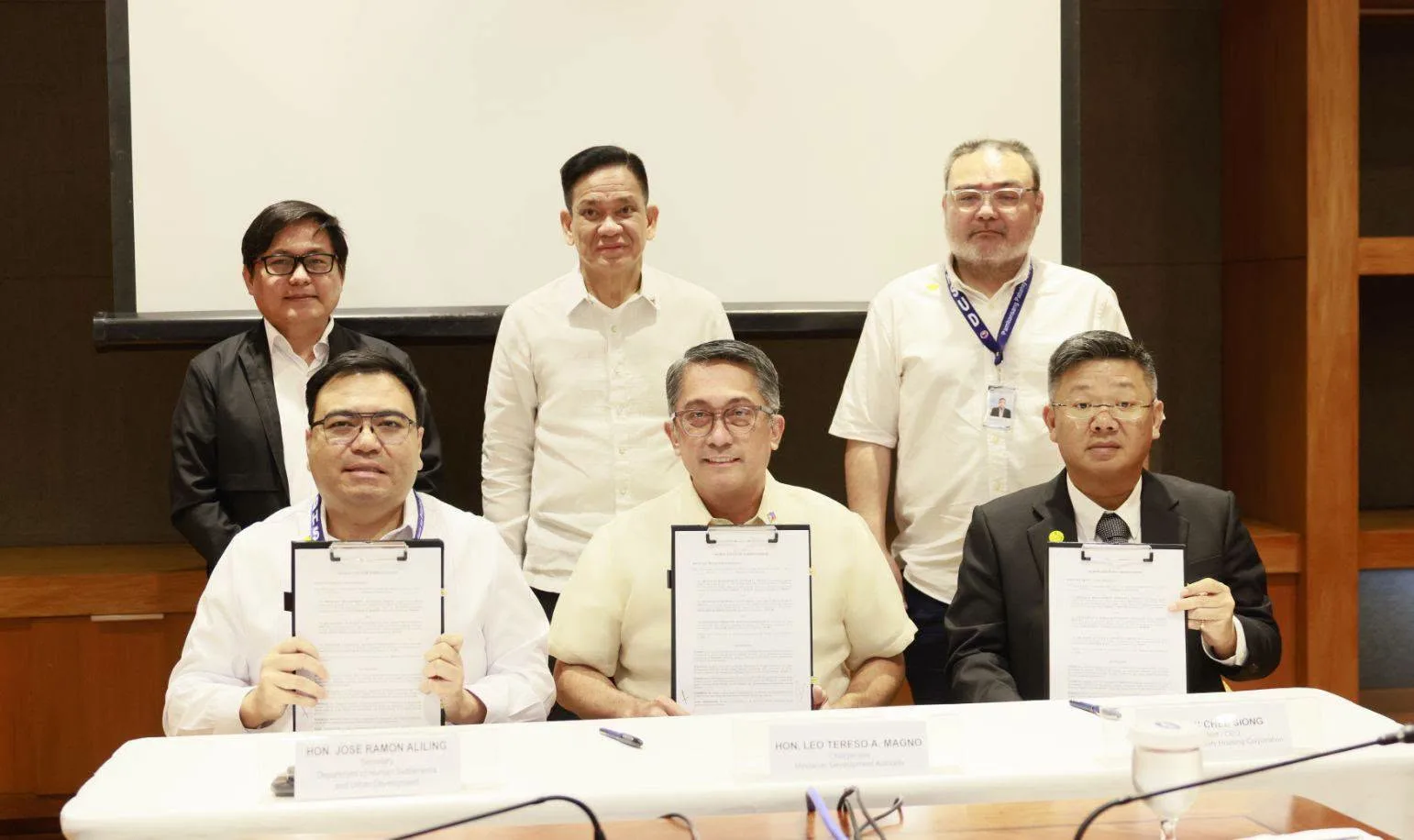
PHILIPPINES — The Department of Human Settlements and Urban Development and the Mindanao Development Authority have joined forces to explore housing and community development opportunities in the Bangsamoro Autonomous Region in Muslim Mindanao. A Memorandum of Understanding was signed on October 8, 2026, as part of National Shelter Month celebrations.
A Framework for Building Better Moro Homes
DHSUD Secretary Jose Ramon Aliling, MinDA Chairperson Leo Tereso Magno, and Philippine Community Housing Corporation President and CEO Tan Chee Siong signed the agreement at the Premiere Guest House in Malacañang. The initiative is titled "Building Better Moro Homes: Integrated Housing and Community Development Initiative with Support for Camp Transformation in BARMM."
The agreement establishes a framework for the three parties to assess the proposed initiative's technical, financial, legal, institutional, and operational viability. It also seeks to identify workable approaches to expanding access to safe, decent, and affordable housing for communities in the region. The signing marks a significant step toward addressing housing needs in one of the country's most underserved areas.
Coordinated Efforts for Sustainable Communities
Under the agreement, DHSUD and MinDA will facilitate information sharing, coordination, stakeholder engagement, and evaluation of the project's feasibility. Their combined expertise in housing policy and regional development provides a strong foundation for the initiative. The partnership ensures that housing solutions align with broader peace and development goals.
PCHC will conduct a comprehensive feasibility study and submit findings and recommendations to concerned government agencies for consideration. This evidence-based approach ensures that any eventual implementation rests on solid ground. The agreement does not yet authorize construction, with implementation subject to the feasibility assessment and further government evaluation.
Housing as a Pillar of Peace and Dignity
Secretary Aliling emphasized that housing initiatives must respond to the circumstances of Filipino families. He highlighted the importance of coordination among all involved parties to ensure success. His message underscored the human dimension behind every housing project.
"As directed by President Marcos Jr., our housing solutions should cater to the needs of the communities we serve," Aliling said. "Beyond building shelters, we also seek to ensure that their homes allow them to live with security and dignity." His statement reflects the administration's commitment to inclusive development.
Aliling also linked the initiative to the National Shelter Month theme, "Tahanan. Pamayanan. Kinabukasan." He noted that the government is not just building houses but sustainable communities. This vision ensures a brighter future for all Filipinos, especially those in underserved regions.
Supporting Camp Transformation in BARMM
The initiative includes support for camp transformation in BARMM, recognizing the unique needs of communities transitioning from conflict-affected areas. Housing plays a critical role in stabilizing these communities and fostering long-term peace. By addressing shelter needs, the project contributes to broader reconciliation efforts.
Secretary Mel Senen Sarmiento of the Office of the Presidential Adviser for Peace, Reconciliation and Unity witnessed the signing ceremony. His presence signaled strong inter-agency support for the initiative. DHSUD Senior Undersecretary Eduardo Robles Jr. and other department officials also attended.
A Step Toward Inclusive Growth
The MOU represents a collaborative approach to solving complex housing challenges in BARMM. By bringing together national agencies, a private partner, and local stakeholders, the initiative creates a comprehensive framework for action. It aligns with the government's broader goals of poverty reduction and regional development.
While construction has yet to begin, the feasibility study will determine the most effective path forward. Stakeholders remain optimistic that the partnership will yield tangible benefits for Moro families. The signing marks a meaningful commitment to building not just houses, but homes where dignity thrives.
