


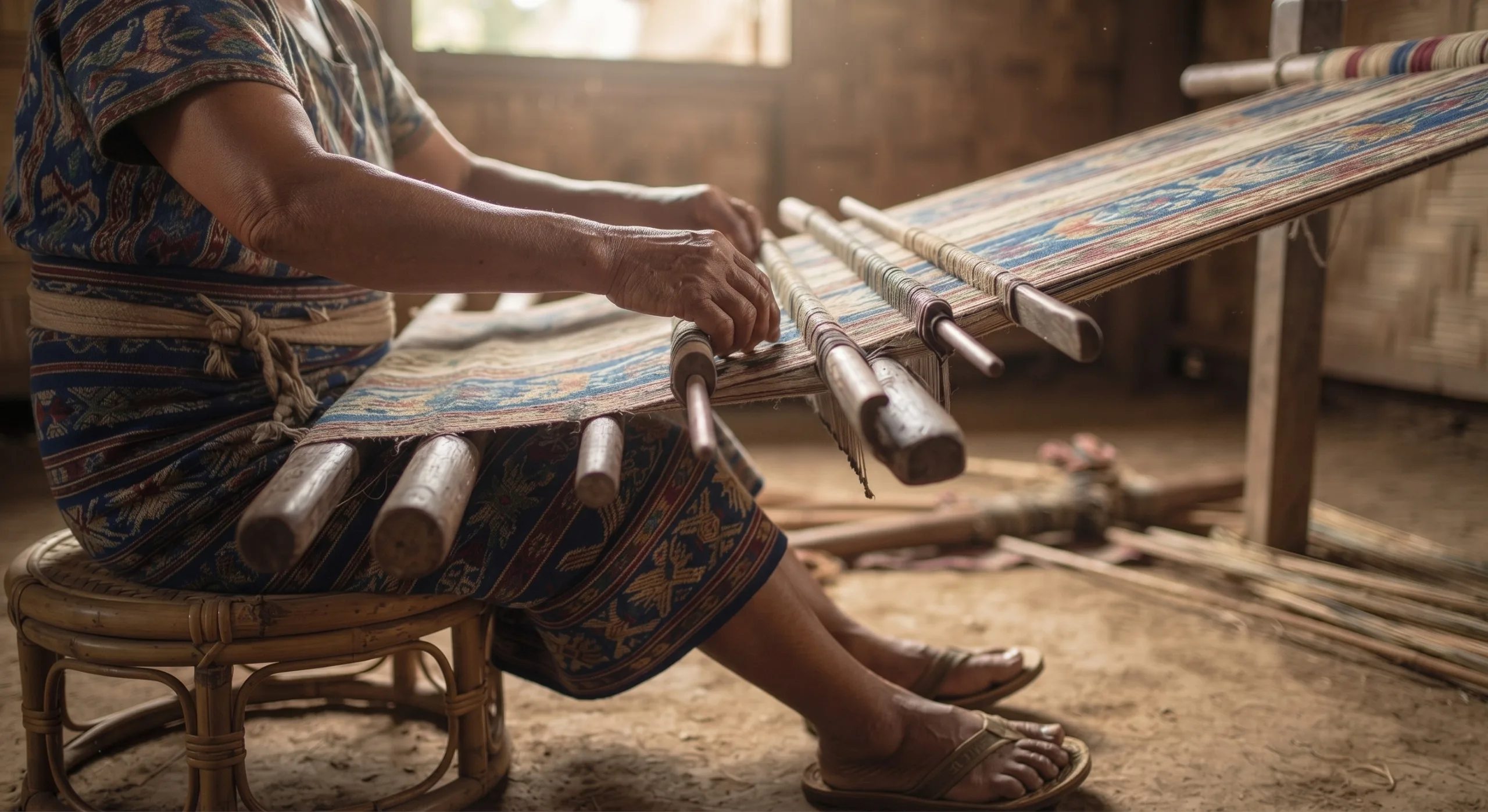
Weaving Knowledge Passed Between Generations
BOHOL - Traditional weaving involves more than producing fabric or handicrafts. Preparing fibers, selecting materials, setting up a loom, creating patterns, and finishing a piece can require skills developed through years of practice. In communities where weaving remains part of local craft traditions, these techniques can become a form of cultural knowledge shared between generations. Learning about the process allows people to appreciate the time, patience, and craftsmanship involved in handmade products rather than viewing them simply as souvenirs.
Local Materials Become Cultural Products
Natural fibers and locally available materials can become baskets, mats, textiles, accessories, and other useful products through traditional craftsmanship. The process connects agriculture, local resources, design, and small-scale enterprise. For Bohol communities, craft production can also provide opportunities for artisans to earn income while maintaining traditional skills. Supporting locally made products through responsible purchasing and fair appreciation of craftsmanship can help create demand without reducing cultural traditions to purely commercial products.
Keeping Traditional Craft Relevant
The future of traditional weaving depends partly on whether younger generations have opportunities to learn and practice the skills involved. Training, community workshops, cultural programs, exhibitions, and markets can help create spaces where artisans can share their knowledge and introduce traditional techniques to new audiences. Bohol’s broader heritage initiatives, including those connected with its cultural and natural heritage, can provide opportunities to present traditional crafts as living practices. By supporting the people who continue to weave and create, communities can help ensure that these skills remain part of Bohol’s cultural identity for years to come.
