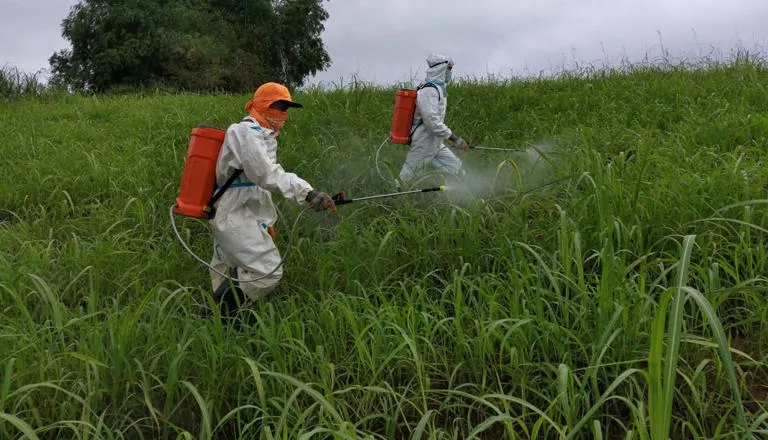
The Department of Social Welfare and Development (DSWD) has released ₱187.39 million in financial assistance to support sugarcane farmers and laborers affected by the red-striped soft scale insect infestation in Negros Oriental. The assistance aims to help affected workers manage the economic challenges caused by damage to sugarcane crops and disruptions to their livelihoods. The financial support forms part of the government’s Uplift Disaster Assistance Program, which provides aid to farmers and agricultural workers whose income has been affected by the infestation.
Thousands of Sugarcane Farmers and Laborers Receive Support
As of October 24, 2026, a total of 18,508 beneficiaries in Negros Oriental had been covered by the assistance program. This includes 12,773 sugarcane farmers and 5,735 laborers, reflecting the scale of support extended to communities that depend on the sugar industry for their livelihood. The ₱187.39-million allocation provides financial relief to affected individuals and families as they navigate the impact of the agricultural problem on their income and daily needs.
Financial Assistance Reaches Communities Across the Province
The assistance has been distributed across the province’s three districts, reaching areas where sugarcane farming and related work contribute to local livelihoods. District 1 recorded ₱88.94 million in assistance for 8,784 beneficiaries. District 2 received ₱71.33 million, while District 3 accounted for ₱27.12 million. The distribution highlights the reach of the program across different communities in Negros Oriental.
Supporting Agricultural Livelihoods in Negros Oriental
Sugarcane farming provides income not only for farmers but also for laborers involved in planting, field maintenance, harvesting, and other related activities. When infestations affect crops, the consequences can extend to workers and households that rely on the industry.
Through the Uplift Disaster Assistance Program, financial assistance offers affected sugar industry workers additional support as they address immediate needs and work toward recovering from the impact of the infestation.