


The Household Is Where Preparedness Becomes Practical
OZAMIZ CITY- A study involving 631 households in flood-prone areas of Ozamiz City and Oroquieta City found that overall household preparedness was moderate, while some specific areas required more attention. The research identified weaker preparedness in life safety and property protection, as well as in the steps households take when beginning recovery after a disaster. Although the study is not a 2026 publication, its Ozamiz-specific findings remain useful when discussing why household preparation deserves attention. It gives the conversation a more concrete foundation than simply telling families to “be ready.”
October Brings a Wider Conversation About Community Resilience
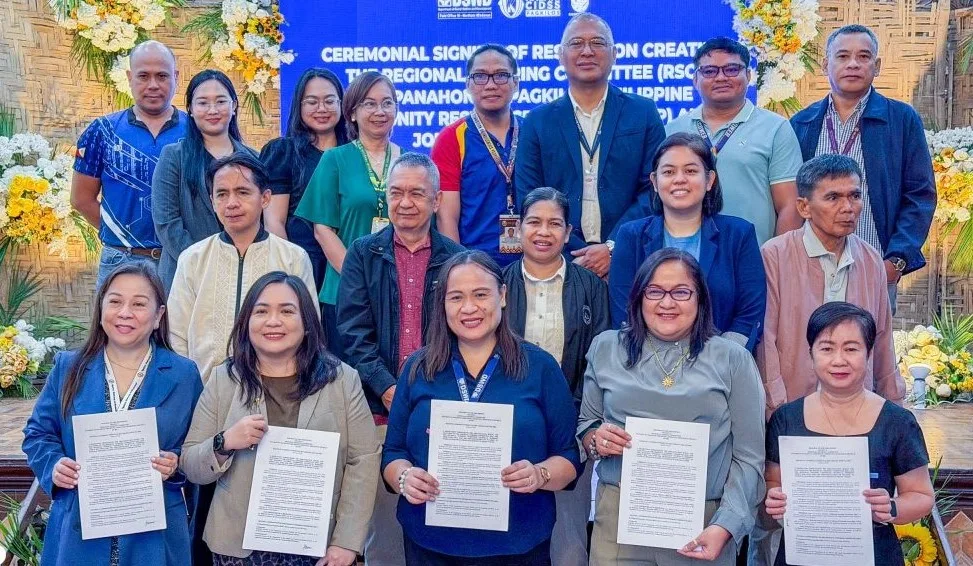
On October 6, 2026, the Philippine Information Agency reported that DSWD Northern Mindanao was rolling out the Panahon ng Pagkilos: Philippine Community Resilience Project, a World Bank-supported initiative focused on climate adaptation, disaster preparedness, and recovery. The regional project covers vulnerable communities in several areas of Northern Mindanao, including selected municipalities in Misamis Occidental. Importantly, the listed first-batch municipalities are Concepcion, Don Victoriano, Sapang Dalaga, Lopez Jaena, and Plaridel—not Ozamiz City, so it would be inaccurate to describe Ozamiz households as direct beneficiaries of this project. What the October development does show is the broader regional shift toward community participation and resilience planning rather than relying only on emergency response after a disaster occurs.
A Prepared Home Needs More Than an Emergency Bag
For families in Ozamiz, the practical lesson is to think about preparedness as a series of household decisions: knowing evacuation options, protecting important documents, planning how family members will contact one another, and considering what happens after the immediate danger passes. This approach fits the 2026 International Day for Disaster Risk Reduction theme, “Resilience Starts at Home,” which places households at the center of disaster resilience. Ozamiz's own education system has also documented preparedness measures in 2026, including its March earthquake-drill memorandum directing schools to review contingency plans, evacuation routes, responsibilities, and emergency arrangements. Taken together, these sources suggest that preparedness is not simply a drill-day activity—it is a habit that can begin with planning inside individual homes.
