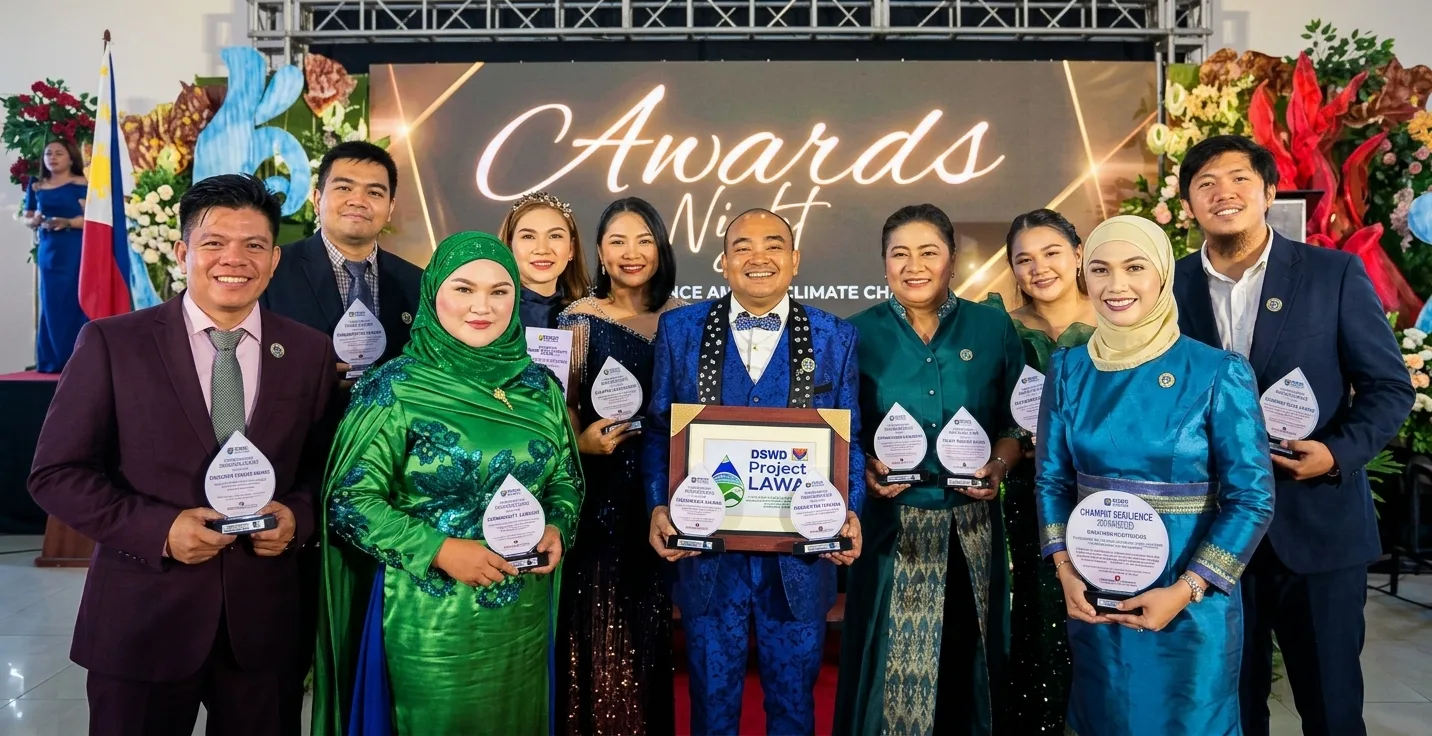
Regional Efforts Receive Recognition on a National Platform
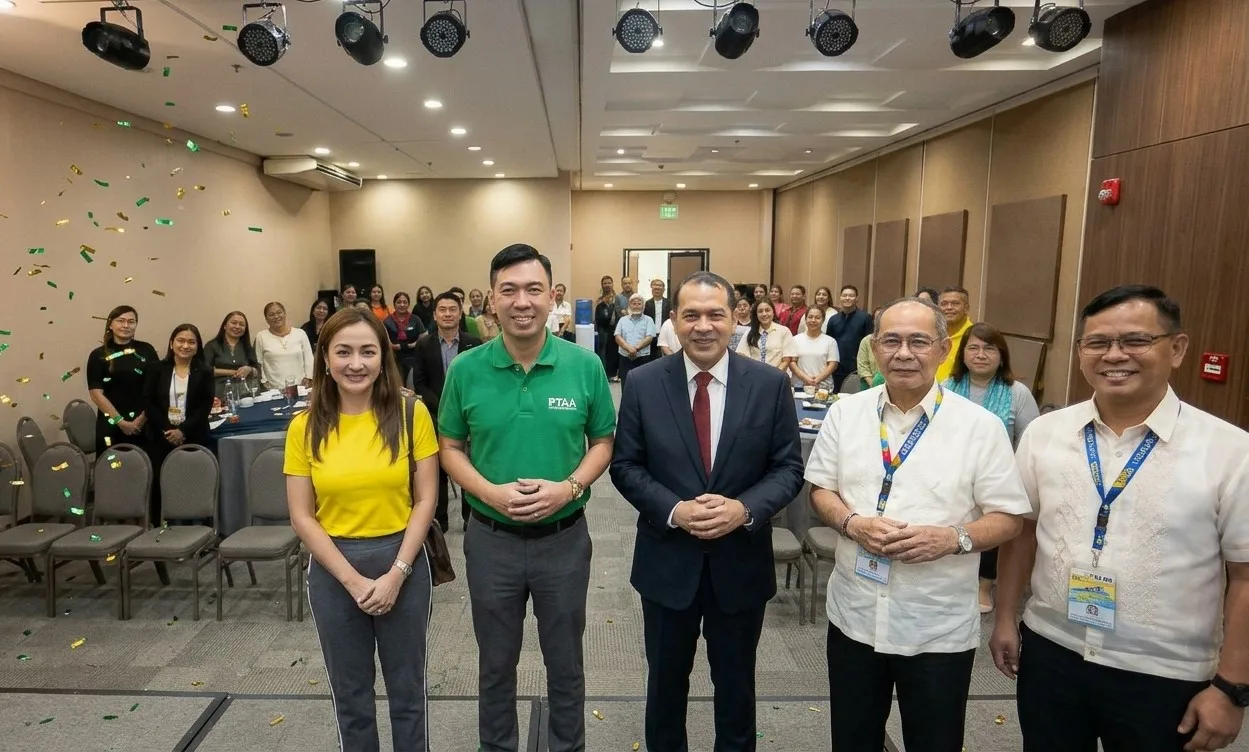
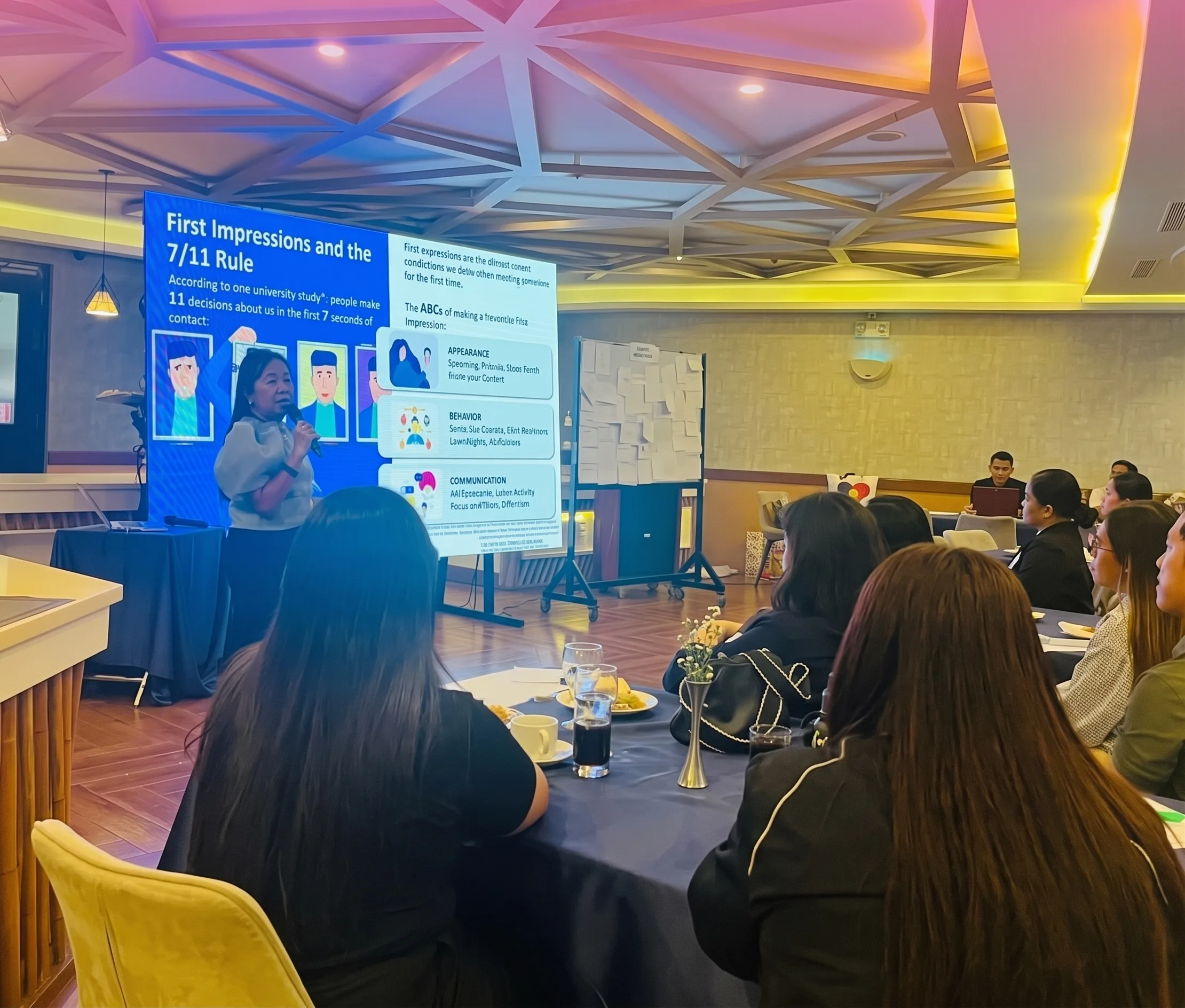
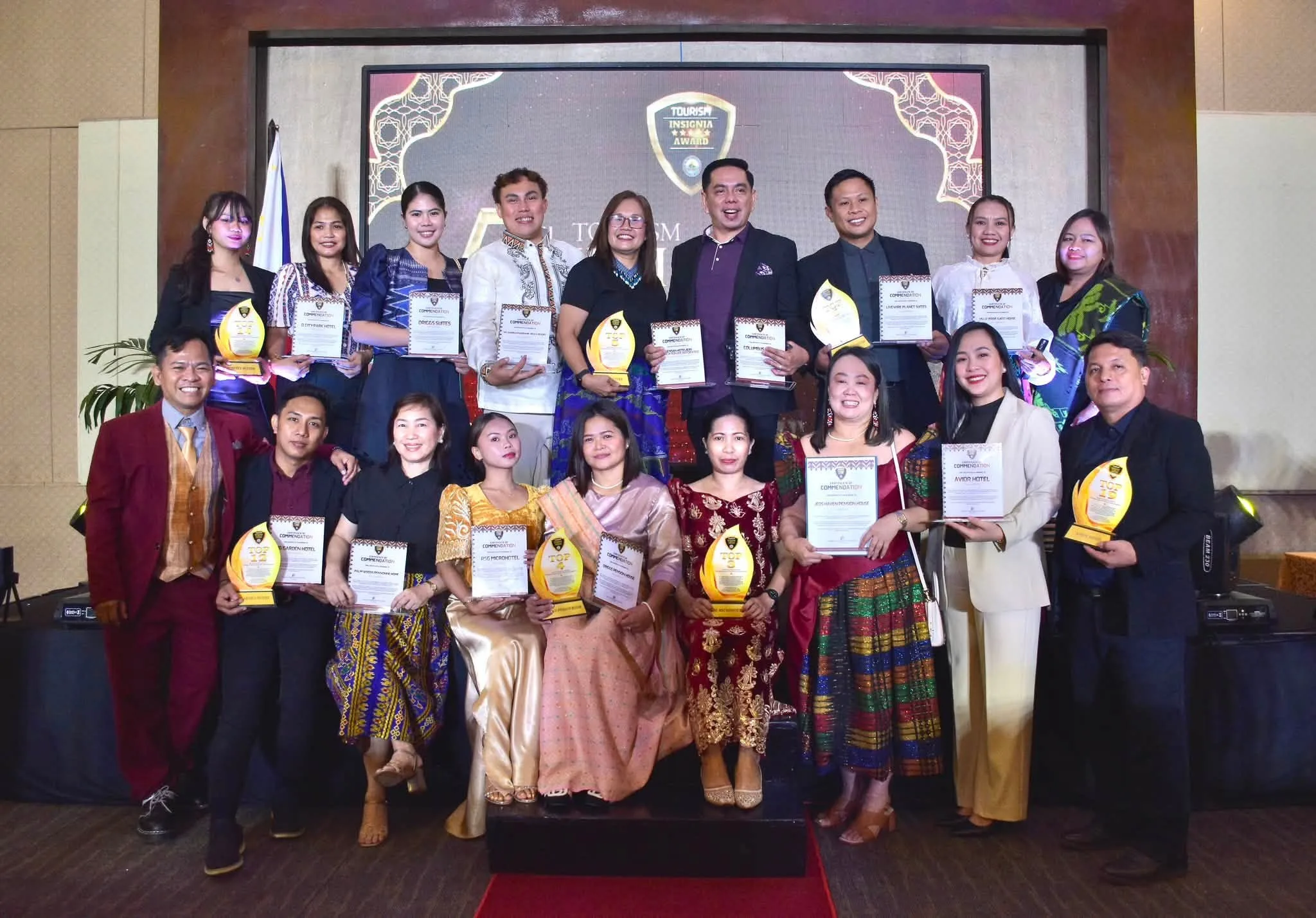
GENERAL SANTOS CITY- DSWD Field Office XII is gaining attention for its participation and recognized contributions to Project LAWA at BINHI during the 2026 Resilience and Impact Summit in Davao City. The five-day gathering, held from October 26 to 30, brought together approximately 230 participants representing the DSWD Central Office and field offices across the country. It provided a venue for reviewing program accomplishments, exchanging practical experiences, and discussing ways to improve implementation. For DSWD XII, the recognition offers an opportunity to highlight the importance of regional initiatives that address the everyday challenges faced by vulnerable communities.
Turning Water Access and Food Production into Lasting Solutions
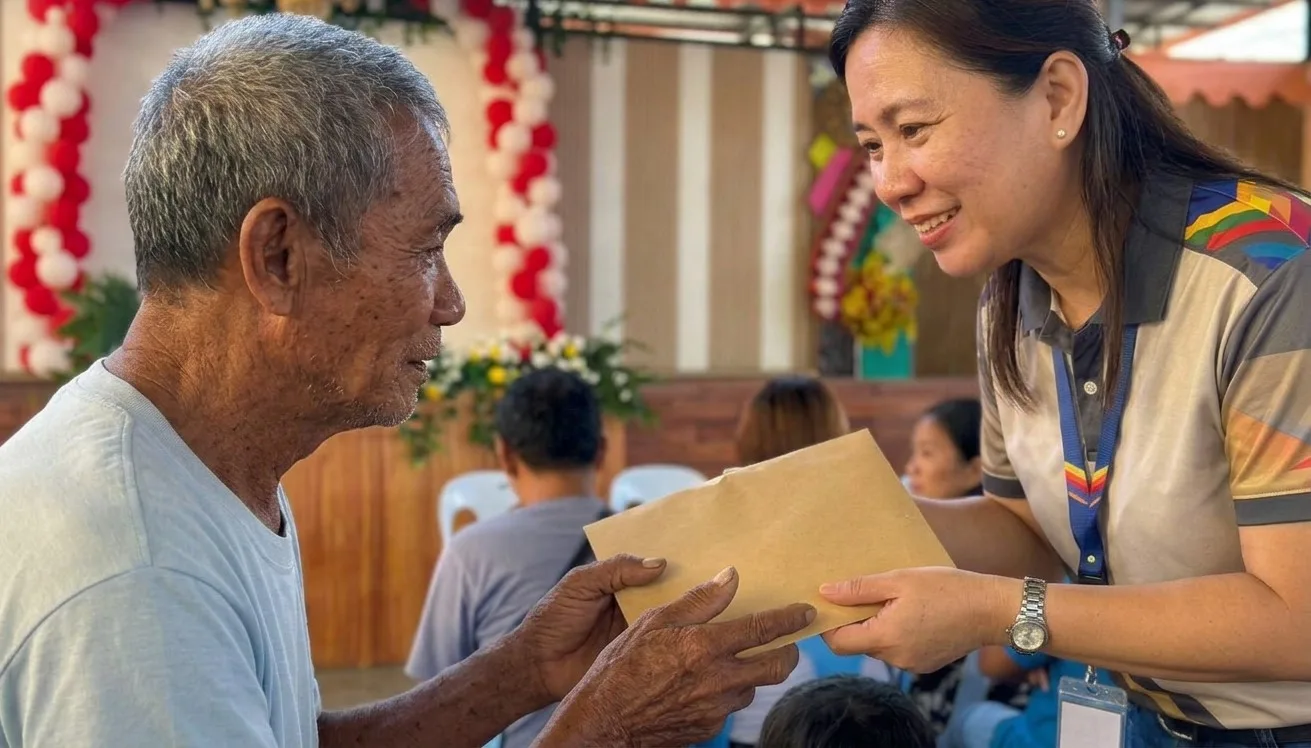
Project LAWA at BINHI combines two important community needs: reliable water access and sustainable food production. LAWA, or Local Adaptation to Water Access, supports water-related interventions, while BINHI, or Breaking Insufficiency through Nutritious Harvest for the Impoverished, promotes community food production and gardening. Through cash-for-training and cash-for-work activities, participating households gain opportunities to develop practical skills while contributing to community-based projects. These interventions are particularly valuable for agricultural communities facing dry spells, changing weather conditions, and difficulties maintaining food supplies.
Stronger Partnerships for More Resilient SOCCSKSARGEN Communities
The program's continued implementation in Region XII also reflects the importance of cooperation between government agencies and community partners. In September 2026, DSWD XII and the National Irrigation Administration Regional Office XII formalized a partnership to strengthen Project LAWA at BINHI implementation for 2026–2028. Their collaboration focuses on improving the technical viability and sustainability of interventions across the four provinces of Region XII. With continued knowledge-sharing, institutional support, and community participation, initiatives like LAWA at BINHI can help families build better ways of managing water resources, producing food, and preparing for climate-related challenges.