


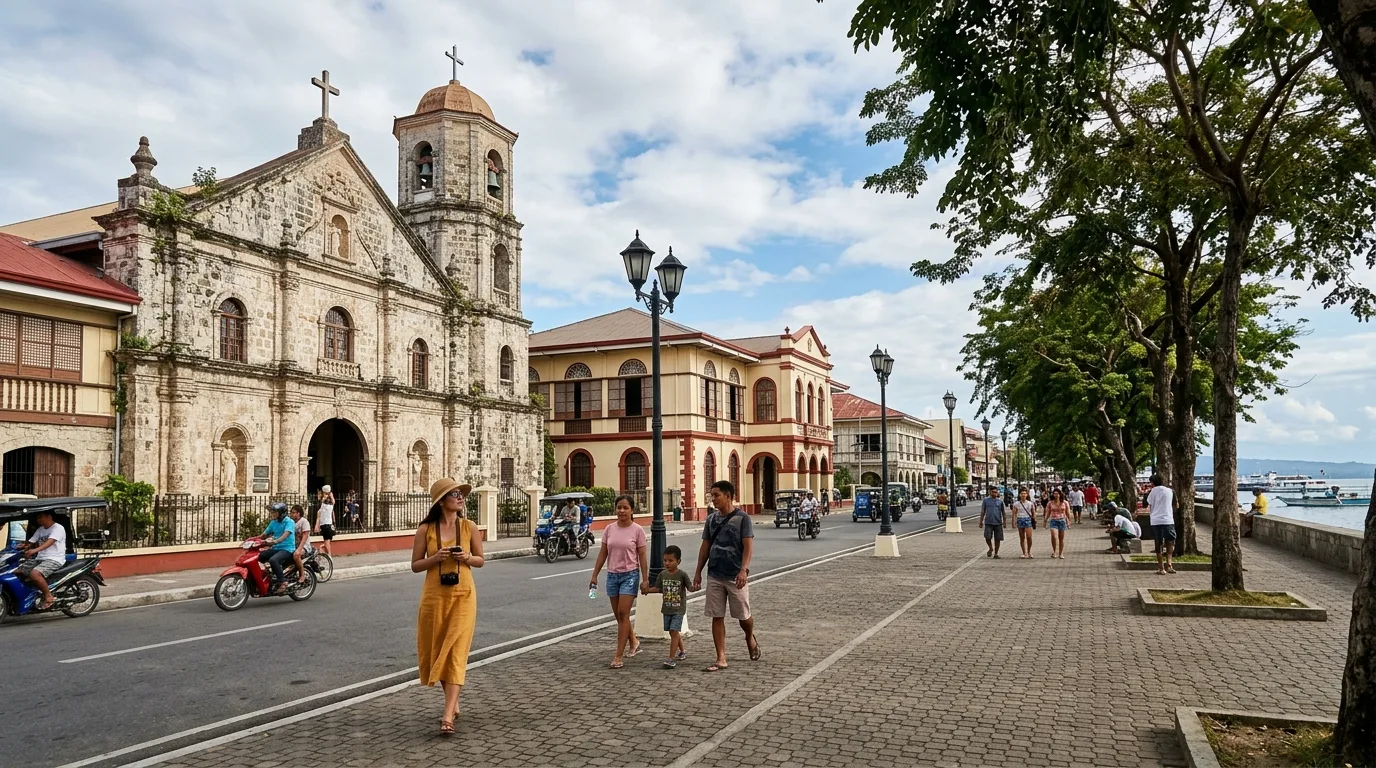
Dumaguete City is widely recognized for its rich history, educational heritage, and well-preserved cultural landmarks. At the heart of these attractions is the Dumaguete Heritage District, an area that encompasses several of the city's most significant historical sites, including the Dumaguete Belfry, St. Catherine of Alexandria Cathedral, Rizal Boulevard, Silliman University, and various ancestral structures. The district serves as a living reminder of the city's historical development and cultural identity. Through the preservation of its heritage resources, the Dumaguete Heritage District contributes significantly to the growth of cultural heritage tourism in the city.
Promoting Cultural Heritage Tourism
Cultural heritage tourism focuses on attracting visitors through historical sites, cultural traditions, architecture, and local heritage. The Dumaguete Heritage District supports this form of tourism by providing travelers with opportunities to explore landmarks that reflect the city's religious, educational, political, and social history. These attractions allow visitors to gain a deeper understanding of Dumaguete's past while appreciating the cultural influences that have shaped the community over time.
Preserving Historical Landmarks
One of the district's primary strengths is its collection of well-preserved heritage sites. The centuries-old St. Catherine of Alexandria Cathedral and the historic Dumaguete Belfry serve as important symbols of the city's Spanish colonial past. Meanwhile, Silliman University, one of the oldest American-established universities in Asia, reflects the city's educational heritage. The preservation of these landmarks helps maintain historical continuity and ensures that future generations can continue to learn from and appreciate Dumaguete's rich cultural legacy.
Enhancing Visitor Experiences
Modern travelers increasingly seek authentic experiences that connect them with local culture and history. The Dumaguete Heritage District enhances visitor experiences by offering opportunities for walking tours, cultural exploration, photography, and educational activities. Visitors can leisurely explore historical streets, visit museums, admire heritage architecture, and interact with local communities. These experiences provide meaningful insights into the city's traditions and way of life.
