Dumaguete City is taking meaningful steps toward a healthier and more sustainable future through initiatives that protect coastal ecosystems and promote proper hygiene in schools. Metro Dumaguete Water (MDW) is advancing these efforts through mangrove planting activities and the installation of handwashing facilities, connecting environmental conservation with everyday community well-being. The initiatives were highlighted in observance of Global Handwashing Day 2026, emphasizing how protecting natural resources and encouraging healthy habits can contribute to safer, more resilient communities.
Nearly 200 Volunteers Plant 5,000 Mangrove Propagules
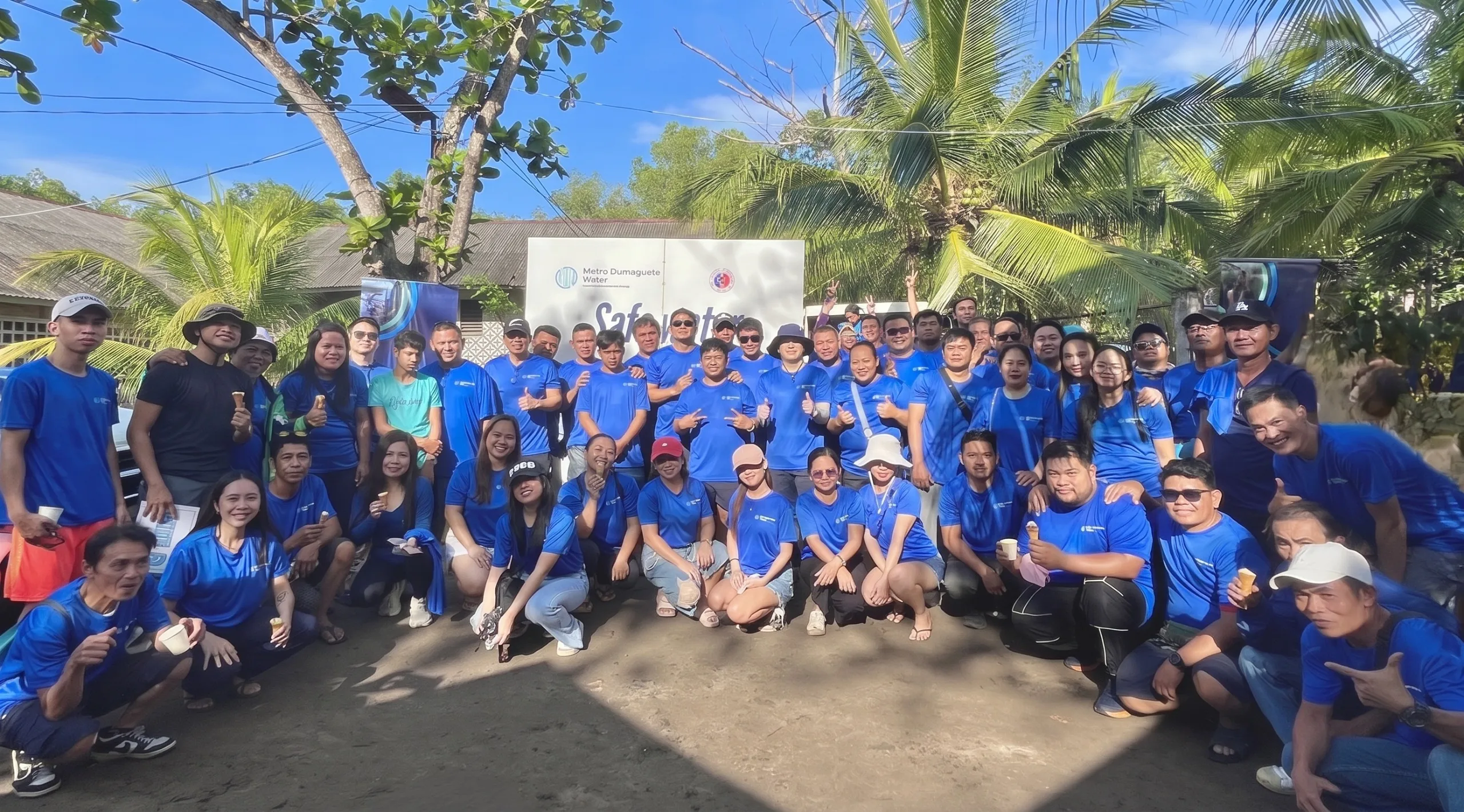
On October 17, nearly 200 volunteers participated in MDW’s fourth annual Mangrove Tree Planting Activity in Barangay Banilad, Dumaguete City. Together, they planted approximately 5,000 mangrove propagules as part of the company’s continuing ridge-to-reef conservation program. Mangroves play an important role in coastal ecosystems by providing habitats for marine life, helping reduce shoreline erosion, and supporting biodiversity. Protecting these natural environments also contributes to the long-term sustainability of water resources and the communities that depend on them.
The activity brought together volunteers and participating organizations in a shared effort to strengthen environmental stewardship. It also highlighted the importance of collective action in protecting coastal areas and maintaining healthy ecosystems.
Handwashing Facilities Reach More Than 10,000 Learners
Alongside its environmental work, MDW recently turned over its 10th Hugas Luwas Handwashing Facility to Candau-ay Elementary School in Dumaguete City. The initiative expands access to handwashing facilities among public school learners and encourages proper hygiene practices in educational settings. Launched in 2021 in partnership with the Dumaguete City Government and the Department of Education, the Hugas Luwas sa Dumaguete Program has benefited more than 10,000 learners. Access to handwashing facilities helps students practice good hygiene and supports cleaner, healthier school environments. The program underscores the importance of making basic hygiene resources accessible to children, helping them develop habits that can protect their health both inside and outside the classroom.
Connecting Environmental Care With Public Health
MDW’s mangrove planting and handwashing initiatives demonstrate how environmental protection and public health can complement one another. Healthy coastal ecosystems help sustain natural resources, while access to proper hygiene facilities supports disease prevention and community well-being. The mangrove activity was carried out with the Allied Mangrove Planters Organization and the Negros Oriental Chamber of Commerce, Inc., alongside participating institutions and volunteers. These collaborative efforts reflect the value of community participation in addressing environmental and health-related needs.
By continuing programs focused on conservation, water resources, and hygiene education, Dumaguete strengthens its commitment to building a community where environmental responsibility and public health remain important priorities.