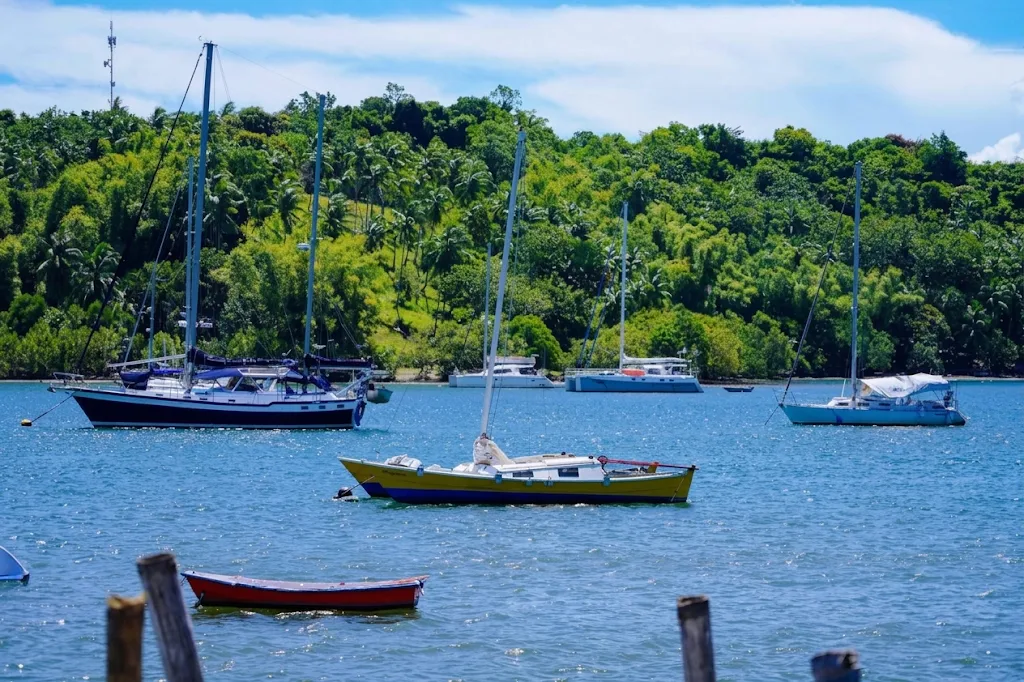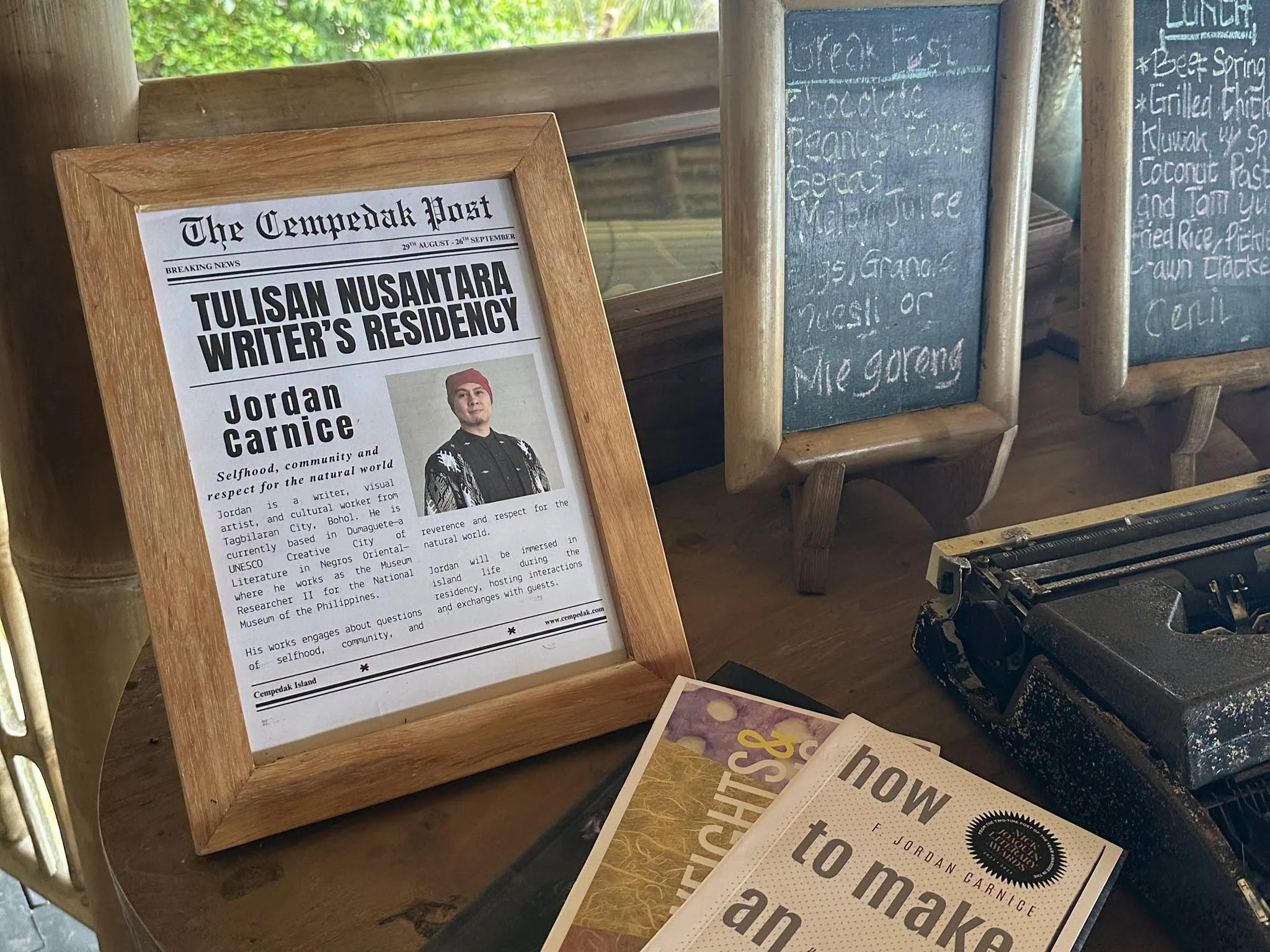
The connection between literature, cultural heritage, and the natural environment takes center stage as Fred Jordan Mikhail T. Carnice, Museum Researcher II at the National Museum of the Philippines–Dumaguete, returns from a writing residency on Cempedak Island in the Riau Archipelago, Indonesia. His experience highlights how stories can connect communities across Southeast Asia while exploring the relationship between people, place, identity, and the environment.
Carnice participated as the fifth writer-in-residence of the Tulisan Nusantara Writer's Residency, an initiative that brings published writers together to create literary works inspired by island ecology, culture, and shared heritage. His experience reflects Dumaguete’s growing role as a UNESCO Creative City of Literature and its continuing connection to literary arts and heritage practice.
Connecting Literature With Island Culture
During his residency, Carnice explored how the environment and local traditions can inspire meaningful literary work. The program invited writers from across Southeast Asia to draw inspiration from the distinctive ecology, cultural practices, and identities of island communities. The experience provided an opportunity to examine the connections between nature and human life through writing. By engaging with the island’s surroundings and cultural context, Carnice developed a deeper perspective on how literature can preserve experiences, express identities, and encourage conversations across different communities.
Building Community Through Cempedialogues
Beyond writing, Carnice shared publications from the National Museum of the Philippines and organized Cempedialogues, a community engagement activity whose name combines “Cempedak” and “dialogue.” The weekly gatherings brought together local residents and island visitors to exchange ideas about culture, literature, and nature. Carnice also consulted with the island’s marine biologist and forest conservationist for a literary monograph exploring the island’s natural environment. In addition, he introduced the residency’s “Poem of the Day,” a literary feature showcasing poetry inspired by natural history. These activities demonstrate how creative writing can bring people together while encouraging appreciation for local knowledge and environmental conservation.
Strengthening Dumaguete’s Literary Identity
Carnice’s experience reflects the important relationship between literary arts and cultural heritage in Dumaguete. As a UNESCO Creative City of Literature, the city continues to provide a setting where storytelling, research, and cultural exchange contribute to a broader appreciation of literature. The residency also highlights the value of connecting Filipino writers and cultural workers with creative communities across Southeast Asia. Through international exchanges and community-based literary activities, experiences like Carnice’s can inspire new works that celebrate shared heritage, explore environmental concerns, and strengthen the role of literature in connecting people and places.