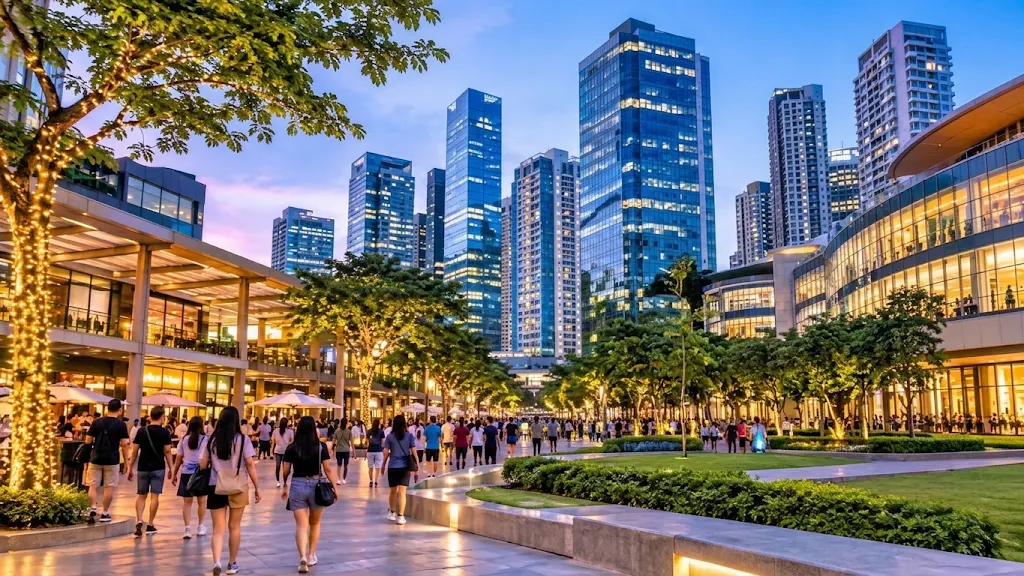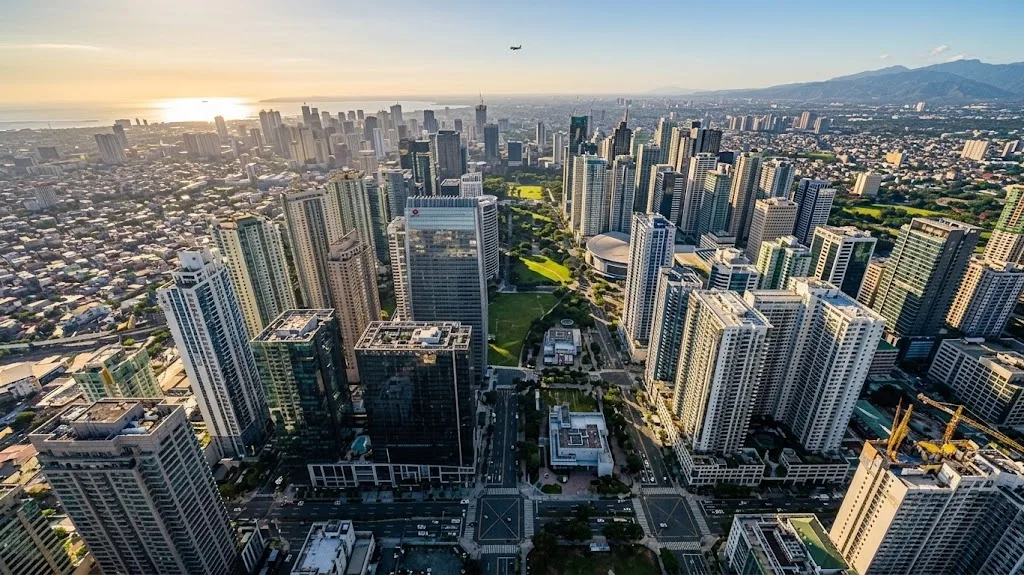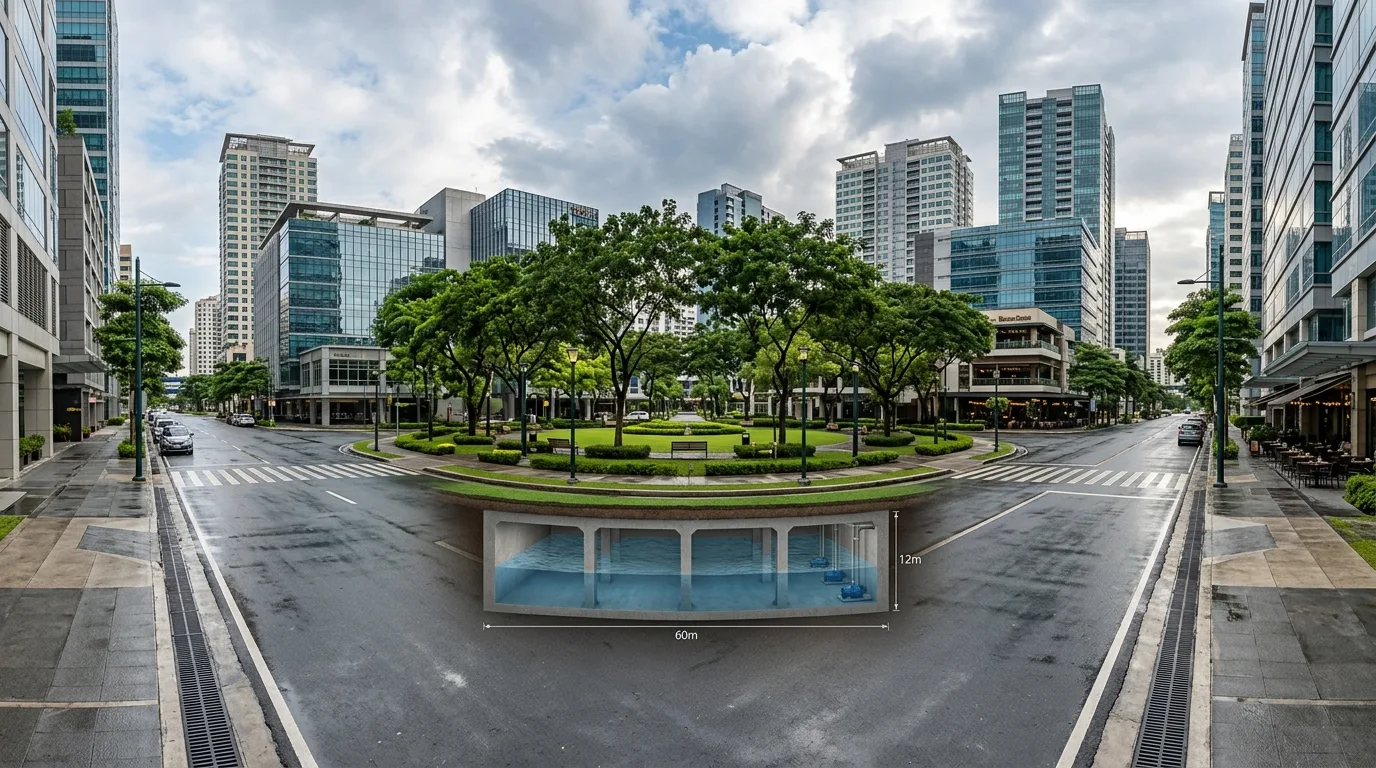
Bonifacio Global City (BGC) — While monsoon downpours and typhoons frequently inundate large swathes of Metro Manila, Bonifacio Global City (BGC) in Taguig famously remains dry and fully functional. This exceptional flood resilience is neither an accident of nature nor a matter of good fortune; it is the direct result of master-planned civil engineering, strict urban design standards, and heavy infrastructure investments executed prior to the district's commercial rise. By combining favorable elevation with subterranean water management technologies, BGC sets the benchmark for climate-resilient urban development across the Philippines.
The Burgos Circle Subterranean Retention Cistern
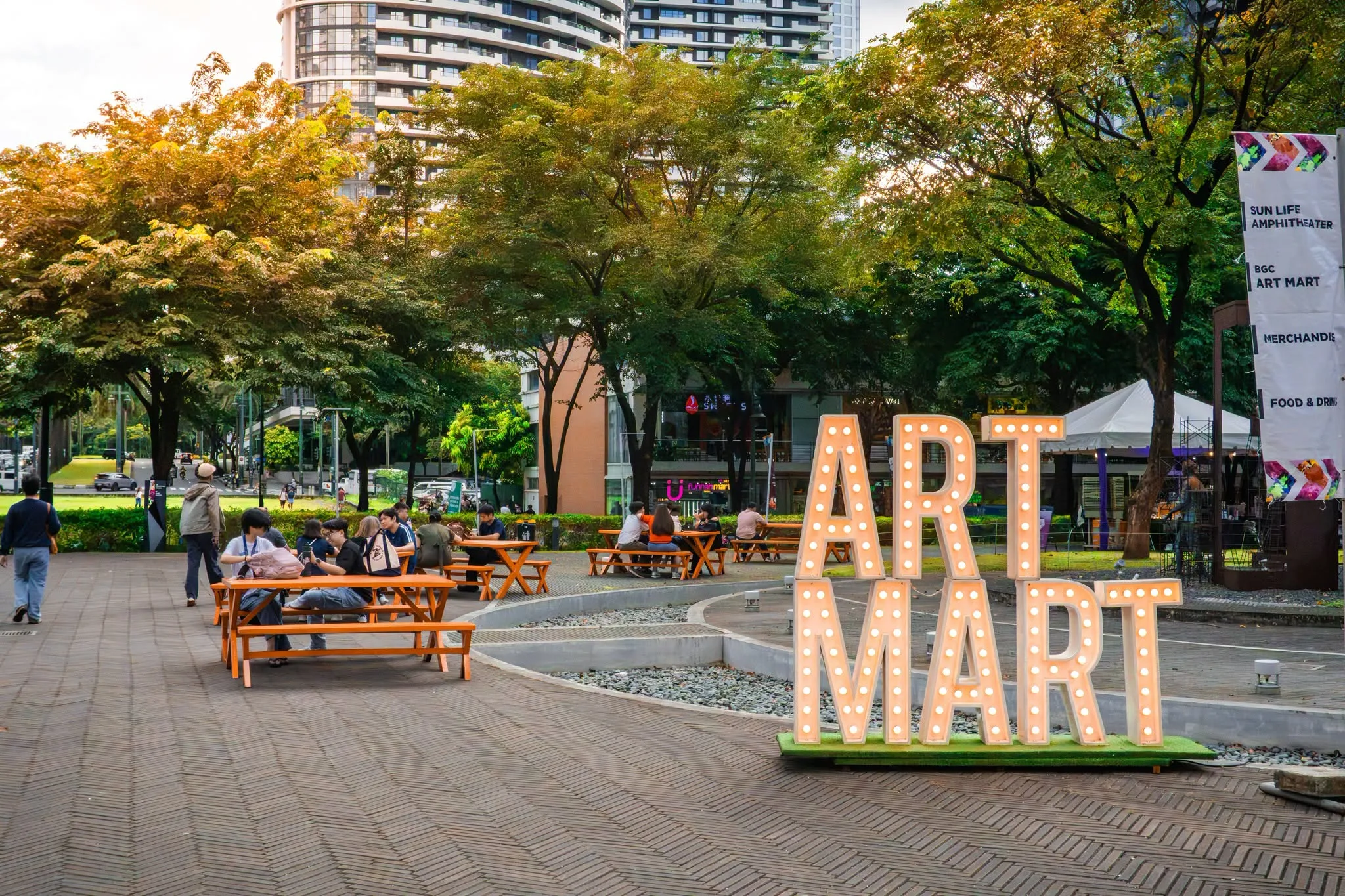
The centerpiece of BGC’s flood prevention system lies hidden directly beneath the manicured lawns and dining spots of Burgos Circle. Constructed during the initial land development phase, a massive 60-meter-wide, 12-meter-deep underground retarding basin—equivalent to a four-story building—serves as the district’s primary stormwater buffer. Capable of holding approximately 22,000 cubic meters (22 million liters) of water—roughly eight Olympic-sized swimming pools—the reservoir captures surface runoff during intense downpours before it can pool on roads. Once heavy rainfall subsides, high-capacity pumps gradually release the impounded water into nearby creeks and the Pasig River system, preventing downstream surges.
Favorable Topography and Master-Planned Drainage Grids
In addition to its subterranean retention tank, BGC benefits significantly from its naturally elevated geographical plateau. Situated on higher ground compared to low-lying coastal and riverine basins in Manila, Marikina, and Pasig, the area inherently avoids sea-level storm surges and riverbank overflows. Developers capitalized on this geographic advantage by installing an integrated, high-capacity storm drainage network beneath every avenue. Unlike older urban centers with piecemeal, undersized drainage pipes, BGC’s wide underground culverts direct water rapidly toward the central detention facility, preventing street-level pooling even during tropical storms.
Strict Density Rules and Underground Utility Management
BGC’s long-term resistance to urban flooding is further protected by stringent land-use codes and master-planned infrastructure guidelines. Under its Design Standards and Guidelines (DSG), all power lines, fiber-optic cables, and water utilities are buried completely underground, protecting critical utility systems from water damage during severe weather. Furthermore, strict Floor Area Ratio (FAR) regulations, mandatory green spaces, and integrated rainwater harvesting systems across commercial developments ensure that surface runoff is minimized at the lot level. This comprehensive approach to urban planning makes BGC a model for climate-resilient cities across Southeast Asia.