


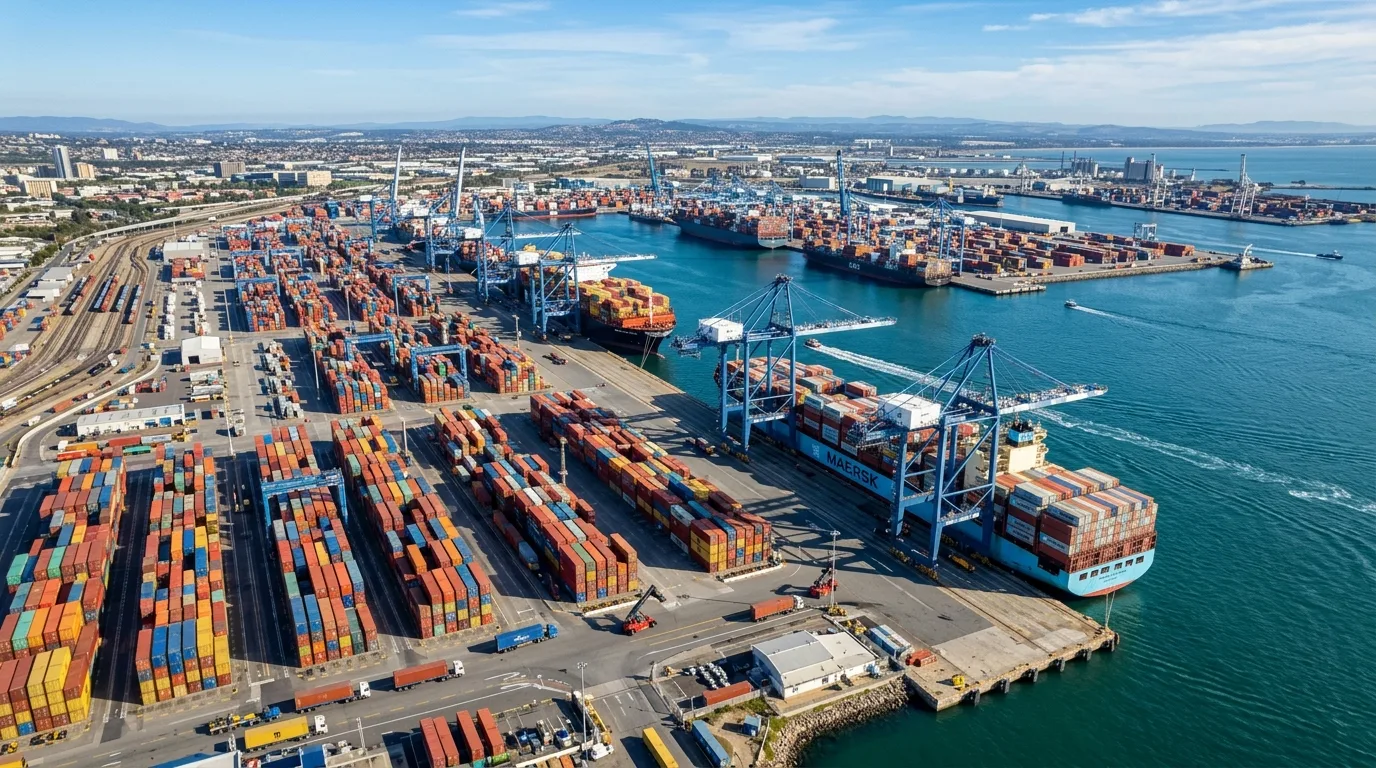
PHILIPPINES — The European Union and the Philippines are poised to conclude negotiations on a free trade agreement, a development that promises to reshape economic ties and create new opportunities for Filipino workers. European Commission President Ursula von der Leyen and President Ferdinand R. Marcos Jr. discussed the progress during a phone call.
A Landmark Trade Deal Takes Shape
The breakthrough comes three years after von der Leyen visited Manila in 2023 to relaunch trade negotiations. Both leaders welcomed the positive outcome and thanked the negotiating teams for their work. The agreement is expected to generate new business opportunities, attract investment, and create jobs across multiple sectors.
Von der Leyen reiterated the EU's commitment to establishing ambitious free trade agreements across Southeast Asia. She noted that the pending deal provides an important signal ahead of the 50th anniversary of EU-ASEAN relations next year. She expects to travel to the Philippines in 2027 to officially sign the document.
What the FTA Means for Filipino Workers
For overseas Filipino workers, the agreement opens doors to smoother pathways for professional mobility. Comprehensive EU trade deals cover trade in services, facilitating recognition of qualifications for healthcare workers, nurses, maritime crew, engineers, and IT specialists seeking employment in EU member states.
The deal also incorporates mandatory labor and human rights standards based on International Labour Organization conventions. This offers stronger safeguards for Filipino workers abroad, ensuring fair treatment and dignified working conditions. The protections extend across all sectors covered by the agreement.
Stronger Protections and New Opportunities at Home
Beyond mobility, the FTA encourages European companies to invest in high-growth Philippine sectors such as renewable energy, digital infrastructure, and manufacturing. These investments create higher-paying local jobs, providing viable alternatives for Filipinos who prefer to work domestically rather than abroad out of economic necessity.
The agreement eliminates tariffs on over 94 percent of goods, giving Philippine agricultural products, electronics, textiles, and processed foods duty-free access to the 27-nation EU market. This export boost strengthens local industries and supports employment across agriculture, logistics, and manufacturing.
A Strategic Partnership for the Future
The FTA represents a shift from temporary trade perks to a permanent, legally binding partnership. The Philippines currently benefits from the EU's Generalised Scheme of Preferences Plus, which is subject to regular reviews. The new agreement makes zero-tariff access stable and predictable.
Von der Leyen also expressed solidarity with the Philippines against aggressive maritime claims and reaffirmed continued regional security support. The deal reinforces EU backing for open sea lanes, digital transformation, and the green energy transition.
