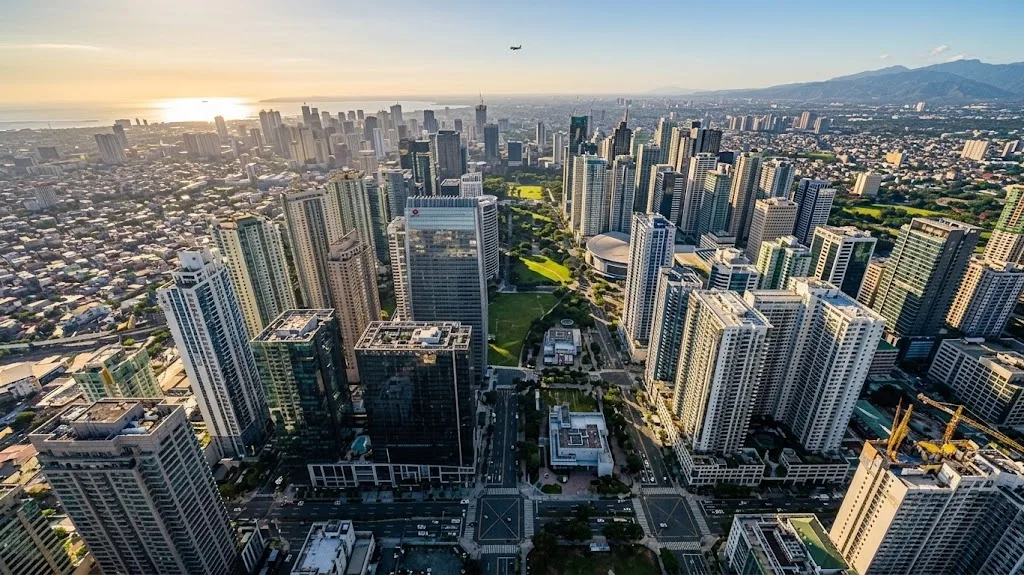
When heavy rain hits Metro Manila, flooding can quickly become a challenge for many communities. Yet in the middle of the bustling metropolis, Bonifacio Global City (BGC) has a reputation for being far less prone to flooding. The reason isn’t simply what you can see above the streets—it is also what lies beneath them.
A Flood-Control System Beneath BGC
One of the key features of BGC’s drainage infrastructure is an underground detention tank beneath Burgos Circle. Designed to manage excess stormwater, the system temporarily stores water collected from streets and drainage channels during heavy rainfall.
Instead of allowing large volumes of water to immediately flow onto roads, the reservoir holds the excess water underground, helping reduce the risk of flooding in surrounding areas.
How Does It Work?
The process is relatively straightforward but highly effective. During heavy showers, stormwater flows through BGC’s drainage system and into the underground reservoir. The detention tank can reportedly hold up to 22 million liters of water, giving the area additional capacity to handle intense rainfall. Once the rain subsides, the stored water is gradually pumped toward Balampisan Creek, which connects to the Pasig River.
This means the system doesn't simply make the water disappear—it temporarily holds and manages the rainfall before releasing it in a controlled manner.
An Engineering Solution Beneath the City
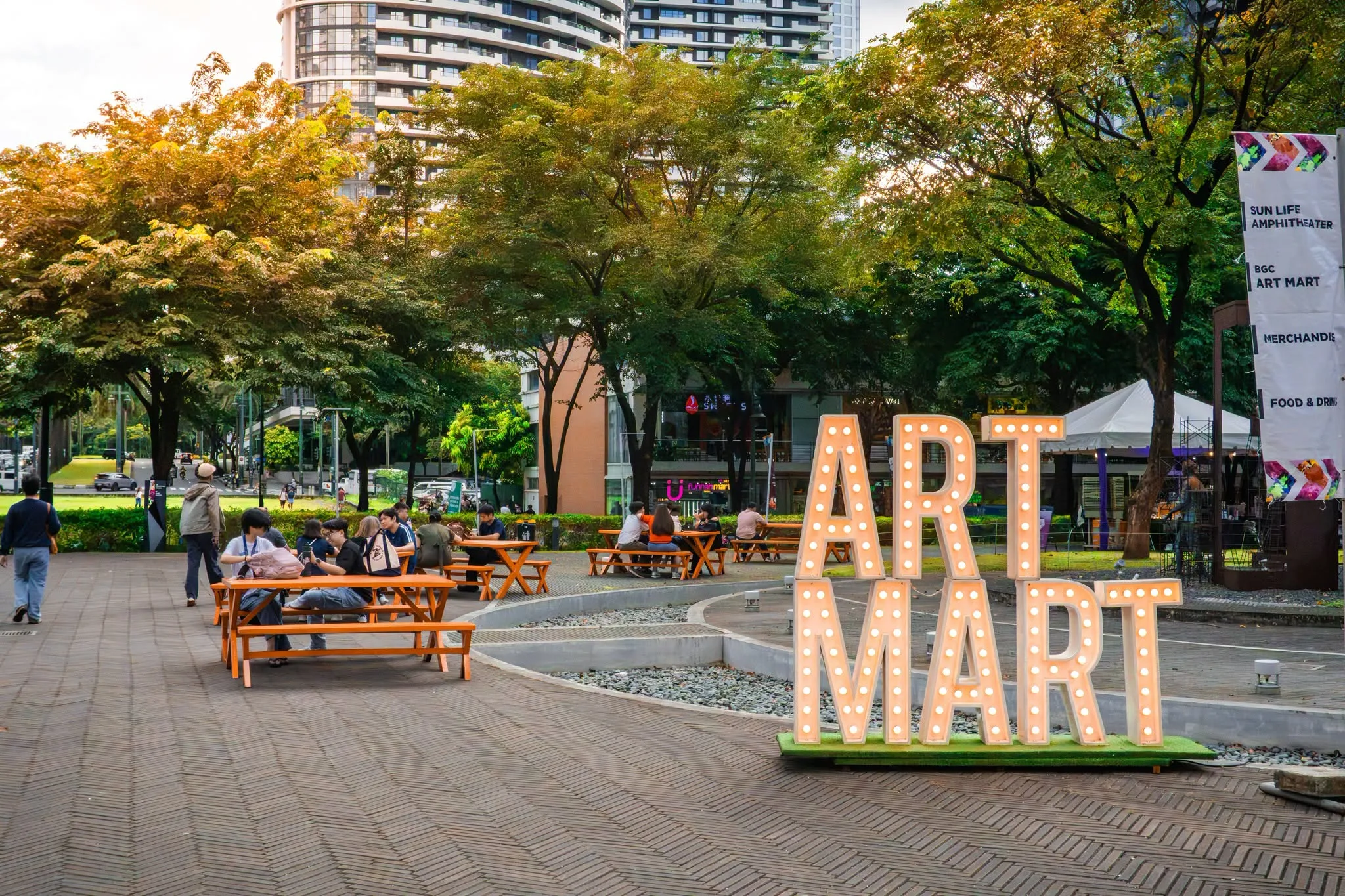
What makes the system particularly interesting is that most people walking around Burgos Circle may never realize that a major piece of flood-control infrastructure is located underneath them. The detention facility was incorporated into BGC's early infrastructure planning, demonstrating how drainage and flood management can be integrated into the development of a modern urban district. The system has also been credited with helping protect BGC and nearby major roads from excessive stormwater during periods of heavy rain.